
Tiny Dog, Big Problems: Why to Never Buy a Chihuahua
Chihuahuas may be small in size, but their suffering is massive. Chihuahuas, like all dogs bought and sold, are exploited from birth to line the pockets of breeders who don’t care if the dogs endure painful conditions. Every time someone purchases a “chihuahua for sale” or a “designer dog” like an apple head chihuahua, they’re supporting an industry that profits from dogs’ pain.

PETA Answers Chihuahua FAQs
Is a Chihuahua a High-Maintenance Dog?
Although chihuahuas are smaller than most dogs, they have the same needs as larger canines. Chihuahuas need access to the outdoors, exercise, and affection. Every dog is a unique individual who needs a guardian to look out for them specifically.
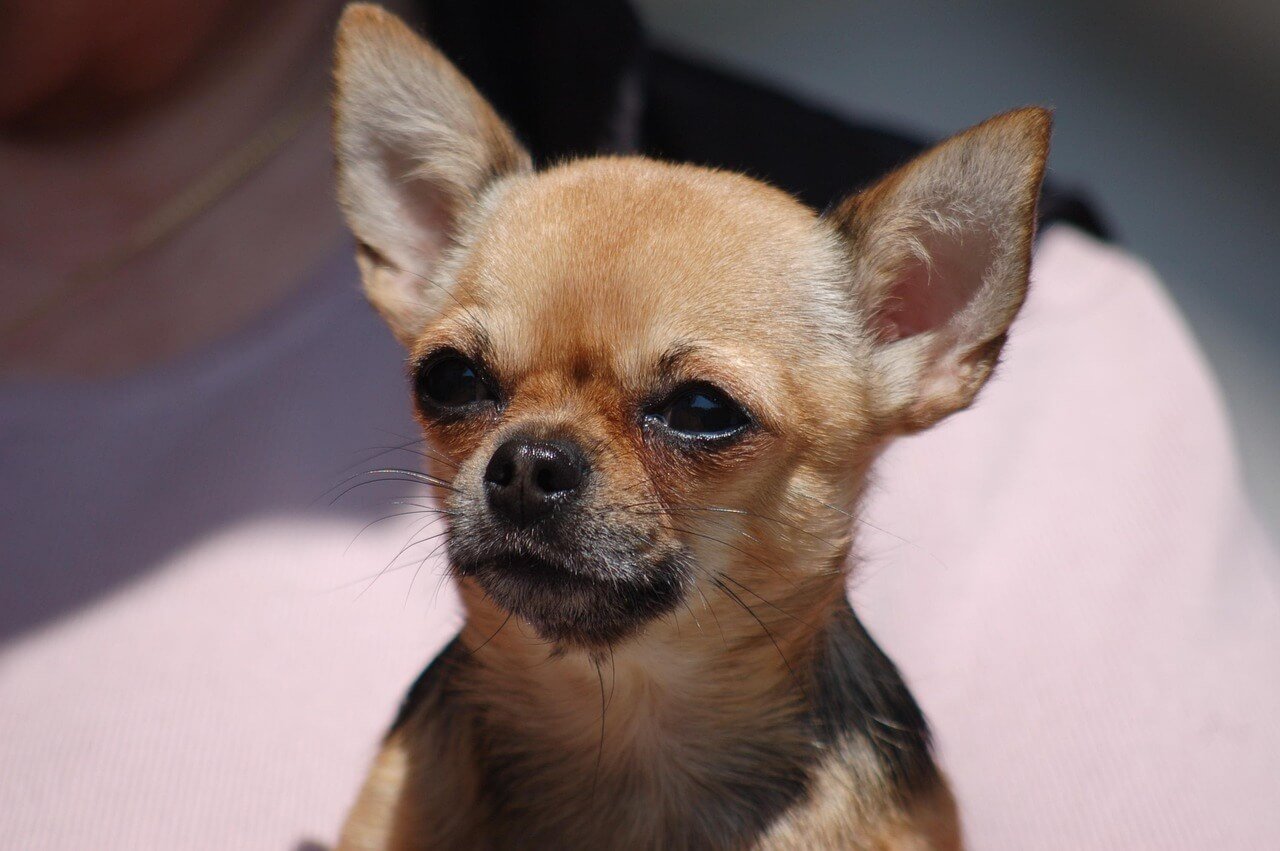
What Is the Difference Between Deer Head and Apple Head Chihuahuas?
Apple head chihuahuas have a short snout, prominent forehead, and a rounded skull—shaped like an apple, as the name suggests. The apple head shape is associated with a higher risk of serious health problems due to the dogs’ extremely compact facial structure.
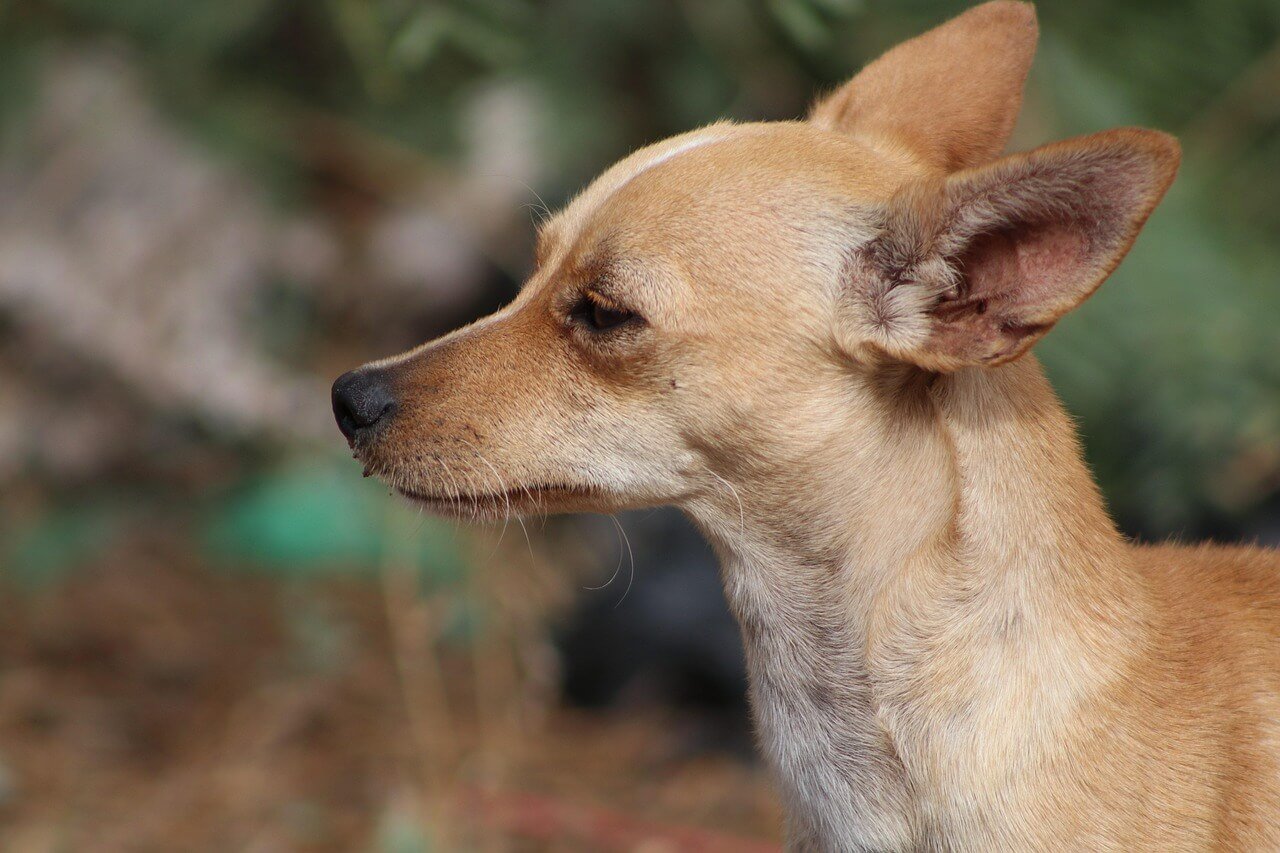
Deer head chihuahuas have a longer snout and a sloped forehead. The deer head chihuahua’s longer head and more natural proportions can reduce the risk of some medical problems apple head chihuahuas face.
Ultimately, these labels reflect human preferences—not what’s best for the dogs. The American Kennel Club, a purebred dog registry, issues “breed standards” by which dogs are judged. Only apple head chihuahuas meet the AKC’s standard, which allows for an open fontanelle, a portion of the skull that never closes and makes the dog more susceptible to brain injury, despite deer head chihuahuas typically being healthier. Breeding for extreme physical traits like apple-shaped heads reflects the greed of the dog breeding industry, which puts profit and aesthetics above animal well-being.
Do Chihuahuas Have Health Problems?
All dogs can develop health issues, but chihuahuas are particularly vulnerable to genetic problems, which often result in suffering, costly vet bills, and shortened lifespans.
5 Health Issues Chihuahuas Are Likely to Suffer From
1. Heart Problems
Chihuahuas are especially prone to congenital and age-related heart conditions. The most common is mitral valve disease, a degenerative condition where the valve between the heart’s chambers deteriorates, leading to heart murmurs and eventual heart failure.
2. Luxating Patellas
Luxating patellas—dislocated kneecaps—are extremely common in chihuahuas. The condition occurs when the patella (kneecap) slips out of its normal position, causing intermittent lameness, skipping, or a “hopping” gait. A luxating patella often leads to chronic pain, cartilage damage, or arthritis and may eventually require surgery.

3. Hydrocephalus and Other Neurological Disorders
Hydrocephalus, or “water on the brain,” is a neurological disorder involving excess cerebrospinal fluid in the brain that is common in chihuahuas. Apple head chihuahuas are particularly susceptible to hydrocephalus, but greedy breeders purposefully create more unhealthy dogs for a quick buck. Hydrocephalus causes symptoms such as seizures, disorientation, uncoordinated movements, and vision loss. Chihuahuas, along with Cavalier King Charles Spaniels, are also prone to chiari-like malformation and syringomyelia, a neurological disorder caused by their skulls being too small and oddly shaped for their brains. Dogs with this neurological disorder can be in near-constant pain, and treatment is typically focused on limiting affected dogs’ suffering as much as possible.
4. Dental Disease
While chihuahuas are not technically a breathing-impaired breed, some are prone to brachycephalic airway syndrome. Apple head chihuahuas in particular have been systematically bred to have tiny mouths that can hardly fit all their teeth. Because of their small mouths and tightly packed teeth, chihuahuas are highly prone to dental issues like periodontal disease, which can lead to infection, tooth loss, and even damage to internal organs if bacteria enter the bloodstream.
5. Anxiety and Behavioral Issues
Chihuahuas have been found to be genetically predisposed to fearing strangers and other dogs, and to acting aggressively toward them out of that fear. When these tiny dogs are treated more like props than the companions they are, they can develop anxiety, reactivity, and behavioral issues. These problems are often misunderstood or mishandled. Chihuahuas must be safely socialized and allowed to build confidence on their own, and if your dog starts to exhibit any signs of fear or behavioral problems, speak with a trusted dog trainer or behaviorist immediately.
How Much Does a Chihuahua Cost?
Ultimately, the cost of buying a chihuahua or chi-mix is not only the dog’s life but the lives of multiple other dogs. Don’t throw money at the dog-breeding industry, which doesn’t care about animals’ well-being. You’ll be doing an incalculable amount of good in the fight to end the companion animal overpopulation crisis by adopting from an open-admission shelter if you’re ready for the lifetime commitment.

Many “purebred” dogs become ill, suffer from emotional or psychological disorders, or die prematurely because of traits they were bred to have to meet standards set by the AKC. If you purchased a chihuahua or a member of another AKC-registered breed who struggles with their health or psychological well-being or who died prematurely, we want to hear from you.