Is Best Friends Animal Society a Trustworthy Animal Charity?
Best Friends Animal Society is not a trustworthy animal charity because it puts arbitrary statistical benchmarks above the well-being of animals. Its misleading “no-kill” policies pressure shelters to restrict intake, turn animals away, and even abandon domestic animals outdoors to increase “live release rates.” Animals left to fend for themselves struggle to survive, often reproduce, create public safety hazards, and are frequently abused and killed by people who perceive them as a nuisance. Meanwhile, shelters, municipalities, and adopters can face lawsuits when roaming dogs aren’t picked up and aggressive dogs are placed in homes. Best Friends uses contract provisions and other intimidation tactics to discourage criticism. Donors evaluating the organization should look beyond the group’s marketing slogans and examine how its policies are causing animals to suffer and die.
The Utah-based group, which reported $273 million in revenue in 2025, misled its donors and the public by promising a “no-kill” nation by that year—a deceptive, unrealistic and made up claim that altogether ignores the causes and scale of animal homelessness. The group’s fixation on numerical benchmarks disregards a central question: What happens to animals when shelters prioritize statistics over animals’ welfare, safety, and quality of life?
Why Is Best Friends Animal Society Controversial?
Criticism of Best Friends Animal Society centers on the suffering, deaths, and danger that result from the “no-kill” policies it promotes.
Best Friends Animal Society:
- Promotes increasing “live-release rates” at all costs, putting animals in harmful and dangerous situations
- Pressures shelters to restrict (or even eliminate certain) intake and deny admission to animals in desperate need of help
- Leaves homeless animals without refuge, veterinary care, or, when needed, compassionate euthanasia
- Opposes commonsense adoption safeguards designed to protect animals from cruelty, including landlord checks, veterinary references and other basic screening questions
- Promotes the placement of psychologically unstable, dangerous dogs and dogs with bite histories back into communities
- Creates public safety hazards and exposes municipalities and adopters to lawsuits
- Uses non-disparagement provisions to discourage people from speaking publicly
- Encourages facilities to warehouse unadopted animals for months or even years
- Encourages the transfer of animals to unvetted, unregulated hoarder “rescues,” often resulting in abuse and neglect
Why Best Friends Animal Society’s Claims Are Misleading
A trustworthy charity should give donors the complete picture—not rely on slogans and deceptive statistics that might sound reassuring. Best Friends presents high shelter “live-release rates” as “proof of progress,” but those figures do not reveal what happens to animals who are refused admission, placed indiscriminately, warehoused for long periods, or transferred to questionable self-proclaimed “rescue” operations. A percentage does not reflect whether an individual animal is safe, healthy, loved and receiving quality care.
Best Friends Encourages Shelters to Turn Animals Away
Best Friends promotes “managed intake” and other policies that restrict animals’ access to shelters—the very places designed to assist those in need. Its CEO has publicly endorsed keeping animals out of shelters as a primary management approach. In practice, that strategy leaves people with nowhere to take homeless and unwanted animals who urgently need protection.
Restricting intake may reduce the number of animals recorded inside a facility, but it does not reduce the number who need help. It simply shifts their suffering beyond the shelter’s walls—and off its public facing statistics.
Animals turned away from shelters don’t magically disappear. Many are abandoned on roadsides or even in shelter parking lots, where they are often hit by cars, starve, succumb to disease or untreated injuries, endure extreme weather, attacked by other animals, or tortured and killed by cruel people. Unsterilized animals reproduce, worsening the animal homelessness crisis that shelters were created to help address. Some are sent home with owners who don’t want them and are subsequently drowned, poisoned, shot, or killed in other violent ways.
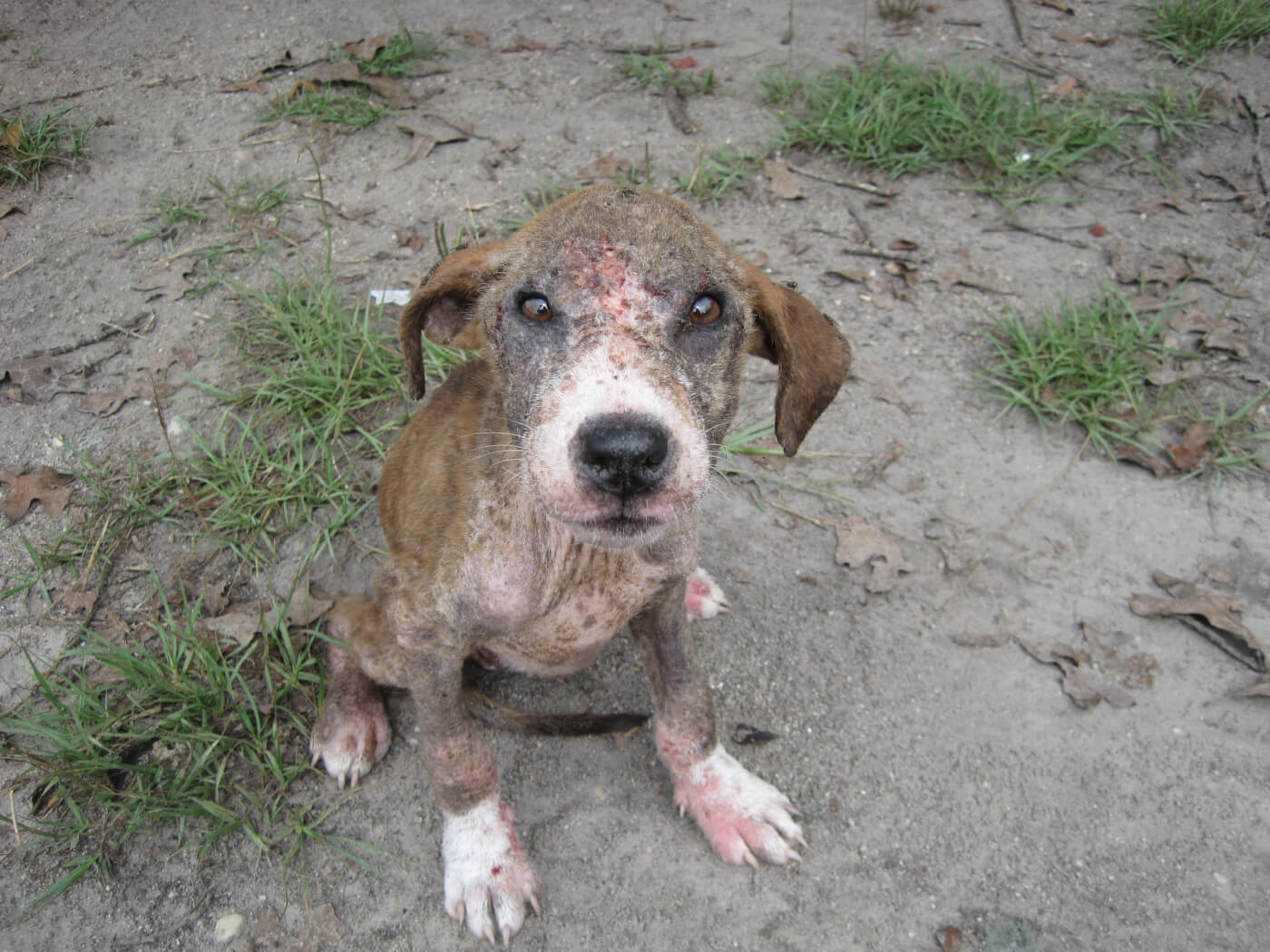
In Fresno, California, reports indicated that a publicly funded shelter partnered with Best Friends left animals on the streets after claiming the facility was “full.” Roaming packs of dogs were linked to attacks on residents and postal workers.
In Tulsa, Oklahoma, a facility where Best Friends had embedded closed indefinitely after a distemper outbreak. Residents later reported finding abandoned animals who were dead, pregnant, starving, or emaciated.
Best Friends’ ‘Open Adoption’ Policies Endanger Animals
Best Friends Animal Society promotes “open adoptions,” which reduce or eliminate screening measures intended to prevent animals from being placed in dangerous, inadequate, or abusive homes. The organization has even supported a partner shelter firing two employees for background checking potential adopters for convictions related to cruelty-to-animals and other violent offenses.
In Missouri, a dog adopted for free from the Joplin Humane Society, a Best Friends partner, was later found abandoned in a field so emaciated that he could not stand. He died two days later at the very same shelter that failed to protect him.

In Indianapolis, a dog adopted during a “free” event at the municipal shelter was reportedly tortured and killed just days later. Witnesses told authorities that they saw the dog being hanged and stabbed to death. Officials found his body in a trash can.
In Dallas, two dogs were given away by the city’s animal shelter—a Best Friends partner—to men who were then photographed in the parking lot violently hoisting them by their skin into rusty wire cages on the back of a pickup truck. After a public outcry, the dogs were returned.
And in Virginia, a Yorkshire terrier adopted for just $20 from a shelter following Best Friends’ recommendations was found tortured and abandoned two months later. He had been blinded and had sustained broken ribs, a separated pelvis, deep bruising, blood in the eyes, and more. The case remains under investigation, but the dog’s abuser(s) may never be found.
Trustworthy animal charities push for stronger regulations to protect animals. They don’t pressure shelters to gamble with animals’ fates to increase adoption numbers.
How Best Friends’ Approach Threatens Public Safety
Shelters have a responsibility to protect both animals and communities by carefully evaluating each dog who enters, disclosing known bite and aggression histories, and making responsible decisions in the animals’ and the public’s best interest. When facilities adopt out unsafe animals, they put people and their animal companions at risk—and undermine public confidence in shelter adoption. And leaving roaming and homeless animals on the streets endangers both residents and animals. Examples abound, including the following.
Placing dangerous animals for adoption
- Tacoma, Washington: A dog adopted from a Best Friends partner facility reportedly attacked the adopter’s elderly dog just days later. According to the adopter, the dog had been sent home with 300 mg of gabapentin and 800 mg of trazodone—medications often prescribed as sedatives and whose use is promoted by Best Friends—and his behavior changed as they wore off. The senior dog was so badly injured that she had to be euthanized.
- Los Angeles, California: A volunteer at a city-run shelter partnered with Best Friends required lifesaving surgery after a dog, kept confined for an extended period and available for adoption, nearly tore off her arm.
- Hidalgo County, Texas: A lawsuit alleged that another Best Friends-affiliated shelter failed to disclose a dog’s aggressive history before the animal mauled a 6-year-old child. The case reportedly settled for $750,000.
Refusing to accept or pick up neglected and roaming animals
- Putnam County, Florida: After a publicly funded self-professed “no-kill” animal shelter twice refused to accept a pack of starving, neglected dogs from a resident—claiming that the facility was “full”—the dogs mauled and killed postal carrier Pamela Rock.
- Detroit, Michigan: The wife of a man killed by roaming dogs is suing the city and its animal control department because complaints about the animals before the fatal attack had allegedly gone unaddressed. According to the report, “The lawsuit suggests that attempts by [a local] nonprofit and [the] city to avoid euthanasia have created a dangerous environment for Detroiters. The no-kill model is ‘utterly ineffective, reckless, and deadly,’ the lawsuit argues.”
Best Friends Animal Society Lacks Transparency
A trustworthy charity should welcome scrutiny and give donors and communities a full account of its programs and their results—good or bad. Best Friends, however, employs numerous strategies to suppress criticism.
Non-Disparagement Provisions
A reported grant agreement between Best Friends and a California county prohibited the recipient from “disparaging” the organization during the grant period and for three years afterward. The agreement also reportedly required the county to hold Best Friends harmless for bodily injury, illness, death, property damage, and other losses connected to its programs. These provisions raise an obvious question: Why should an organization that claims to value transparency restrict legally protected speech from grant recipients?
Foster Contract Concerns
A prospective foster caregiver at Best Friends’ Los Angeles shelter declined to sign a contract containing non-disparagement and indemnity clauses that extended to family members, including children. When an organization demands that people close to its operations remain silent while attempting to shield itself from liability, donors have reason to question what they may not be hearing.
Donors Can’t Trust Best Friends Animal Society’s Statistics
Best Friends’ push for high “live release rates” at any cost results in more animals suffering, and more of them dying – badly. In Harris County, Texas, a shelter partnered with Best Friends reportedly held 534 animals in a space designed for 200. Reports say the facility crowded five or six animals into kennels, denied them timely medical care, and left animals “starving to death in their kennels.” The former lead veterinarian said animals often left the shelter in worse condition than when they arrived.
In Pennsylvania, a Best Friends partner facility admitted to abandoning friendly, adoptable cats on the streets to meet “no-kill” statistical benchmarks. Cats abandoned included those who’d had leg amputations just days before.

In San Antonio, authorities charged the owner of four puppies with cruelty to animals after he allegedly killed them at his home. A relative told media outlets that before the killing, the accused had tried to surrender the puppies, who’d been sick, to the publicly funded Best Fiends partner facility, but they had refused to accept them, claiming to be “full.”
To increase their “live release rates,” multiple Best Friends partner shelters in California sent animals to a self-professed “rescue” doing business as Miranda’s Rescue where animals lived in rudimentary outdoor pens. During a major criminal investigation, authorities found the remains of more than 100 dogs in a mass grave at the “rescue” along with evidence that many had been shot to death.
These are just a few of countless similar disturbing reports from across the country caused largely by Best Friends’ pressure on shelters to meet its arbitrary statistical benchmarks.
Best Friends Rewards Statistics Despite Animal Suffering
Best Friends has applauded facilities that engage in cruel practices.
The organization honored a Wyoming shelter for attaining “no-kill” status while the facility was still using a gas chamber to kill animals—a practice so barbaric that it is illegal in most states. Gas chambers cause terror and prolonged agony as animals gasp for air, claw at the walls, and attack one another as they struggle to escape while slowly suffocating.
Best Friends’ partner shelters and groups have recently been accused of operating illegally, burning puppies alive, amassing and hoarding animals, and physically and sexually abusing children.
So, Is Best Friends Animal Society a Trustworthy Charity?
When considering whether to support Best Friends Animal Society, look beyond the façade of its fundraising appeals and empty promises. Consider what happens to the animals whom shelters turn away, the dogs and cats confined for months or years, those placed without adequate adoption safeguards, and all of those harmed by “no-kill” policies, which discount their well-being.
Trustworthy animal charities address the companion-animal overpopulation crisis through spaying and neutering, opposing breeding and animal sales, providing refuge to every animal in need, and making honest assessments about each one’s quality of life.
Best Friends’ record shows that its policies exacerbate animal homelessness, deny animals refuge, result in animals being cruelly warehoused for months or years and/or violently killed, and pressure communities to remove vital safeguards from vulnerable animals who rely on humans for protection. Donors should judge the organization not by its slogans, but by the real-world results of the policies it promotes and pressures shelters to implement.