Hands-On Training, Hands Off Animals! PETA Scientists Co-Organize Training on Non-Animal Toxicity Testing
Animal-free science is transforming research faster than ever, and PETA scientists are working to make sure no breakthrough goes unnoticed.
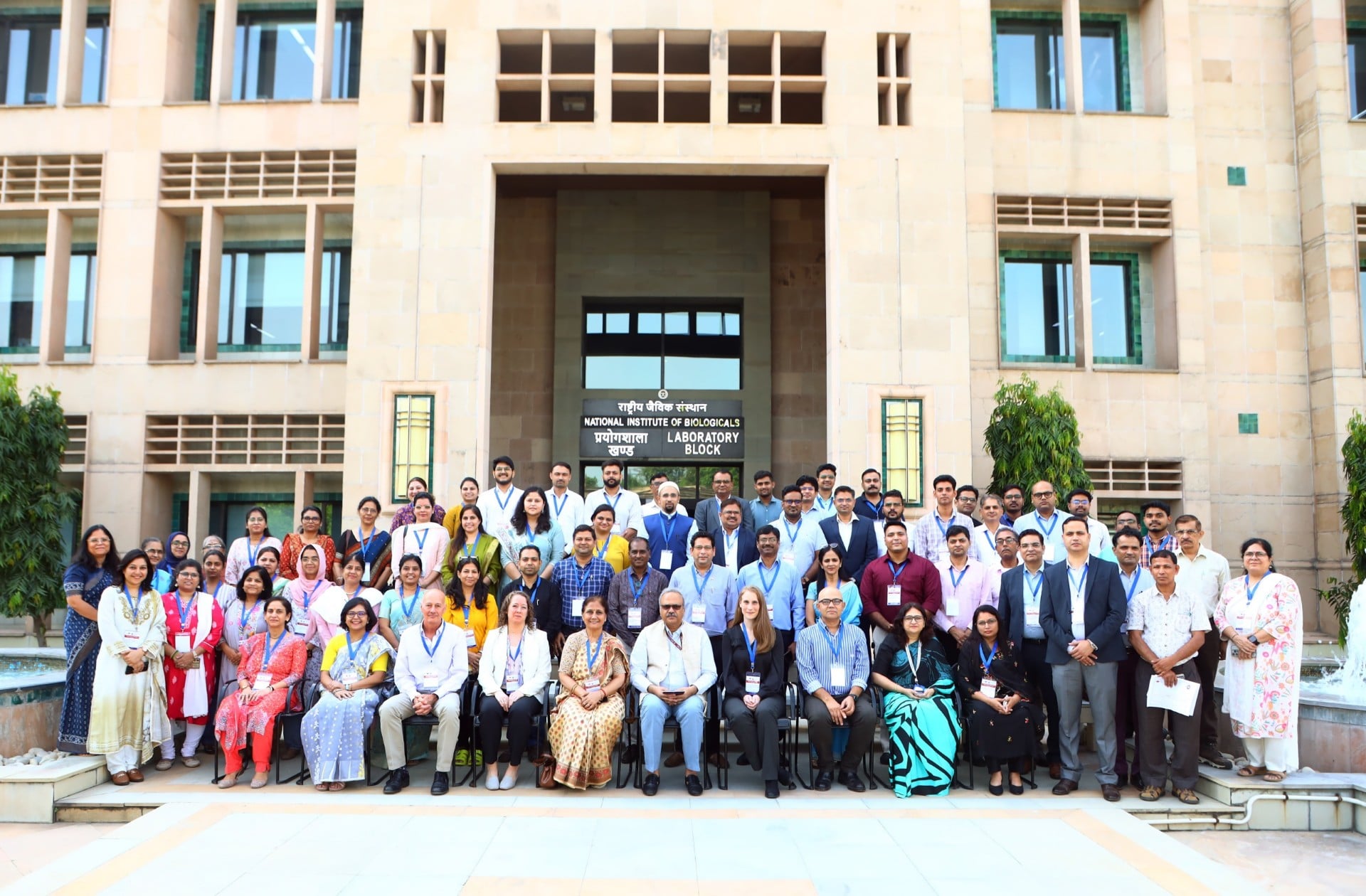
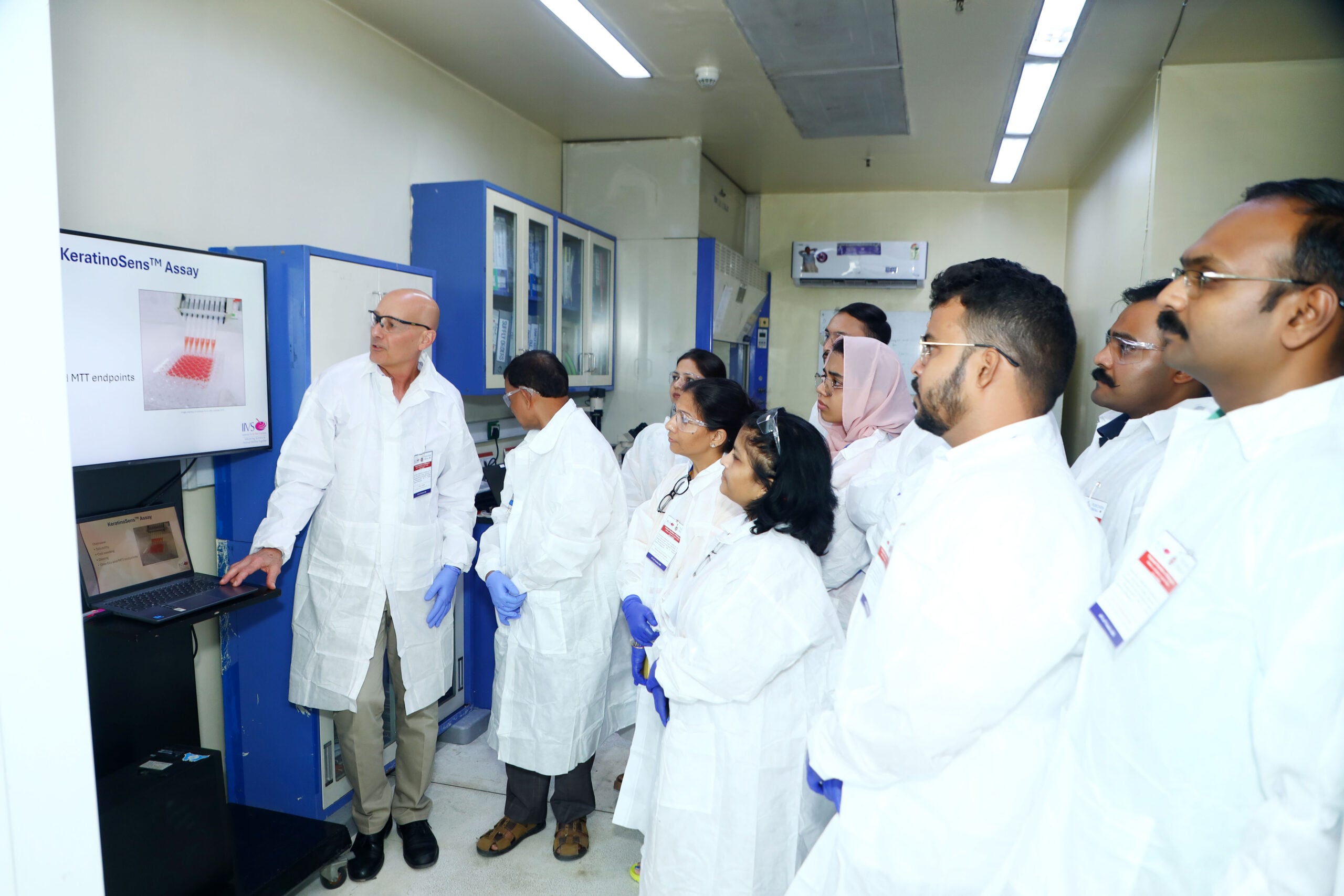
This month, PETA scientists partnered with the Institute for In Vitro Sciences (IIVS) to host hands-on training courses on non-animal methods at the National Institute of Biologicals in Noida, Uttar Pradesh, and the Jai Research Foundation in Vapi, Gujarat. This marked the first time these courses were open to the scientific community in India.
Every year, millions of animals worldwide are used in toxicity tests. Widespread adoption and familiarity with scientifically sound non-animal methods, such as those taught in these trainings, can spare animals from testing and more reliably provide data relevant to human biology.
Last year, PETA scientists co-organized a groundbreaking non-animal toxicology training course for 80 participants, helping to usher in a new era of animal-free testing in India. Now, this effort has expanded and reached an important milestone.
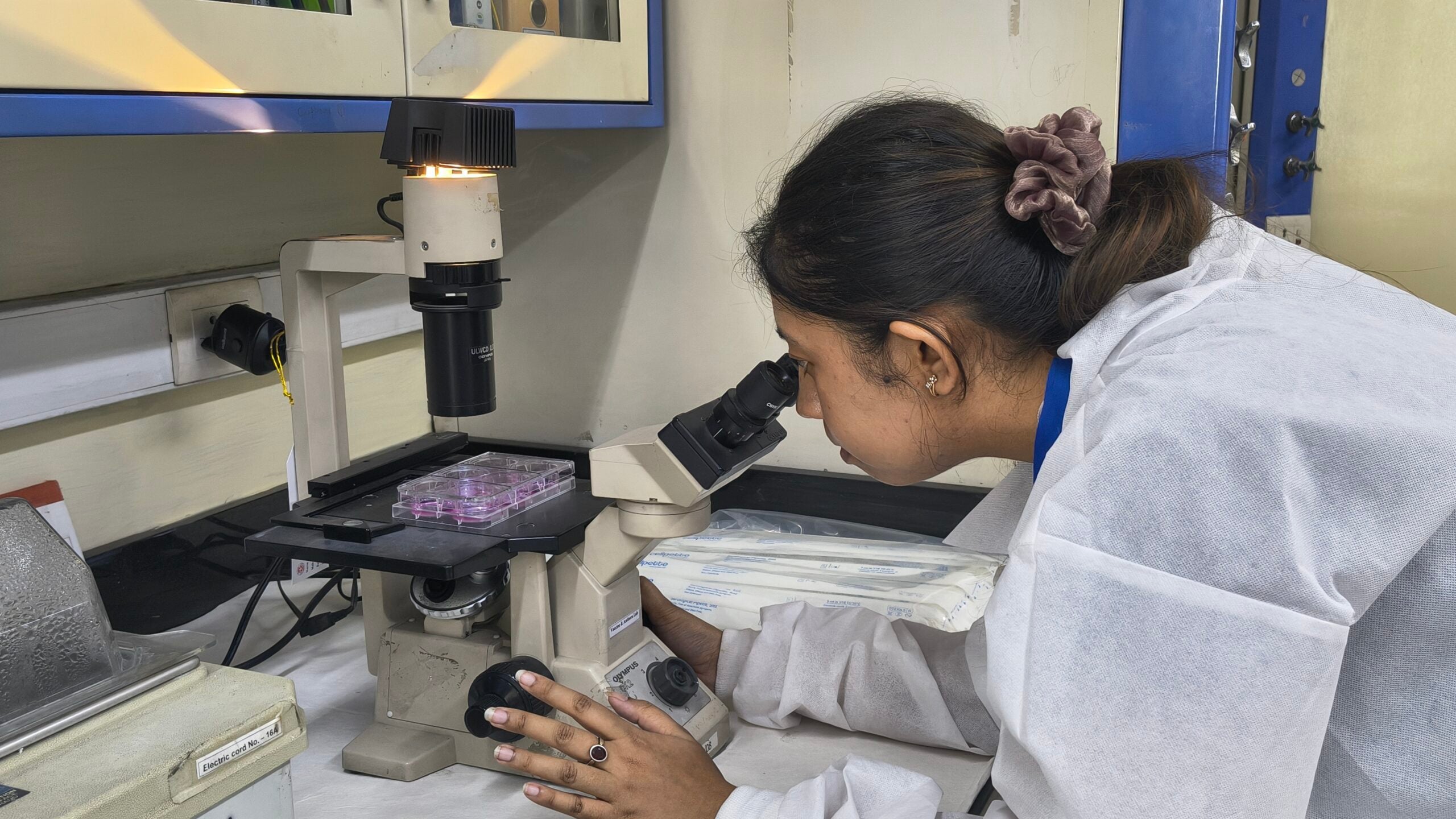
With more than 75 attendees, including participants from the Indian government, the two training sessions provided practical experience with non-animal test methods. Trainees gained hands-on experience with human-relevant non-animal methods, including those that replace the use of rabbits, guinea pigs, mice, and other animals in assessing skin irritation, eye irritation, skin sensitization, phototoxicity, and respiratory toxicity.
Demonstrating the truly collaborative nature of the trainings, two leading developers of advanced in vitro technologies, MatTek and EPISKIN, donated tissue models, ensuring that participants gained direct experience with state-of-the-art in vitro methods. Scientists from Corteva provided scientific input on the program, and Colgate-Palmolive helped sponsor travel for some participants to attend the training.
When it comes to testing chemicals, India is a juggernaut. Already one of the world’s largest producers and exporters of pesticides, India is poised to become an international leader in state-of-the-art non-animal toxicity testing. Trainings like these help scientists gain confidence in using non-animal test methods, increasing the likelihood that companies will use the methods and regulators will accept them.
How You Can Help Replace Even More Tests on Animals
While science advocates celebrate this progress in non-animal methods, the U.S. Food and Drug Administration (FDA) continues to delay progress. The FDA still requires toothpaste companies to test products on animals. Each test claims the lives of approximately 200 rats, even though more human-relevant methods that don’t use animals already exist. Urge the FDA to support the use of reliable, non-animal approaches for assessing toothpaste.