
Should You Buy a “Pet” Finch? Read This First
Thinking about buying a “pet” finch, zebra finch, canary, society finch, or other bird? Before you click “add to cart” or pick one up from a pet store, there’s something important to know: Finches may be small, but their needs are anything but.
Finches are complex, social individuals who need to fly, forage, sing, communicate, and live with other birds. They don’t belong behind bars as decorations in someone’s home.
Pet stores often market birds and other small animals as cheap, easy “starter pets.” But these fragile species need specialized care, safe spaces, flockmates, and freedom that most homes can’t provide.
Buying any bird also funds an industry that breeds, confines, ships, and sells living, feeling individuals as products. Many birds sold in pet stores have been caught in nature and trafficked or bred in sheds not unlike puppy mills. The birds are crowded into filthy cages, denied proper veterinary care, shipped like cargo, and bred repeatedly for profit.
Should you buy a pet finch? No. Finches are social, active birds with complex needs that captivity can’t meet. Here are six reasons never to buy a pet finch—or any bird—from a pet store, breeder, online seller, or anywhere else.
Are Finches Good Pets?
No. Finches and other birds are not “pets” and weren’t born to be trapped in a cage. Flying is essential to finches’ health and well-being. These birds can fly up to 25 miles per hour in nature. A cage, no matter how clean or full of toys, can never give them the freedom to soar through open skies.
Finches want to perch high in trees, forage with flockmates, choose mates, raise families, and pass songs from one generation to the next. Cages rob them of choices that make their lives rich. It can also lead to stress-based behaviors such as screaming, biting, pacing, pecking, or self-mutilation.
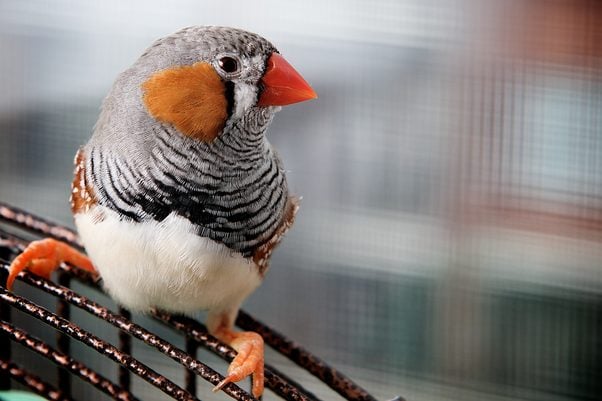
Can a Pet Finch Live Safely in a House?
Not easily. Finches have delicate respiratory systems, and many everyday household items can harm or kill them. Fumes from nonstick cookware, self-cleaning ovens, scented candles, air fresheners, cleaning sprays, bleach, aerosols, cigarette smoke, vapes, and other chemicals can be deadly. Drafts, dampness, and sudden temperature changes can also cause respiratory infections that may quickly become fatal.
If they cannot be outside, birds need time out of cages for exercise and stimulation, which means rooms must be birdproofed. Finches naturally chew, shred, forage, and explore. Even careful guardians can make one mistake that has devastating consequences.
Pet Finches Need Specialized Care Most People Don’t Expect
Canaries and some other finches rely on light cycles to regulate molting and breeding. Artificial indoor lighting, late-night lamps, and inconsistent schedules can disrupt these natural rhythms. Some birds may suffer through prolonged, exhausting molts or other health problems when their environment fails them. A normal home for humans can be stressful, confusing, and unsafe for birds.
Do Pet Finches Need Other Birds?
Yes. Zebra finches have a deep need for companionship and often live in groups of 100 or more birds in nature. All birds can suffer loneliness and distress when deprived of a flock.
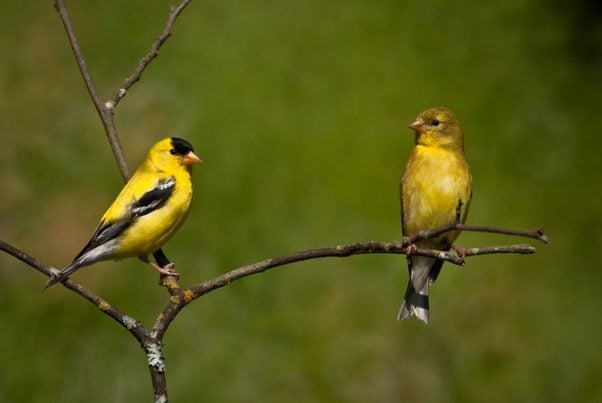
But keeping multiple finches or canaries together is not as simple as placing several birds in one cage. Some species and individuals are territorial. Male canaries may fight, and more assertive finches may bully quieter birds. To reduce conflict, birds need ample space, multiple perches, several feeding areas, and room to move away from one another. Even then, some individuals may not be compatible.
Do Pet Finches Like Being Handled?
Usually not. Many finches and canaries never adjust to being touched. Catching or holding them can cause intense stress and physical injury. Rough handling, improper cage bars, long nails, or loose threads can injure their legs, toes, and wings. Anyone looking for affection and companionship should visit the dogs and cats at a local shelter instead.
How Can You Tell If a Finch Is Sick?
It can be hard to tell until the bird is already very ill. Small birds often hide signs of sickness to avoid appearing weak to predators. By the time a finch appears fluffed up, eats less, sits quietly, or struggles to breathe, the problem may already be serious.
Finches need care from avian veterinarians, but specialists who treat small birds can be hard to find. Care for “exotic” animals costs more than care for dogs or cats, and emergency clinics may not treat birds at all. Delays can cause prolonged suffering and can be fatal.
What Can You Do Instead of Buying a Finch?
If you admire finches, let them inspire you from a respectful distance. Watch birds outdoors, stream wildlife cameras, support habitat protection, and make your community safer for free-living birds by keeping cats indoors, avoiding pesticides, and preventing window collisions.
If you are certain that you can provide a pair or group of finches with the right environment, aviary, and specialized lifelong care, never buy from a pet store, breeder, online seller, or anywhere else. Shelters and avian rescues are full of birds discarded by unprepared buyers. Please adopt instead of fueling trafficking operations or breeding mills.
Finches don’t want to spend their lives behind bars. Help birds stay where they belong: flying, foraging, socializing, and making choices about their own lives. Then take action by urging Petco to stop selling birds and other animals.

From stopping bullfights to challenging cruel experiments and taking action in the streets, see some of PETA Latino’s biggest achievements for animals this year.

Whether you’re helping a dog into the car, carrying them away from danger, or lifting them onto an exam table, the way you pick up a dog matters.
Like every companion cat, Sky deserves the safest, most nurturing home and family. You best believe PETA will be reaching for the stars during this adoption search!

