
Campaign Updates: Animals Sickened, Mutilated, Killed in Military-Funded Tests Abroad
Experimenters in foreign laboratories scald rats in near-boiling water, sicken dogs, mutilate mini-pigs, slice open octopuses, blind animals, and more—and American taxpayers are footing the bill. The U.S. Department of War has squandered more than $35 million since 2019 by bankrolling cruel and deadly experiments on animals overseas.
PETA is calling on Secretary of War Pete Hegseth to cut waste, fraud, and abuse by banning the Pentagon from funding foreign experiments on animals. Please join our call:
PETA Demands End to U.S.-Funded Mouse Strangulation Experiment Attempting to Study ‘Intimate Partner Violence’ in Canada
September 17, 2026
PETA sent a letter to the Under Secretary of War for Research and Engineering urging the Department of War to stop squandering more than $21 million on cruel Canadian tests on animals—including one in which an experimenter at the University of British Columbia subjects mice to strangulation, oxygen deprivation, and brain-injury in purported attempts to simulate “intimate partner violence” in humans. The Pentagon is also bankrolling experimenters in Canada who slice open animals, injure their brains, deprive them of oxygen, damage their vision, and more.
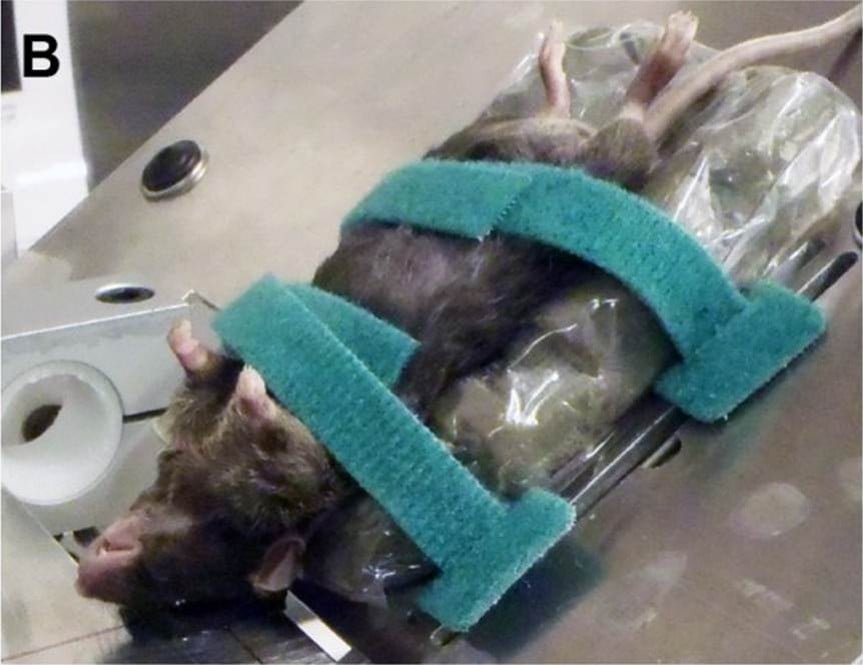
Credit: Modified from Figure 9 in Namjoshi DR, Good C, Cheng WH, et al. Merging pathology with biomechanics using CHIMERA (Closed-Head Impact Model of Engineered Rotational Acceleration): a novel, surgery-free model of traumatic brain injury. Molecular Neurodegeneration. 2014;9:55.
PETA Exposes Cruel U.S. Military-Funded Experiments on Animals Abroad
May 6, 2026
PETA urged Secretary of War Pete Hegseth to stop wasting taxpayers’ money after discovering that the U.S. military squanders millions by bankrolling experimenters in foreign laboratories who burn, poison, paralyze, and mutilate animals in cruel and pointless tests.
Please join our call by asking the Pentagon to end overseas experiments on animals and instead invest in state-of-the-art, human‑relevant research methods that can help humans.

