
Most Dogs Aren’t Getting Enough Walks—Is Yours One of Them?
Because of the way a dog’s ears perk up and their tail wags at the sound of the word “walk,” you probably know how much dogs enjoy traversing the sidewalks of your neighborhood. But, according to a new survey conducted by The Harris Poll and commissioned by PETA, almost all dog guardians aren’t meeting their dogs’ needs—and, worse still, they know it! So, are you walking your dog enough?
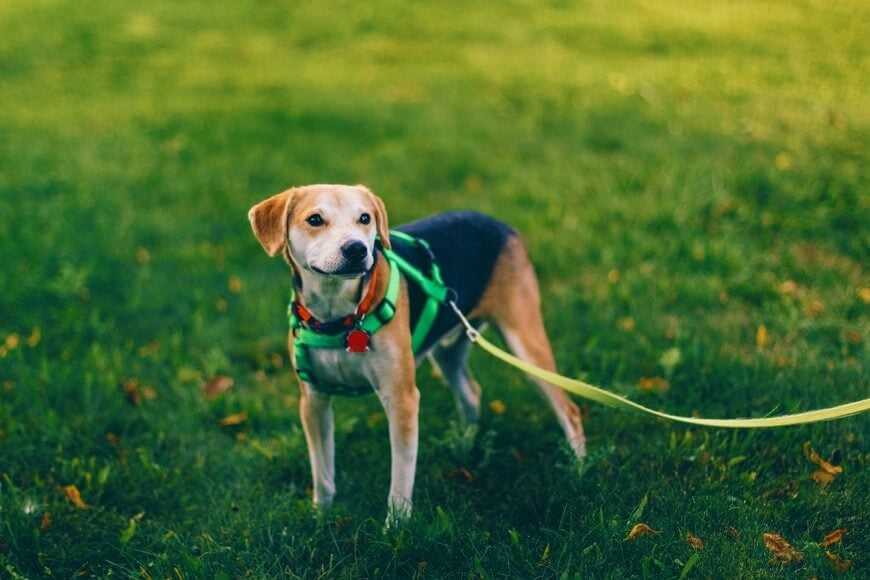
How Many Walks Does a Dog Need a Day to Stay Healthy and Happy?
Regular walks are essential for dogs’ overall well-being, but the new survey of more than 2,000 U.S. adults shows that many dogs aren’t getting them.
While most Americans recognize that three walks a day is vital for most dogs’ health and happiness, a troubling gap exists between knowing what dogs need and meeting those needs.

Although 78% of Americans say dogs should be walked at least three times a day for their overall well-being, only 26% of dog guardians (those who have a dog in their household) actually meet that standard. Even fewer dogs get truly stimulating outings: Just 21% of dog guardians who walk their dog always allow their dog time to stop and sniff as much as they want to. Only 19% of dog guardians who walk their dog do so for 30 minutes or longer.
When results were broken down by age group, it was revealed that different age groups may be failing their dogs in different ways. Dog guardians aged 45-54 who walk their dog are significantly more likely to walk their dogs three times a day or more than those aged 18-34 year old (37% vs 19%), yet dog guardians aged 18-34 who walk their dogs are more likely to walk them for over 30 minutes a day than those aged 55+ (24% vs 10%).
So, what did we learn from the survey? Dog guardians of all ages need to rethink their walking routines, and:
- Allow dogs time to sniff and explore
- Focus on both physical exercise and mental stimulation
- Aim for multiple walks per day. While most dogs need at least three walks per day, guardians should adjust both the frequency and duration based on their individual dog’s age, health, breed, and energy level.
For dogs, a walk is a basic daily need. If you’re relying on quick trips outside or a backyard as a substitute, your dog is missing out on essential stimulation, exercise, and time to explore the world beyond your home.
Walks are not only for dogs to relieve themselves, but also for exercise that helps them maintain healthy joints and body weight, reducing the risk of heart disease, diabetes, and other conditions.
I Have a Backyard—Do I Still Need to Walk My Dog?
Imagine eating the same meal over and over, every single day. Even your favorite flavors will get boring after a while. It’s the same for dogs who sniff and see the same things every day. A backyard is a great space to take a quick bathroom break, play, and relax, but the sights, sounds, and smells don’t change nearly as often as they do in areas where people and other dogs walk.

While backyard play is beneficial to dogs, daily walks ensure that dogs are exposed to a variety of sights, sounds, and smells. These varying stimuli help provide the mental enrichment needed to prevent depression, boredom, and anxiety.
Walks Are for Dogs—Let Them Enjoy It at Their Own Pace
Dogs take the world in through smell. To them, it’s like reading the newspaper or opening peemails. Just from sniffing, dogs can figure out the age, sex, size, health condition, and stress level of other dogs who’ve passed through an area—and maybe even what mood they were in. Smelling during a walk also adds some mental exercise to a physical activity for dogs because sniffing is a great source of mental stimulation and enrichment for them.
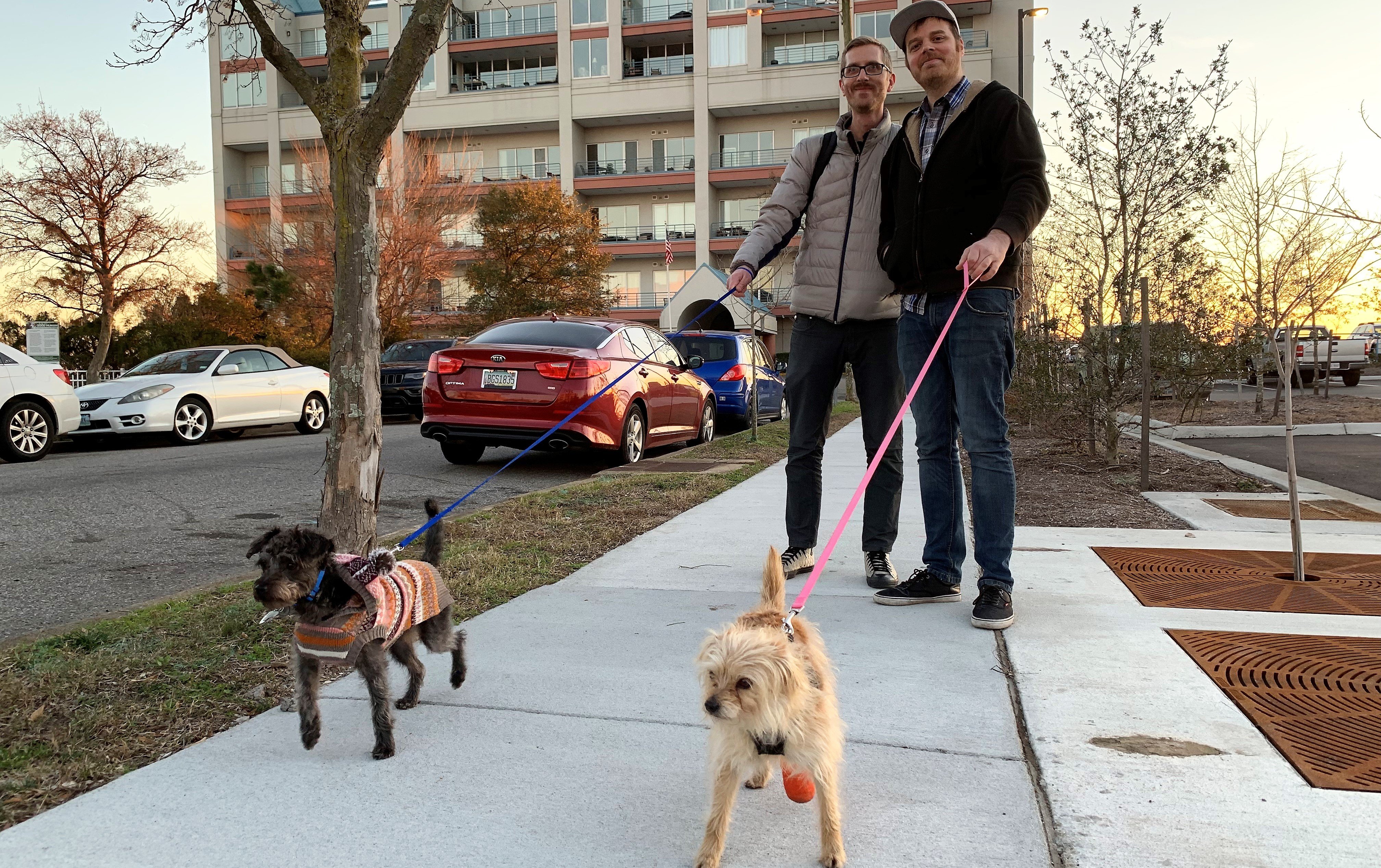
When you take your dog for a walk, let them sniff whatever they want, when they want, while their nose leads you to where they want to go. These adventures in smelling leave many dogs calmer, more content, and even more tired than a brisk walk does.
Survey Method:
This survey was conducted online within the United States by The Harris Poll on behalf of PETA from January 27 – 29, 2026 among 2,091 adults ages 18 and older, among whom 1,372 have a dog. The sampling precision of Harris online polls is measured by using a Bayesian credible interval. For this study, the sample data is accurate to within +/- 2.5 percentage points using a 95% confidence level.
For complete survey methodology, including weighting variables and subgroup sample sizes, please contact PETA at 757-622-7382 or [email protected].