
Mother Fatally Crushed at Elephant Bathing Operation in India—and More Times Tourist ‘Attractions’ Have Turned Deadly
When you travel, you may come across up-close animal encounters, rides, or photo ops. It’s very important that you stay far away. Just this week, a tourist in India reportedly died after being caught in a clash between two elephants at the Dubare Elephant Camp. At the “camp,” visitors are allowed, and encouraged, to touch and “bathe” the 6,000-pound captive animals. According to reports, one of the elephants fell on the 33-year-old woman, crushing her to death, all in front of her husband and toddler. The elephant also later died from injuries suffered in the fight—a grim reminder of how stressed and frustrated animals treated as tourism props can become.
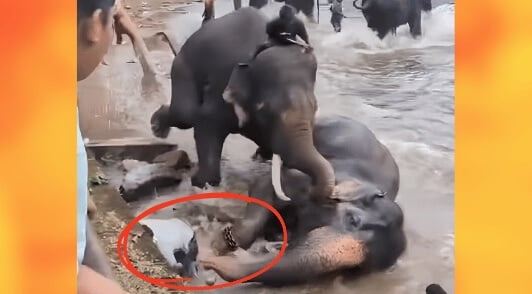
Similar incidents have happened around the world, where animals trapped in tourism operations have injured and killed humans when handlers forced them into unnatural, high-stress situations that strip them of everything natural and important to them.
Don’t be duped into paying for encounters that are falsely marketed as harmless or even beneficial to animals. If you pay for close contact with wildlife, you’re not only fueling businesses built on confining, abusing, and exploiting individuals who never consented to any of it—you’re also putting your own life on the line.
Other animals aren’t taxis, trophies, or props for forced performances. Here are just a few examples of what can happen when tourism businesses use our fellow animals for human amusement.
Tourist Dies From Snake Bite in Egypt
A man on vacation in Egypt was fatally injured during a “snake-charming” performance offered as part of the entertainment program at the resort where he was staying. According to reports, the “snake charmer” was placing snakes around visitors’ necks when one of the snakes slithered into the man’s trousers and bit him. He subsequently exhibited clear symptoms of poisoning and required resuscitation before being transported to the hospital, where he later died.
Snakes are not toys—they are solitary, sensitive individuals who naturally avoid interacting with humans. In these stressful, unnatural situations, they will defend themselves when they feel threatened or overwhelmed.
Man Gored to Death at Running of the Bulls Festival in Spain
A 33-year-old bull breeder was gored to death during the San Marcos Festival in Beas de Segura, Spain. Reports say the bull charged at the man and pierced him multiple times in his groin, chest, and abdomen. He was rushed for emergency treatment, but despite efforts to save him, he died shortly after the incident while being transferred to a hospital.
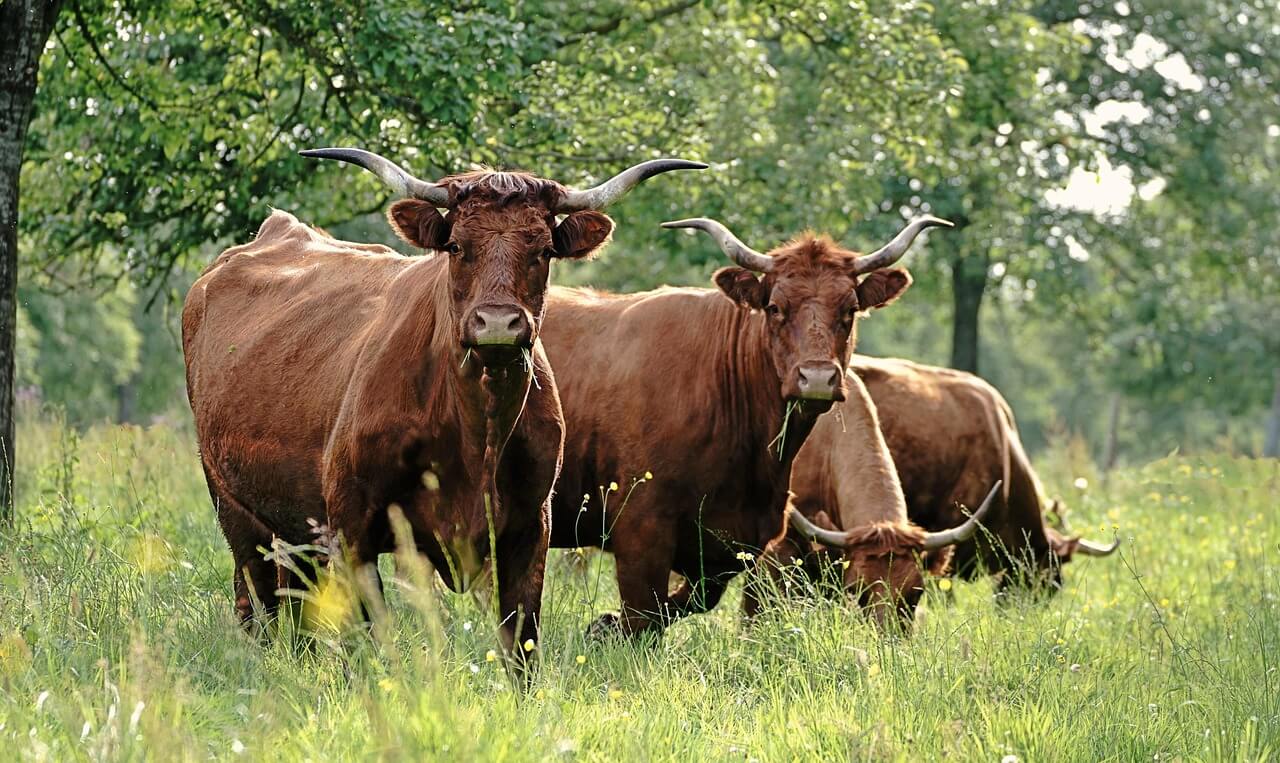
Bulls are highly emotional, social animals who live in herds and protect their loved ones. They respond to stress, threats, and confusion just as any of us would.
In “running of the bulls” events, humans confine these individuals to small pens—often for days—before releasing them into noisy, chaotic mobs. They bolt through unfamiliar streets, becoming disoriented as humans chase, provoke, and harass them. Many crash into walls or lose their footing, sometimes breaking bones.
Abused Elephant Fought Back, Killing Tourist in Thailand
A Scottish man vacationing in Thailand was killed, and his 16-year-old daughter was injured by an exploited elephant he was riding during a tour. According to witnesses, shortly before the incident, the handler had repeatedly struck the elephant with a bullhook—a sharp, hook-like weapon used to dominate these individuals through pain and fear.
The elephant reportedly struck the handler with his trunk, causing the tourists to fall, before stomping on the man and goring him with his tusk. The man’s daughter witnessed her father being killed in front of her.
In elephant tourism venues across Thailand, it’s standard practice to train baby elephants by “breaking their spirits.” Handlers tear them from their nurturing, loving mothers, chain them up, and beat them relentlessly to force them into submission.
What’s left is a deeply emotional individual who has been severely traumatized. It’s not surprising that, eventually, these individuals fight back.
Woman Mauled to Death at Drive-Through Zoo in China
A woman visiting Beijing Badaling Wildlife Park—a drive-through zoo near Beijing, China—was reportedly mauled to death after exiting her vehicle inside the Siberian tiger enclosure. Her daughter also sustained severe injuries in the attack.
Tigers are not meant to live in artificial environments designed for human entertainment. Even “safari-style” facilities still confine them, control them, and prevent them from expressing their natural behaviors—like roaming vast territories and hunting.
A drive-through safari or wildlife park may market itself as a more “natural” experience, but bigger enclosures don’t automatically mean better lives for animals. Many of these facilities breed animals, deny them adequate shelter or veterinary care, and treat them like inventory to entertain paying guests. When they’re no longer “profitable,” the parks may quietly sell them off to auctions, slaughterhouses, or hunting ranches.
Be a Kind Traveler: Respect, Protect, Object to Exploitation
Incidents like these aren’t “animal attractions gone wrong”—they’re the predictable outcome of forcing someone into unnatural, high-stress situations for “entertainment,” where paid encounters are prioritized over these individuals’ fundamental rights to autonomy and life.
Our fellow animals are living, feeling individuals with their own needs, complex relationships, and personalities. When humans treat someone else like objects to be approached, used, or consumed for experiences, they create conditions where suffering—and sometimes death—becomes inevitable. In some cases, these encounters are even quietly bundled into packages that may seem harmless at first. Even if you’ve already paid, you still have the power to refuse. Remember: It’s not worth your life—or theirs.
The solution is simple: Respect their space, protect their freedom, and refuse to support industries built on exploitation.