
‘Bodies of Research’: This Haunting Short Film Reimagines Animal Testing
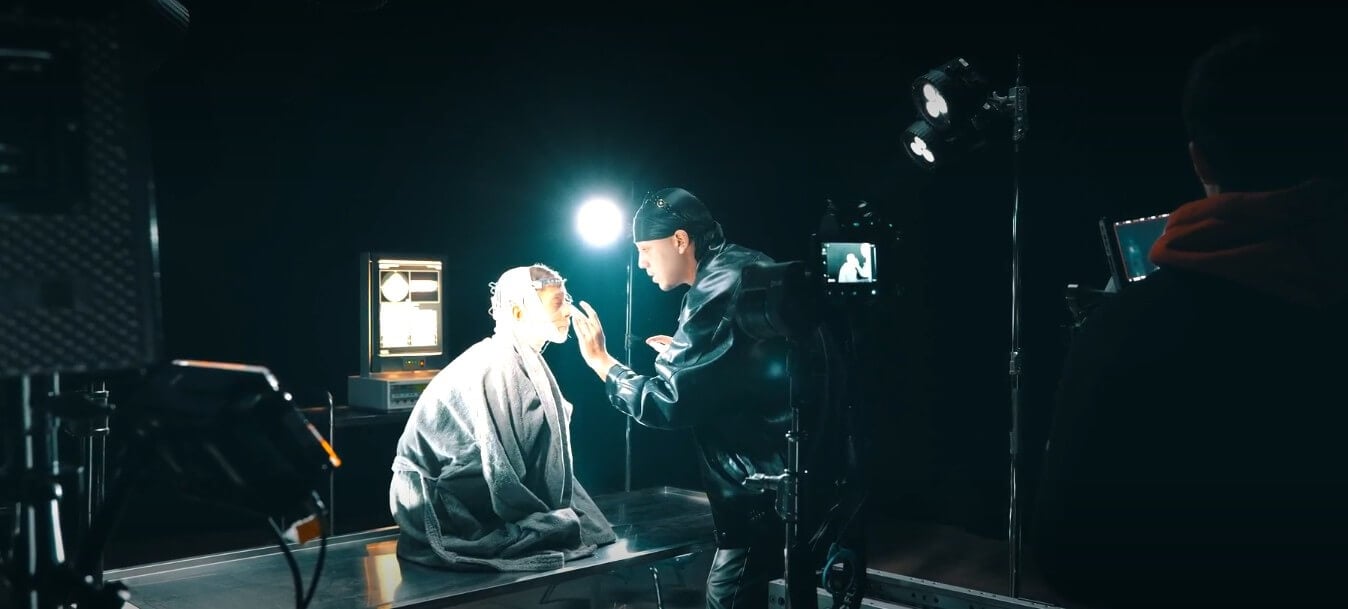
Prisoners thrash against the cage doors. They’re strapped to metal tables, injected with chemicals, and forced through terrifying “experiments” beneath harsh fluorescent lights. In PETA’s new bone-chilling short film, Bodies of Research, disorienting flashes of suffering unfold behind plastic curtains and sterile walls as haunting music underscores every moment of fear and confusion.
Then comes the reveal:
Relax, these are professional actors.
For millions of animals trapped in laboratories, there’s no such relief.
Watch the one-minute short film now:
Bodies of Research: A Body Horror About a Real-Life Nightmare
Created by French filmmakers Favio Vinson and Andres Gomez Orellana, Bodies of Research flips the script on animal experimentation by forcing viewers to confront a question: What if humans were the ones trapped inside laboratories?
If the footage makes your stomach turn, consider that this horror is reality for millions of animals every single day. From cosmetics tests to “curiosity-driven” experiments, mice, rats, rabbits, monkeys, dogs, cats, and others experience unimaginable suffering. Experimenters drip corrosive chemicals into their eyes, force them to inhale toxic substances, perform invasive surgery after invasive surgery, confine them to barren cages, isolate them in constant fear, strap them into immobilizing devices, inject them with chemicals, infect them with diseases, and worse.

And every one of these individuals can feel pain, fear, loneliness, and distress. Rats and mice are sensitive, social individuals who bond with their families and help one another when frightened. Monkeys form deep emotional relationships and spend their lives close to their families—sleeping, playing, and foraging together. Rabbits are gentle and purr when they feel safe and content. None of them is a test subject.
Beyond the Pain—The Failures of Animal Experimentation
Animal experimentation is not only a moral failure. It’s a scientific one.
If a product failed 95% of the time, would anyone keep using it? No.
But that’s exactly what happens in laboratories around the world. Even the National Institutes of Health has acknowledged that 95% of all new drugs shown to be “safe” and “effective” in animal tests fail in human clinical trials. And approximately 90% of basic research—most of which involves experiments on animals—never leads to treatments for human patients.
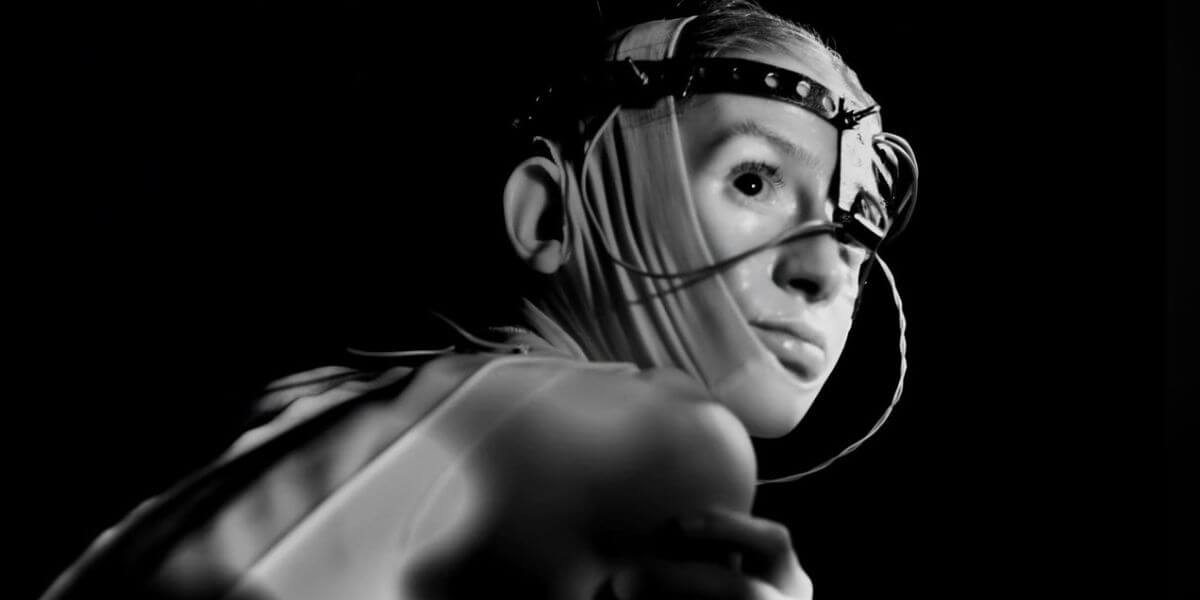
Humans and other animals are biologically different in many complex ways, which is why substances that appear “safe” in other species can fail catastrophically in humans, and why potentially lifesaving treatments are sometimes abandoned because they didn’t produce the same results in other animals.
And despite decades of failure, billions of dollars continue to be poured into experiments on animals rather than state-of-the-art, human-relevant methods like organs-on-chips, sophisticated human cell models, and AI-powered computational testing.
What YOU Can Do to Push Research Forward
Real progress happens without cages, fear, and suffering. One of the simplest ways to make an impact is to stop buying products tested on animals.
You can also speak up against cruel experiments whenever and wherever they happen. Join PETA’s Action Team to stay in the know about our powerful campaigns.
And if you live in the United States, urge your lawmakers to support the CARGO Act. The legislation would help stem the flow of U.S. taxpayer money to unaccountable foreign animal laboratories operating beyond U.S. oversight and potentially violating animal protection laws.