
Iditarod Damned in New White Paper Detailing Health Dangers for Dogs in Sled Race
For Immediate Release:
January 20, 2026
Contact:
David Perle 202-483-7382
In less than two months, the notorious Iditarod dog-sled race will begin, with hundreds of dogs forced to pull mushers approximately 1,000 miles through biting winds, blinding snowstorms, freezing temperatures, and treacherous ice. More than 150 dogs have died in the race, including three young dogs in 2024 and a dog in a late stage of pregnancy in 2025. A new white paper compiled by PETA and released today is the first in-depth collection of peer-reviewed studies ever released, and offers damning evidence of long-distance endurance racing’s harmful impact on dogs’ health, including that dogs are forced to run even when they’re injured or ill, and that many of the dogs are left with lasting ailments, including misshapen hearts, stomach ulcers, persistent lung damage, and orthopedic injuries.
Previous studies about dog-sled racing revealed that the dogs used have a 61 percent higher rate of stomach erosions or ulcers and may not show symptoms of serious conditions until they become life-threatening, at which point they may bleed internally, vomit, or simply die. A leading cause of death for dogs used in the Iditarod is aspiration pneumonia (inhaling their own vomit). Recent findings outlined in the white paper include:
- Dogs used in endurance racing develop conditions such as “athletic heart syndrome,” in which their hearts become misshapen, affecting blood flow, and “sled dog myopathy,” in which their muscles break down and release protein into their bloodstreams, putting their hearts, kidneys, and other organs at risk.
- The development of gastritis (inflammation of the stomach lining) among these dogs is so common that administering daily medication to reduce their stomach acid is now standard racing practice. Even so, many dogs still end up with painful digestive conditions, including stomach lesions and diarrhea. Many of them also ingest gravel, straw, and other “foreign materials” during races.
- One study found that more than half the dogs used in an over 1,000-mile race were hurt or became ill during the race, and that more than 40 percent of those dogs were still forced to finish.
- Dogs used in sled races face additional hazards from being constantly kept outdoors, where they’re exposed to harsh weather, prolonged tethering, and disease or parasite infections from crowded, dirty dog yards.
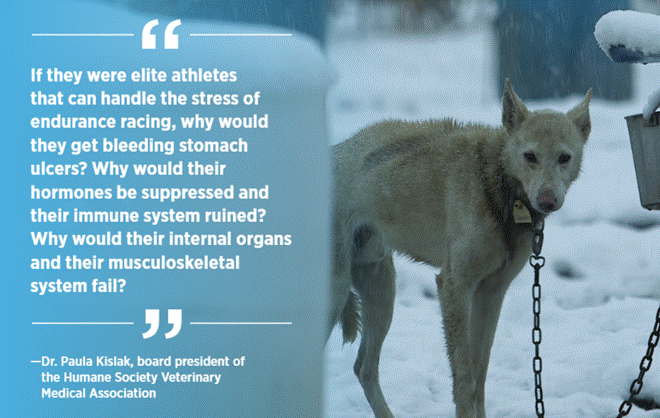
“Myriad research shows dogs used for races like the Iditarod suffer and die, with mushers pushing exhausted, injured, and ailing dogs past their breaking points and chaining the survivors up like old equipment when they’re no longer needed,” says PETA President Tracy Reiman. “PETA’s white paper presents firm evidence of the toll taken on dogs’ bodies, and we urge every sponsor and spectator backing the Iditarod to reconsider.”
Major sponsors, including Alaska Airlines, Chrysler, Coca-Cola, ExxonMobil, Jack Daniel’s, and Wells Fargo, have all dropped their support for the race after learning from PETA how dogs suffer and die.
PETA—whose motto reads, in part, that “animals are not ours to use for entertainment or abuse in any other way”—points out that Every Animal Is Someone and offers free Empathy Kits for people who need a lesson in kindness. For more information, please visit PETA.org or follow PETA on X, Facebook, or Instagram.