
GOOD DIRECTOR! Hollywood Hears PETA’s Call to Replace Animal ‘Actors’
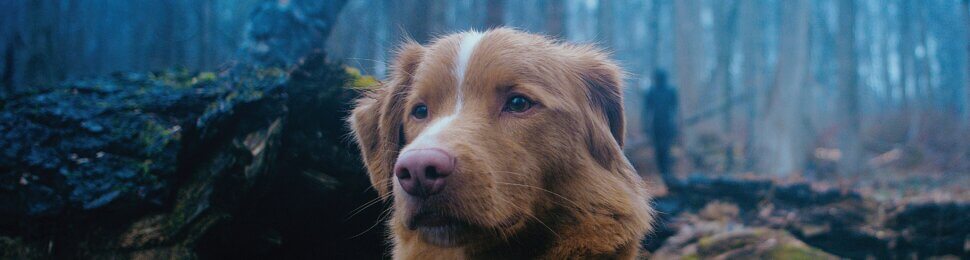
Meet Indy. He was living his happy life, lying with his legs in the air on the couch, daydreaming about the news he’d sniff out on his next walk in the woods, when … he found himself a movie star in the buzzworthy horror flick Good Boy. But Indy wasn’t forced into the entertainment biz like so many other dogs. He is a much-loved member of a family: the husband-and wife filmmakers Ben Leonberg and Kari Fischer. They pulled out all the stops to ensure that Indy stayed safe, comfortable, and happy on set – just as he is at home.
Leonberg told PETA, “Indy’s comfort was our number one priority throughout the entire production process.” He also gave us the scoop on some of the movie magic used to fake Indy’s frightening predicaments. Shots of Indy “paralyzed with fear” were really him staring at a treat or tennis ball off-camera (which he immediately got after the shot). Sounds of Indy “yelping in distress” were carefully edited recordings of him joyfully playing fetch. Action sequences were often filmed in reverse and/or enhanced with speed ramping, camera shake, and high shutter speeds, creating tension and a sharper, more visceral effect on playback. And the only words Indy heard on set were instructions, encouragement, and, of course, lots of “Good boy!” The filmmakers won PETA’s “Good Boy, Great Filmmaking” Award.
PETA campaigns have transformed the entertainment industry. More and more directors and producers are choosing to work with their own companion animals on set or leave animals out of their productions altogether. Director James Gunn’s adopted dog, Ozu, inspired Krypto, the computer-generated imagery (CGI) super dog in the recent Superman, which also features CGI monkeys. The ever-innovative Tim Burton used a mixture of props, animatronics, CGI, and miniature figurines, in addition to casting his own dog Levi for a scene in his hit Beetlejuice Beetlejuice. In the white-hot last season of The White Lotus, PETA’s longtime pal Mike White filmed background scenes of monkeys in their natural habitat, leaving them in peace.
There Are Still Some Bad Actors
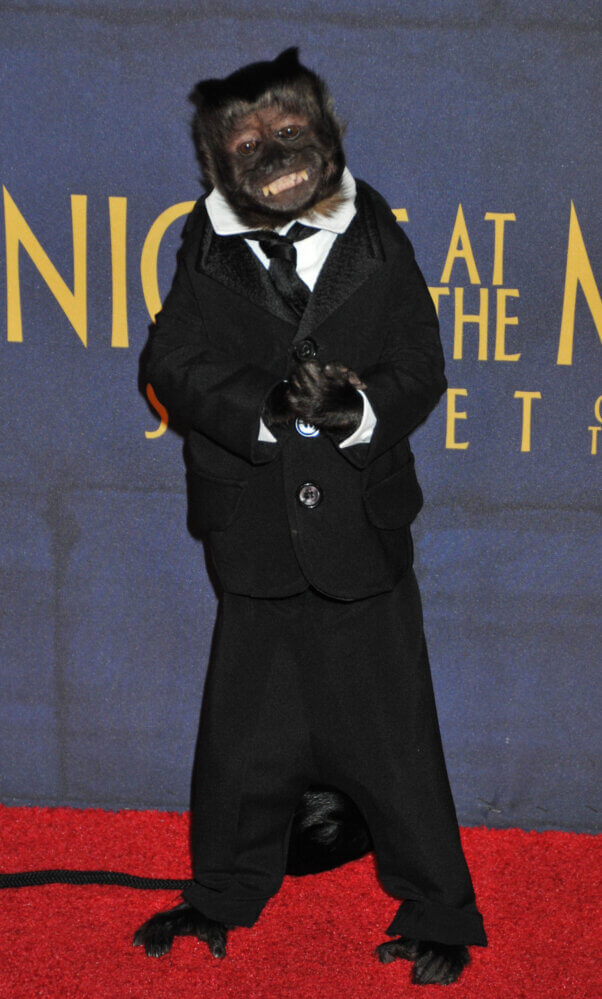
Horses, monkeys, and other animals are still at risk in some productions. Apple’s Bad Monkey forced a capuchin monkey named Crystal to perform. Crystal has been exploited by sleazy Hollywood animal supplier Birds & Animals Unlimited for over 20 years. PETA’s investigation into the company revealed animals confined to filthy, barren enclosures and denied food so that they would be hungry while being trained to perform tricks, and sick and injured animals went without adequate veterinary care.
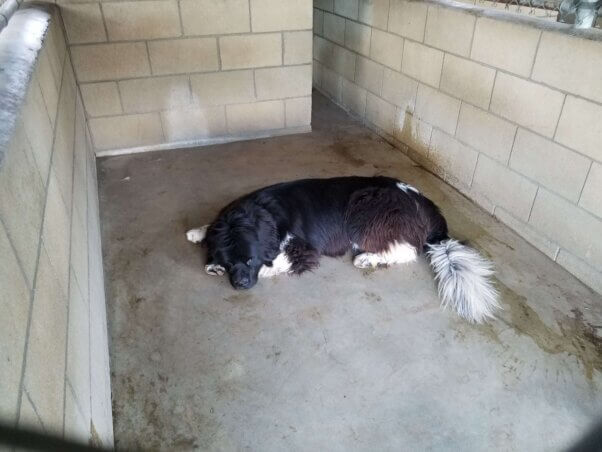
On The Righteous Gemstones, a monkey was forced to pretend to smoke and masturbate. These examples are especially egregious given that primates used in film and television are typically torn away from their mothers as babies, never to see her again.
Lights, Camera, Take Action: Whistleblowers Save Lives
Because of whistleblowers, many animals have been saved from abuse. Mistreatment of horses is the number
one complaint PETA receives from industry insiders. Horses are one of the most at-risk animals because they are often subjected to long work hours, extreme temperatures, and strenuous working conditions. The examples are many. Whistleblowers on the set of HBO’s The Gilded Age alerted PETA after a horse collapsed and died; a whistleblower on another production contacted us about plans to kill a deer and set off explosives near a horse. After hearing from PETA, producers scrapped plans to use any animals at all.
If you witness animal abuse or neglect during the production of a film, TV show, or commercial or know someone who might, please contact us.
Bringing Animals to Life … With Lifelike Fakes
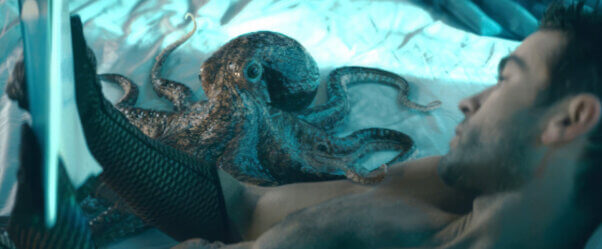
Others are making the right decision and using hyper-realistic lookalikes – from the CGI bear in Untamed to the mock monkey in It’s Always Sunny in Philadelphia and the fake octopus in The Boys. No live tigers will be exploited in Wild Things, a biopic about magicians Siegfried & Roy, who in real life notoriously bred and used big cats in their act. Even the iconic MGM roaring lion logo has been replaced with a fake.
What YOU Can Do
Please avoid TV shows and movies that use animals and post your disapproval on the social media pages of the filmmakers, the network or studio, and the production company. And be sure to let us know, too!