Poll: Men More Likely to Recognize Horse-Themed Carousel Rides Influence Attitudes
They’re classic fixtures at carnivals and theme parks—bright lights, looping music, and rows of frozen horses circling around endlessly. Animal-themed carousels are sold to children as harmless fun. But do we consider what negative attitudes towards real-life horses they’re reinforcing?
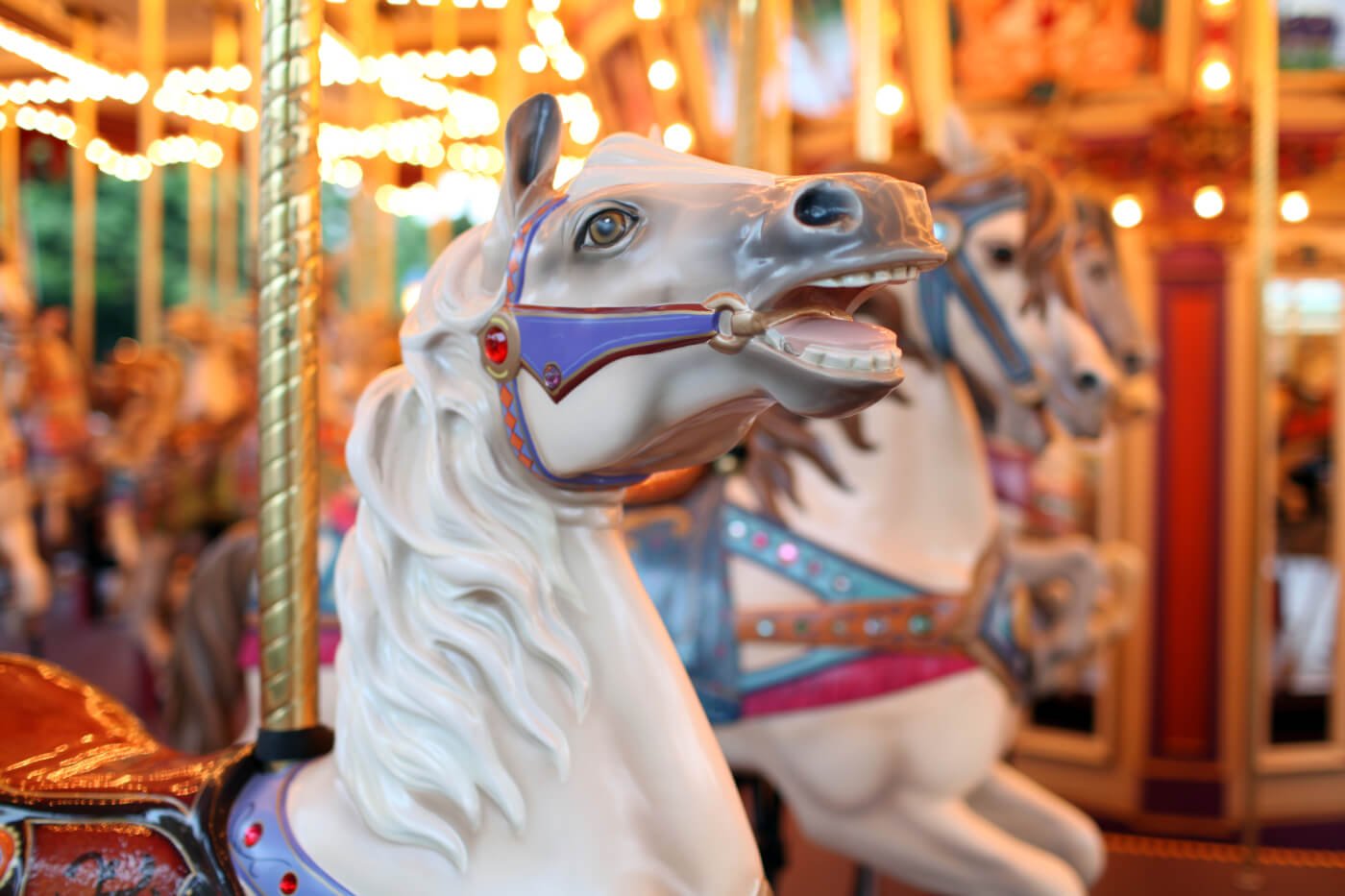
Well, PETA commissioned a nationwide Harris poll to find out how people feel about horse carousel rides—and whether they influence attitudes about living horses.
The poll netted significant findings: Some fairs, tourist hotspots, and even children’s birthday parties cart live horses and ponies around for photo-ops or rides. When someone forces horses and ponies to give rides or pull carriages, they can develop painful hoof ailments, saddle sores, and even mouth and dental injuries from ill-fitting or poorly maintained equipment. During summer fairs, some exhibitors attach ponies to turnstiles. They force the animals to walk in circles for hours, often in extreme heat, often depriving them of adequate water to avoid “accidents.” Because it can be cheaper for operators to replace exhausted or injured animals than to provide proper veterinary care or pay for a lifetime of retirement, they are likely to meet a bad end.
Children learn through play and teaching them to have respect and compassion for our fellow animals helps to nurture empathy and kindness. Horse- and animal-themed carousel rides, however, can normalize the idea that animals exist for human amusement, shaping attitudes that accept exploitation. Spaceships, trains, planes, and other carousel shapes are the ticket!
Survey Results: How Carousel Horses Shape Attitudes
The Harris poll asked, “Which of the following best reflects your personal view about the relationship between carousel horses and real horses?” The responses revealed some interesting patterns, particularly along gender lines.
Men were significantly more likely than women to believe that carousel horses influence how people think about using horses for human enjoyment:
- 46% more likely than women to believe that carousel horses normalize the idea of horses being used for entertainment (19% vs. 13%).
- 42% more likely than women to agree that carousels make them think about how horses are portrayed in entertainment in general (17% vs. 12%).
- 29% more likely than women to believe that carousel horses romanticize the idea of riding or using horses for human enjoyment (31% vs. 24%).
Carousel Rides Need a Compassionate Upgrade
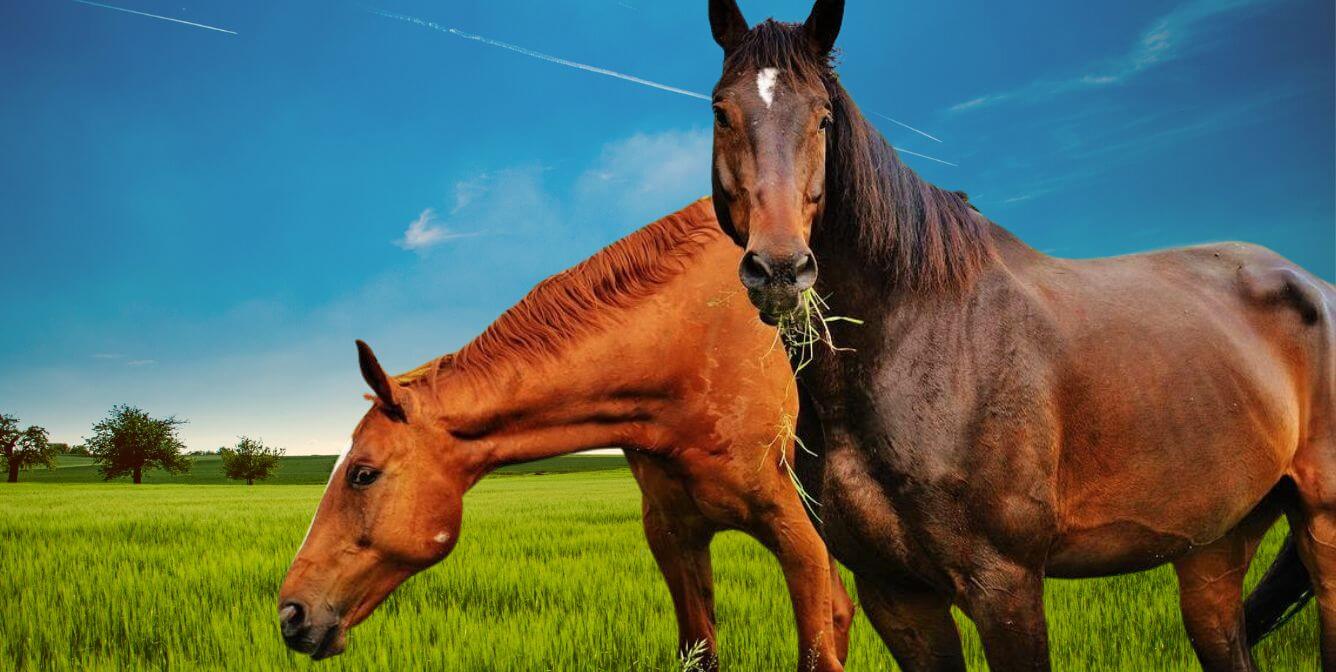
Horses are intelligent, social animals who stay close to their families, protect their loved ones, and nurture their babies. Free-roaming horses spend their days running across open fields, playing, and exploring vast landscapes. Horse-themed carousels normalize using them as “entertainment” and ride-givers, rather than the thinking, feeling individuals they are.
That’s why PETA advocates for animal-free rides that still offer the magic of a carousel without teaching children a problematic message. Rides can feature imaginative figures like cars, airplanes, spaceships, bulldozers, or whimsical creations such as shooting stars, rainbows, and flying brooms, preserving the joy of play while teaching kindness and empathy for every species.
Take Action for Horses!
While carousel rides are just one small part of the problem, real horses are suffering right now for carriage rides, rodeos, and beyond. They need YOUR action. Speak up, support animal-free attractions, and help ensure a future where “entertainment” does not involve any form of exploitation.
Survey Method:
This survey was conducted online within the United States by The Harris Poll on behalf of PETA from November 24 – 26, 2025 among 2083 individuals aged 18 and older. The sampling precision of Harris online polls is measured by using a Bayesian credible interval. For this study, the sample data is accurate to within +/- 2.5 percentage points using a 95% confidence level.
For complete survey methodology, including weighting variables and subgroup sample sizes, please contact Cecilia Mabilais-Estevez at 757-213-8712 or [email protected].