Bulls Beaten and Worked to Death for Sugar Used in Pepsi Drinks; PETA Appeals to Shareholders to Act
For Immediate Release:
November 18, 2025
Contact:
Moira Colley 202-483-7382
Is PepsiCo violating its own animal welfare policy by sourcing sugar from Indian farms for Pepsi-branded drinks where bulls are beaten, whipped, and forced to haul heavy loads of sugarcane? That’s the question the company is facing in a resolution submitted today by PETA on behalf of a shareholder seeking a report into the abusive treatment of animals in PepsiCo’s and its partners’ supply chains.
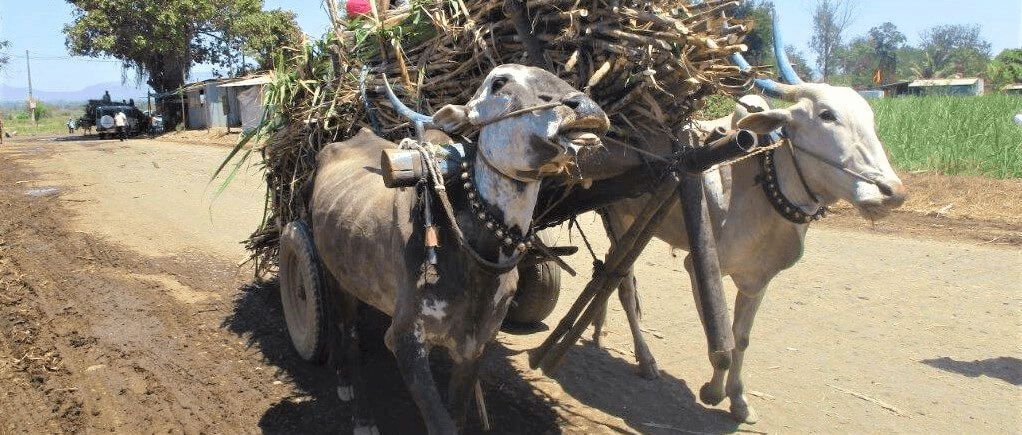
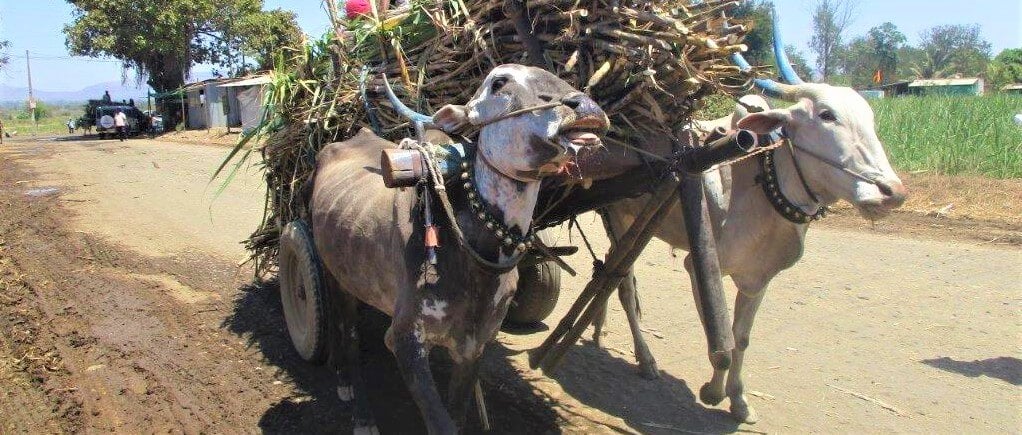
PepsiCo’s bottling partner in India is linked to an industry in which bulls are beaten with sticks and whips as they struggle to carry carts illegally overloaded with as much as four tons of sugarcane. Not only does such grueling labor cause painful abscesses and muscle tears, but many animals suffer bloody wounds from the barbed-wire spikes that tear into their faces if they “disobey” by turning their heads. PETA brought this abuse to the attention of PepsiCo’s leadership earlier this year—noting that it violates the company’s Global Policy on Animal Welfare—but the company has failed to act even when humane solutions exist, including eco-tractors that can replace multiple bulls and improve production efficiency.
“Bulls are thinking, feeling beings who are worked to death for the sugar in Pepsi’s soft drinks, and PepsiCo has the power to end this suffering right now,” says PETA Founder Ingrid Newkirk. “PETA is calling on PepsiCo to abide by the animal welfare policies it advertises to shareholders and the public, and commit to mechanization in its partners and supply chain that will spare bulls a lifetime of misery and abuse.”
Animal Rahat, a PETA-supported animal protection charity in India, has worked since 2011 to replace bullock-driven carts with more efficient and cost-effective mechanized alternatives through its Sugarcane Industry Mechanisation Project. Through the project’s influence, one-third of Maharashtra state’s sugar production has been mechanised. A single tractor is capable of transporting up to 18 tons of sugar per trip, providing owners with improved income opportunities.
PETA encourages everyone to help spare bulls a lifetime of suffering and abuse on sugarcane farms by urging PepsiCo to require its partners and suppliers to switch to humane and modern eco-tractors.
PETA—whose motto reads, in part, that “animals are not ours to abuse in any way”—points out that Every Animal Is Someone and offers free Empathy Kits for people who need a lesson in kindness. For more information, please visit PETA.org or follow PETA on X, Facebook, or Instagram.
The full text of the shareholder resolution follows.
WHEREAS
PepsiCo affirms that “animals deserve lives free from physical and mental suffering” and “supports the adoption of high standards of animal husbandry.” To this end, our company urges suppliers and partners to follow its Global Policy on Animal Welfare and expects adherence to its Global Supplier Code of Conduct. Further, our company has acknowledged that regular progress reporting is integral to achieving its long-term vision of good animal health.
Despite these commitments, our company’s bottling partner in India sources sugar in Maharashtra for Pepsi-branded beverages whereby bulls are forced to haul carts that are illegally overloaded with up to four tons of sugarcane, causing painful abscesses, muscle tears, and other serious health issues. Forced to work from dawn until after dark, bulls are also beaten with sticks and whips, stabbed by barbed wire spikes attached to their yokes, and suffer infections from thick nose ropes. Some are literally worked to death.
These practices do not align with PepsiCo policies and appear to violate multiple Indian animal protection laws.
PepsiCo and its partners also source sugar from other regions – including Asia, South America, and North Africa – where animals are still used to haul or crush sugarcane.
Eco-tractors – which have already been adopted by many sugar suppliers in Maharashtra –eliminate animal suffering, enhance human welfare, and improve production efficiency. PepsiCo has the opportunity to move the industry forward by requiring its suppliers and partners to source sugar that is free from animal labor. Yet, the company continues to rely on outdated, inhumane, and inefficient transport methods, risking its reputation and operational integrity.
Failure to uphold publicly stated values and policies can erode consumer trust and may ultimately impact shareholder value.
BE IT RESOLVED:
Shareholders request that PepsiCo issue a report evaluating whether the treatment of animals within our supply chain – including farm-level operations and third-party franchisees – complies with PepsiCo’s Global Animal Welfare Policy, Supplier Code of Conduct, and applicable local animal welfare laws.