PETA Reveals Improper Experiment-Approval Panel at University of Washington
PETA has shown that the University of Washington (UW) stacked its animal care committee with industry insiders—violating the spirit and, seemingly, the letter of federal standards—who then rubber-stamped hundreds of cruel experiments on animals. The university and these committee members fought in court for years to keep the committee’s membership secret, burying evidence while collecting more than a billion dollars a year in federal funding—more than any other public school in the country.
We uncovered that between 2020 and 2025, the university improperly stacked its Institutional Animal Care and Use Committee with animal experimentation insiders. This federally mandated committee evaluates every proposed experiment on animals, including those at the school’s Washington National Primate Research Center.
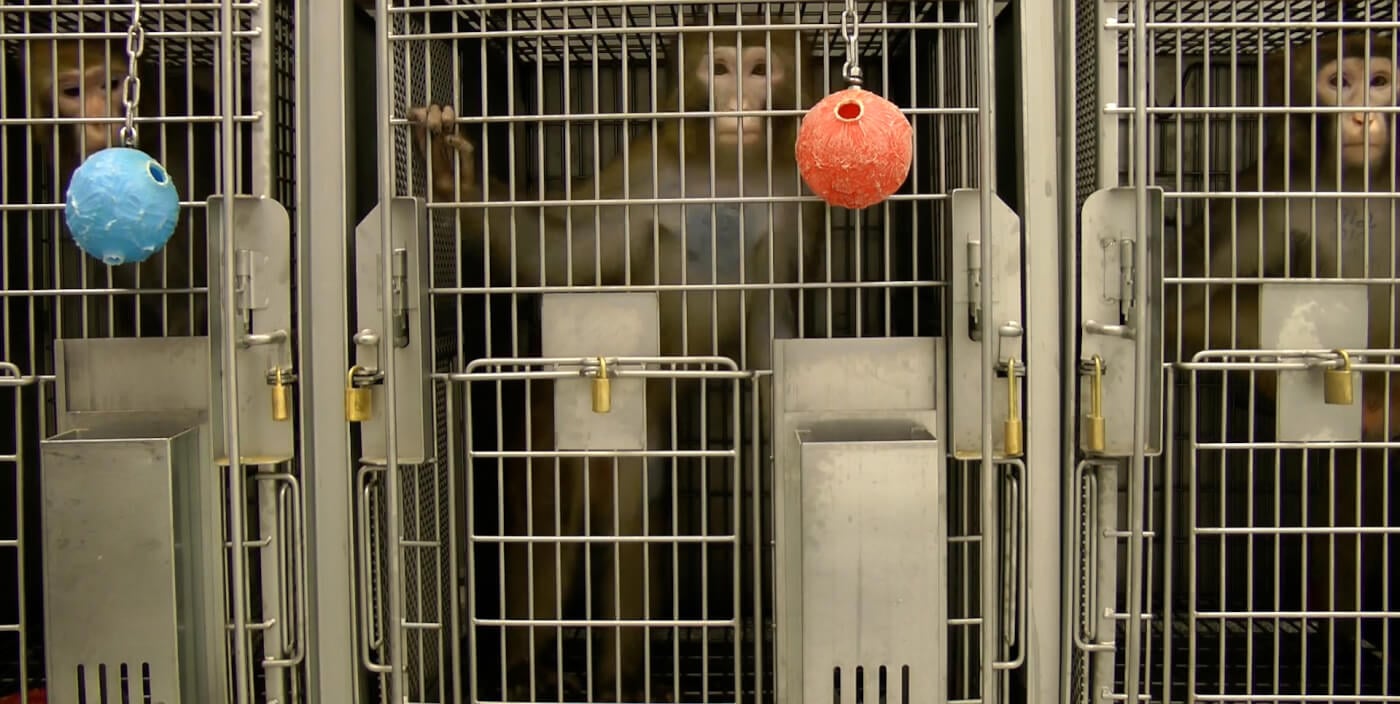
With an average of 55 public decisions a month, the compromised panel made an estimated 1,500 or more questionable decisions on whether to green-light cruel experiments or make changes to ongoing ones.
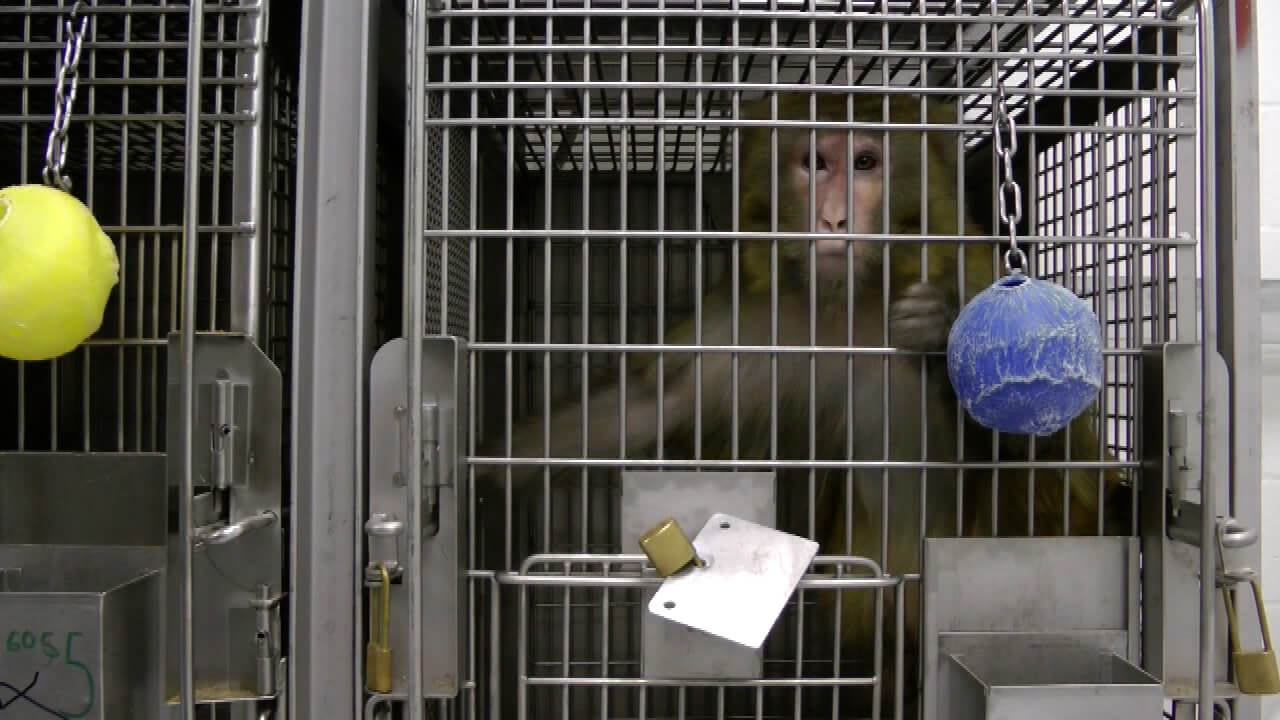
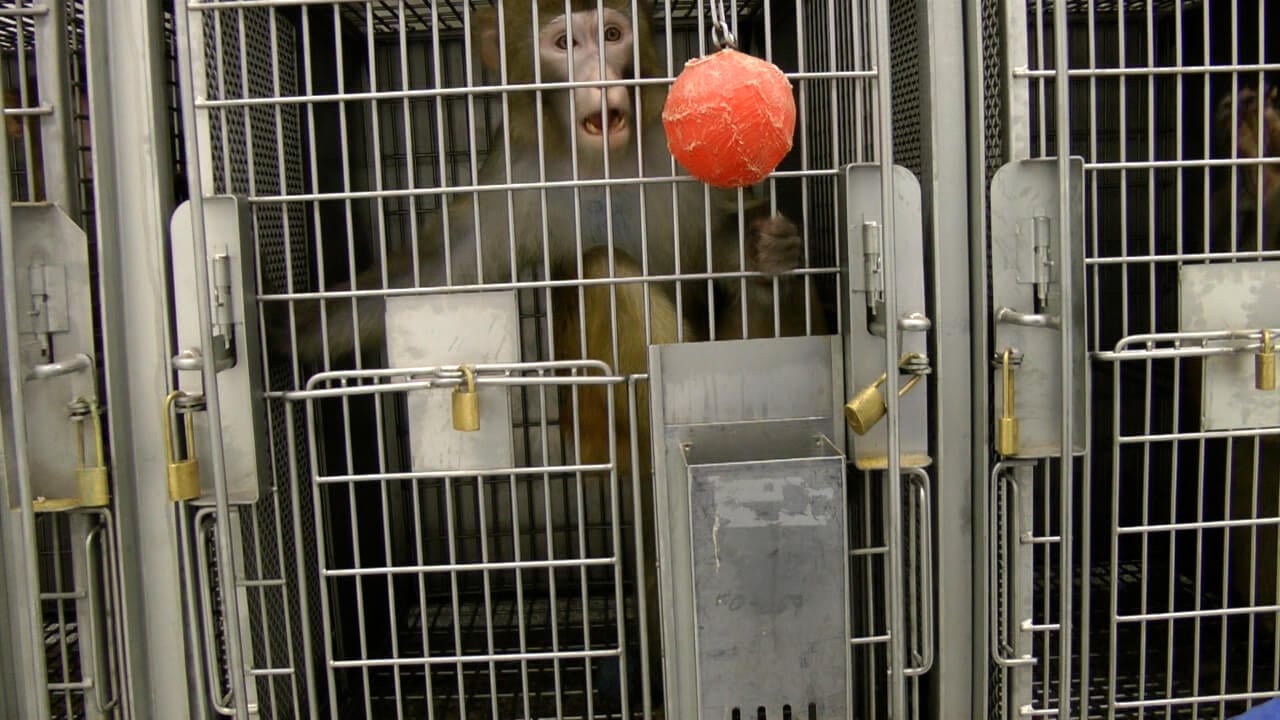
Animals suffered and died because of these decisions. How many, we don’t know. We do know that on any given day, tens of thousands languish in the university’s laboratories while experimenters drill into their skulls, infect them with deadly diseases, and slowly drive them insane in barren cages. Some have suffered from botched surgeries, untreated infections, and preventable disease outbreaks. The university’s contempt for federal standards and guidance only made it worse for them.
It’s highly unlikely the scandal PETA uncovered at UW is isolated. Institutions that experiment on animals are required by federal law to have a properly composed animal care committee, panels that largely fly under the radar. How many would hold up to the scrutiny PETA forced on UW is unknown.
Why Is This Important?
The animal care committee effectively controls the federal money spigot. Assuring the skids are greased avoids any potential speed bumps to the status quo.
No committee approval, no experiments on animals. No experiments, no federal funding, and then the university may have a problem keeping the lights on.
PETA wrested the members’ names from the university in a pitched legal battle that spanned years. The university and the members desperately tried to hide the names from the public, with the members trying again and again after PETA won victory after victory in the 9th Circuit federal court of appeals, filing multiple lawsuits that PETA successfully intervened in, attempting a publicity campaign with false statements that forced PETA to defend against false claims, and more. We persisted and won.
Foxes Guarding the Henhouse
Federal law, regulation, and guidance set clear standards to ensure objectivity on animal care committees. Each must include someone with no scientific training, such as an ethicist, lawyer, or member of the clergy. It must also include one person with no ties, financial interests, or family connections to the institution. Both roles are intended to provide independent oversight free from conflicts of interest, ensuring that research institutions do not police themselves.
But UW’s animal care committee had no such check on its authority.
The panel lacked sufficient non-scientist and unaffiliated members, filling those seats with industry insiders and longtime defenders of animal research. Meanwhile, the university apparently falsely assured the National Institutes of Health, from which it accepted billions in grant money, that its committee was properly constituted.
For instance, the university appointed to the “non-scientist” seat:
- Bob Ennes: A longtime health sciences executive who helped manage the infrastructure and finances supporting UW’s animal-research programs. For more than a decade, Ennes held senior administrative posts overseeing the university’s Health Sciences Administration, which included the Office of Animal Welfare and the Washington National Primate Research Center within his chain of administrative oversight.
- Ken Gordon: For more than a decade, Gordon led an industry group funded by UW whose mission is to promote animal experimentation and defend the institutions that conduct it.
And to its “unaffiliated” seat:
- Michael Krasik: Krasik and his wife, former university employee Nancy Geiger, made repeated donations to UW programs while Geiger worked for a UW partner organization, VillageReach, which collaborated with the university on research projects. Their son is a UW Class of 2014 grad.
- Jacqui Bales (now Ague): A former employeewho has ongoing professional overlap with the university. After leaving UW, she joined the Seattle Children’s Research Institute, whose animal testing protocols are reviewed in coordination with the university’s animal care committee.
- Scott Haskell: A veterinarian whose record of experimenting on animals should have disqualified him. Haskell’s professional background centers on animal testing and regulatory science. As a former director of a veterinary technology program with a laboratory animal curriculum, Haskell has long been part of the research establishment.
Retract and Refund
PETA is urging the U.S. Department of Health and Human Services to take sweeping action against the university and every individual who enabled this apparent deception. The agency must recover misspent federal money, retract published research, terminate affected grants, suspend or debar the responsible institutional officials, and impose civil penalties on UW and each animal committee member who participated in or benefited from the hollow assurances. The National Institutes of Health, part of the Department of Health and Human Services, confirmed it will investigate.
What You Can Do
Please TAKE ACTION to urge the National Institutes of Health to stop funding the seven national primate research centers, including the one at UW:

