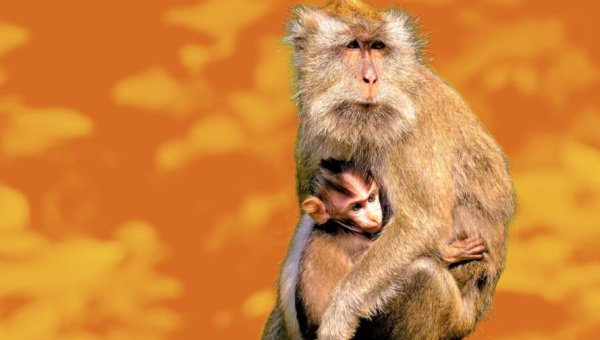
Whistleblower: Charles River Convinced the Government to Reopen Cambodian Monkey Trade
PETA has gotten wind through multiple sources that monkey importation and experimentation colossus Charles River Laboratories has convinced the U.S. government to reopen a monkey supply pipeline from Cambodia, despite well-documented and widespread smuggling and laundering of wild-caught macaques falsely labeled as captive-bred.
This cannot happen. PETA is strongly urging the U.S. Fish and Wildlife Service and the Centers for Disease Control and Prevention to suspend and permanently ban monkey imports from Cambodia immediately.
In early 2023, Fish and Wildlife suspended the importation of monkeys from Cambodia following Charles River’s importation of 1,269 monkeys from Cambodia that the company could not prove were not illegally abducted from forests. Its own 5-year investigation found that tens of thousands of these macaques were illegally stolen from the forests to fill U.S. laboratories.
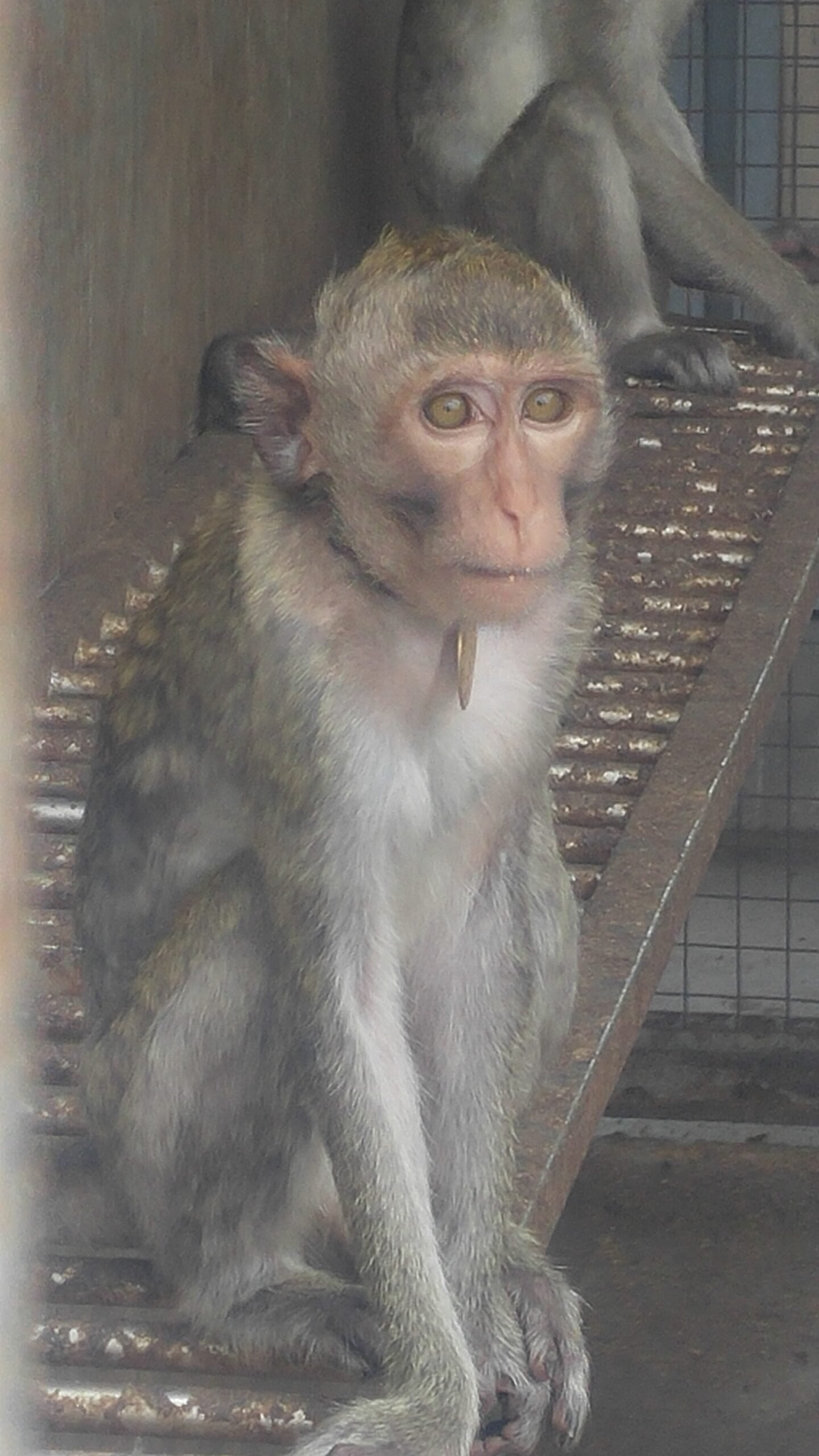
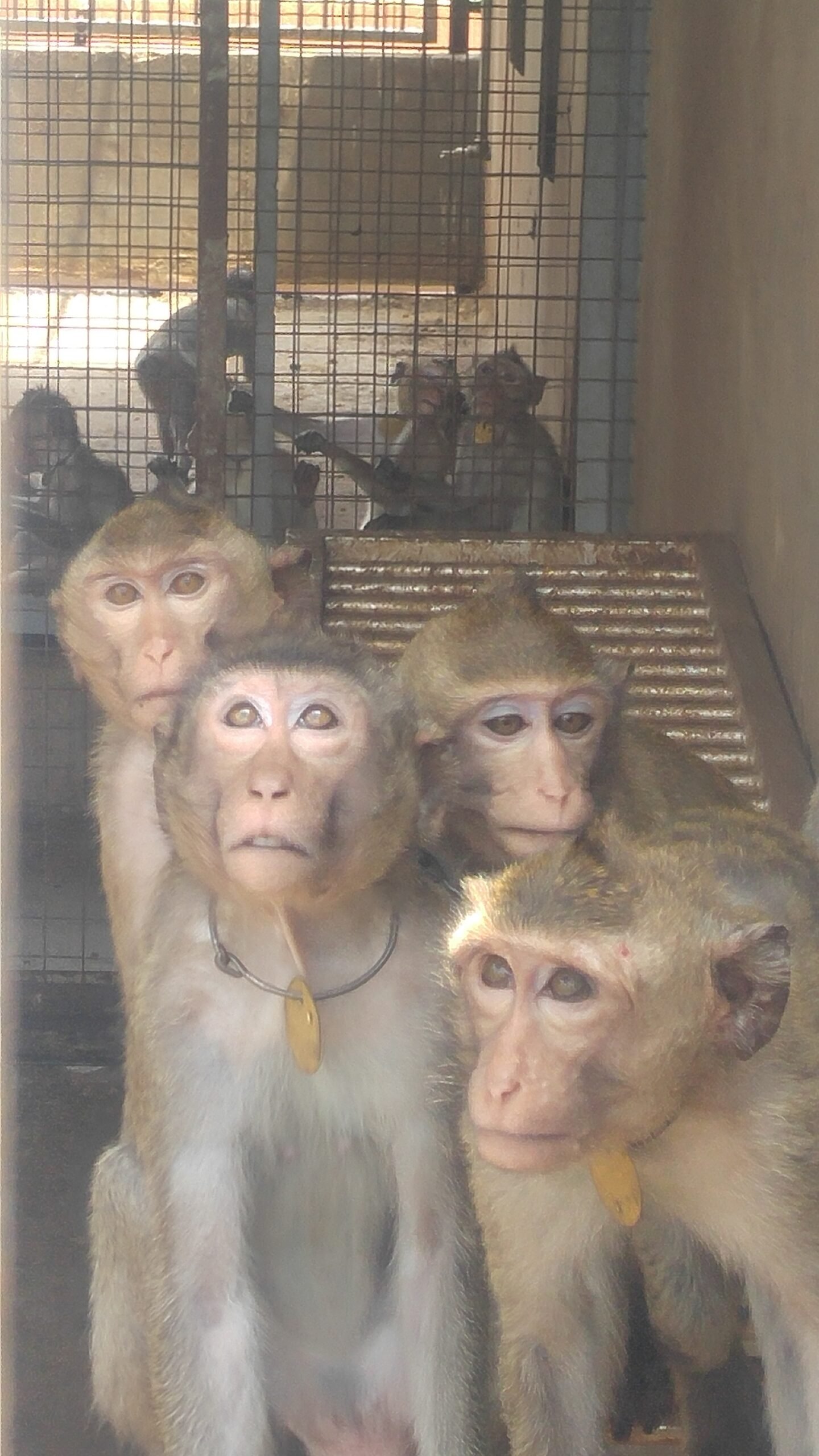
Those monkeys were released back to Charles River in July 2025. There is still no indication that Charles River ever provided proof of legal sourcing.
Monkey Extinction and Biosecurity Risks
The feds agreement with Charles River’s apparent plan would speed the extinction of long-tailed macaques, a favorite of experimenters. The International Union for Conservation of Nature, the world’s leading experts on species extinction, last month reaffirmed that long-tailed macaques are an endangered species. They’ve lost 50-70 percent of their numbers over the past 30 years. Habitat loss and laboratory demand are chiefly responsible.
Cambodian monkey imports have also demonstrated a grave danger to public health and biosecurity. Exported primates from Cambodia have repeatedly tested positive for tuberculosis and Herpes B, a virus that can cause fatal encephalitis in humans through bites or scratches.
In 2021, at least four monkeys released from quarantine in Texas were found infected with Burkholderia pseudomallei. The bacteria are a Tier 1 bioterrorism agent that can kill one in two people. For months, it can be shed by primates through waste, blood, and saliva, creating prolonged exposure risks for workers and surrounding communities.
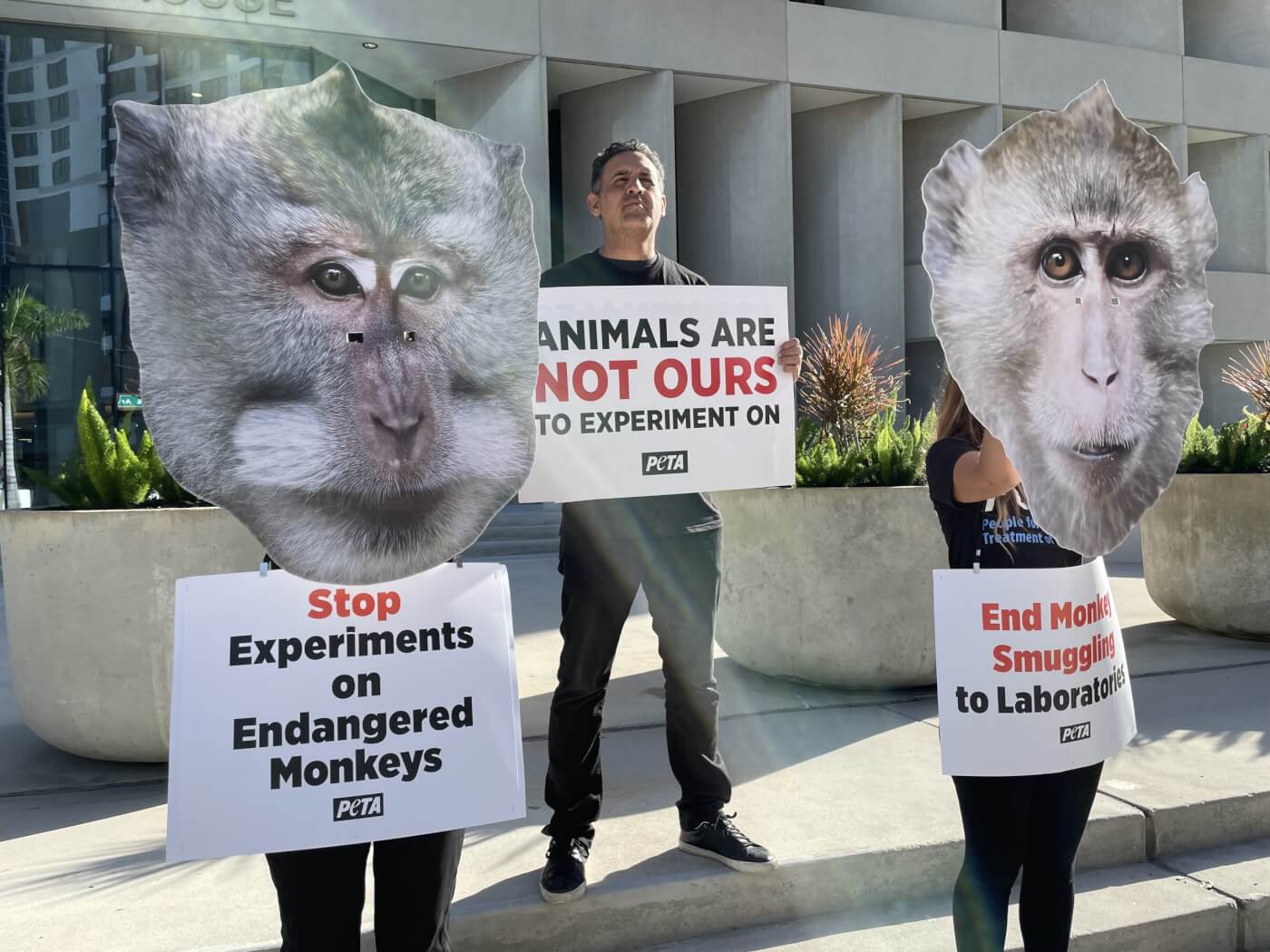
What You Can Do
Charles River must not be allowed to restart importing monkeys from Cambodia. The overwhelming evidence of industry-wide illegality, irrefutable species decline, and known public health risks should far outweigh the runaway greed of Charles River execs looking to make another quick buck.
Please TAKE ACTION and tell the Department of Health & Human Services to close the monkey import pipeline today!