
How PETA Scientists Modernized Testing at Scientific Conferences in 2025
Check out these international toxicology conferences where PETA scientists made their mark, promoting state-of-the-art testing methods! Amongst an audience of government regulators, scientific experts, and budding young professionals, they gave 15 presentations and co-chaired 7 sessions, sharing groundbreaking developments in non-animal toxicity testing.
The Society of Toxicology (SOT) 64th Annual Meeting
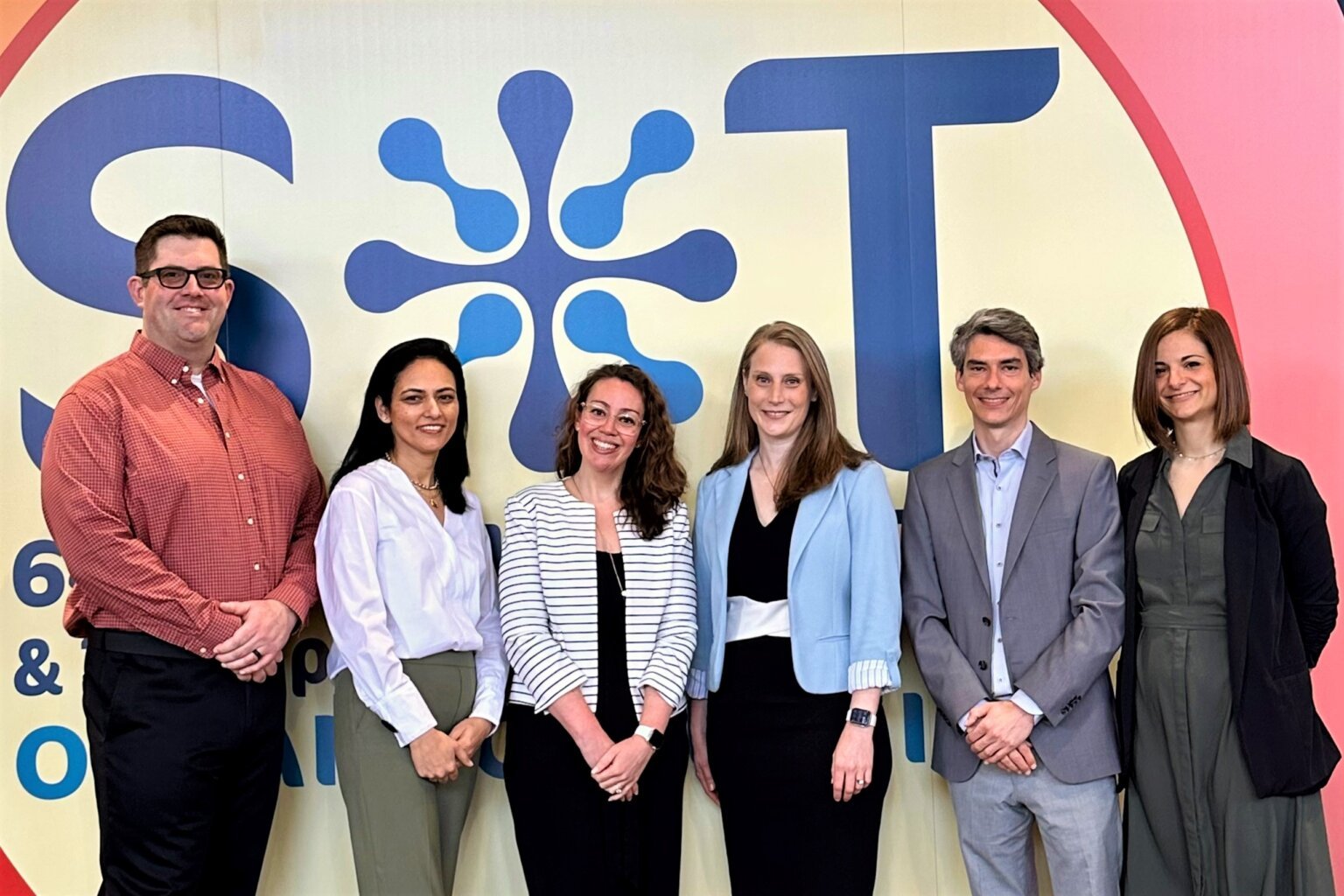
At the world’s largest toxicology event of the year, which took place in Orlando, Florida, PETA scientists joined forces with experts from the U.S. Environmental Protection Agency to showcase ways to protect the environment and humans without testing chemicals on animals. They also presented on non-animal methods that are more relevant to studying a chemical’s effect on human lungs than tests on animals.
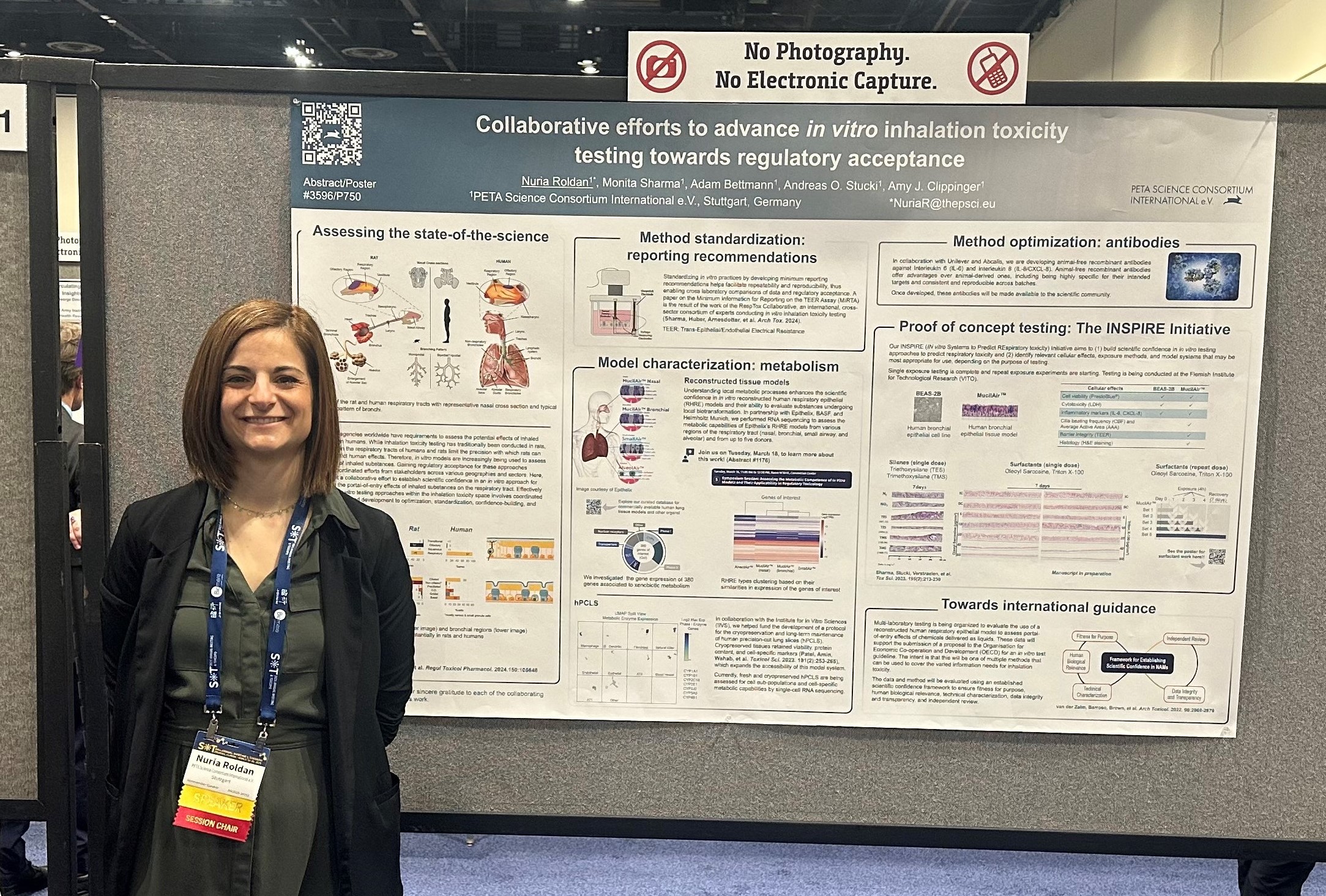
Given that SOT draws thousands of international attendees each year, the conference is always a perfect rendezvous for early-career scientists interested in advancing non-animal tests to seek career advice. With decades of experience amongst the team, PETA scientists led educational courses on non-animal testing and career roundtables to inspire the next generation of humane researchers.
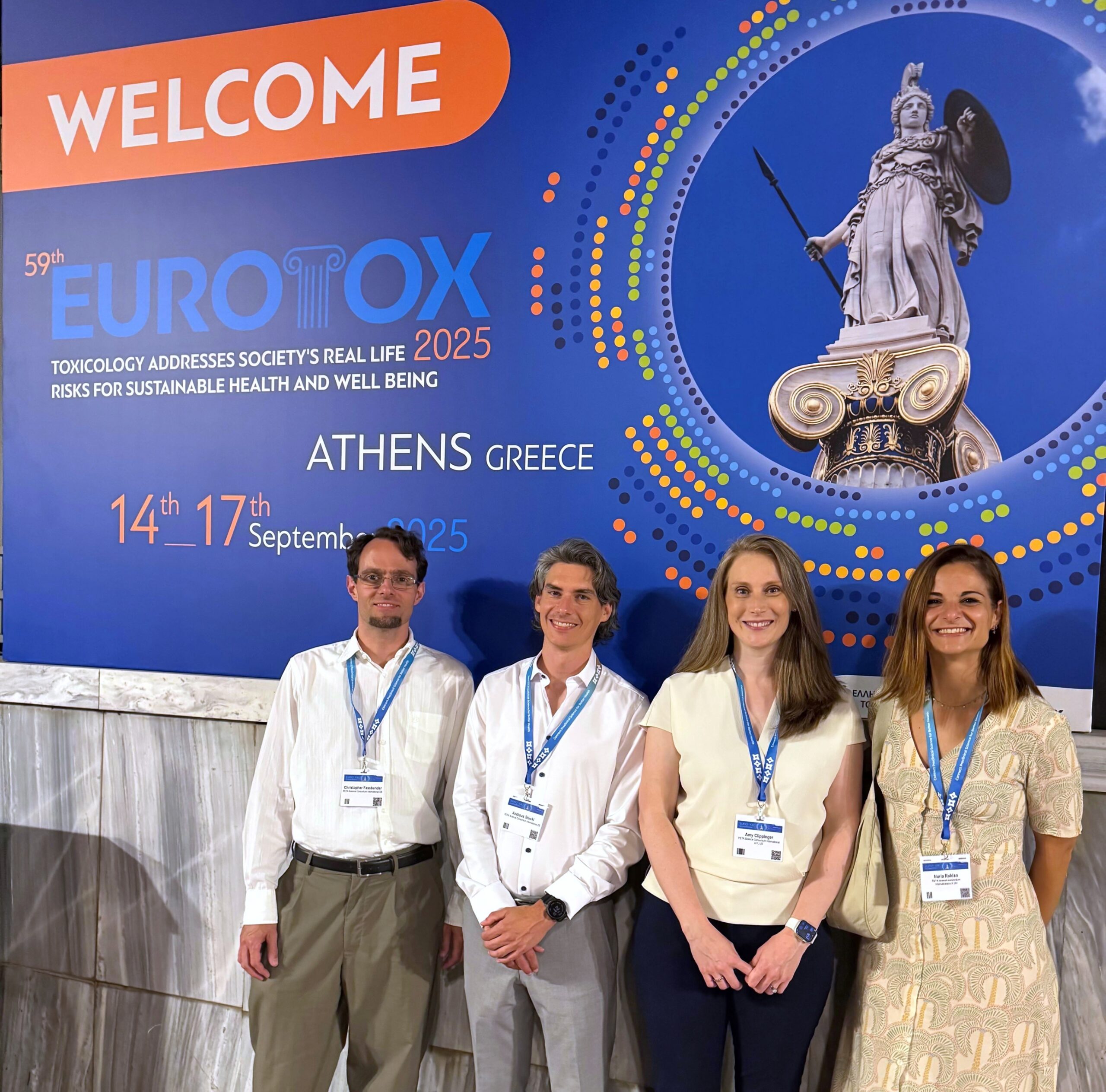
59th Congress of the European Societies of Toxicology (EUROTOX)
In Athens, Greece, PETA scientists joined a global community of 2,000 toxicologists at the largest EUROTOX congress to date. There, they presented cutting-edge non-animal methods for studying the impact of chemicals on lungs and how to avoid using fish in chemical tests for environmental studies.
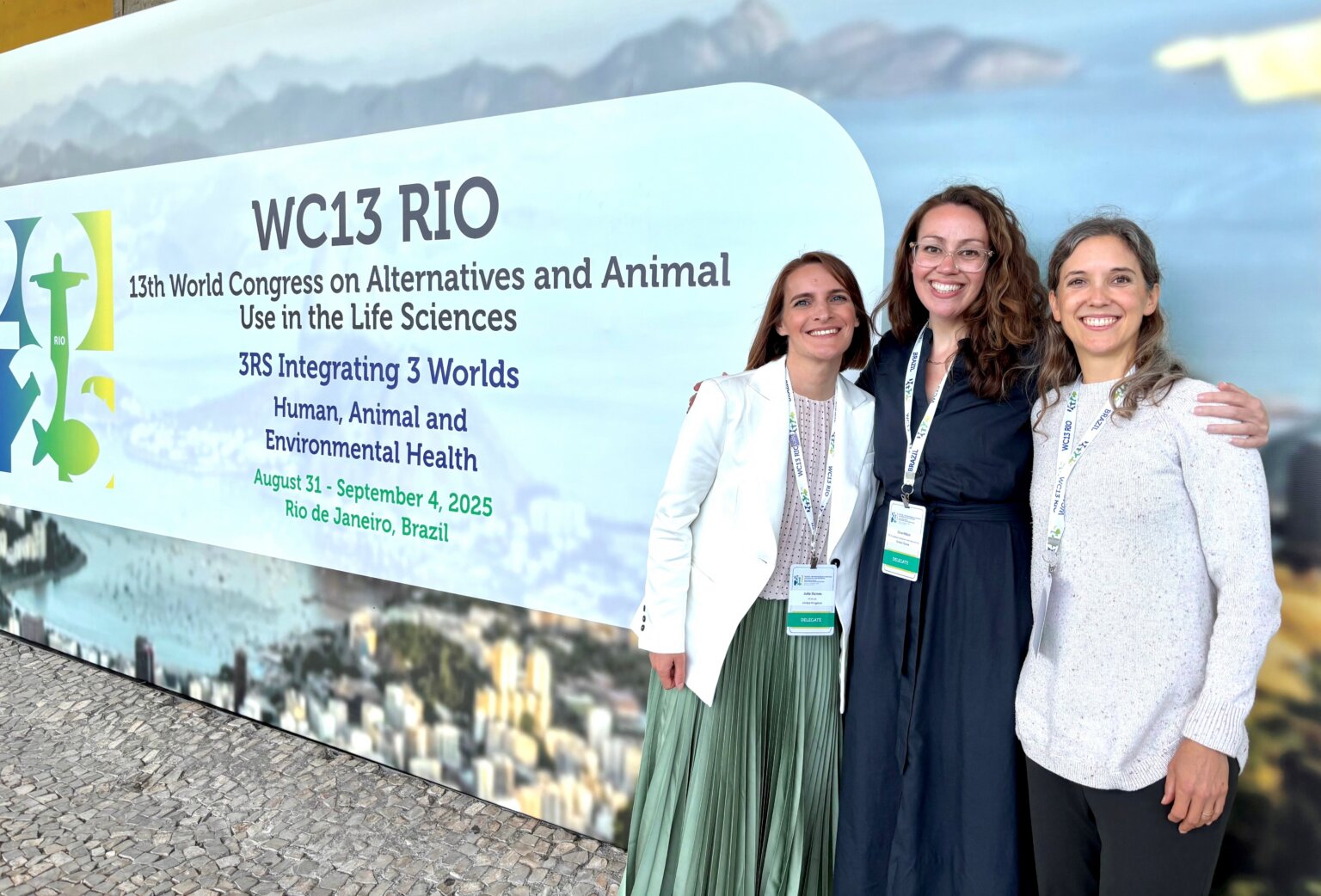
13th World Congress on Alternatives and Animal Use in the Life Sciences (WC13)
This five-day event in Rio de Janeiro, Brazil, united global experts from academia, industry, government, and nonprofits to advance animal-free science.
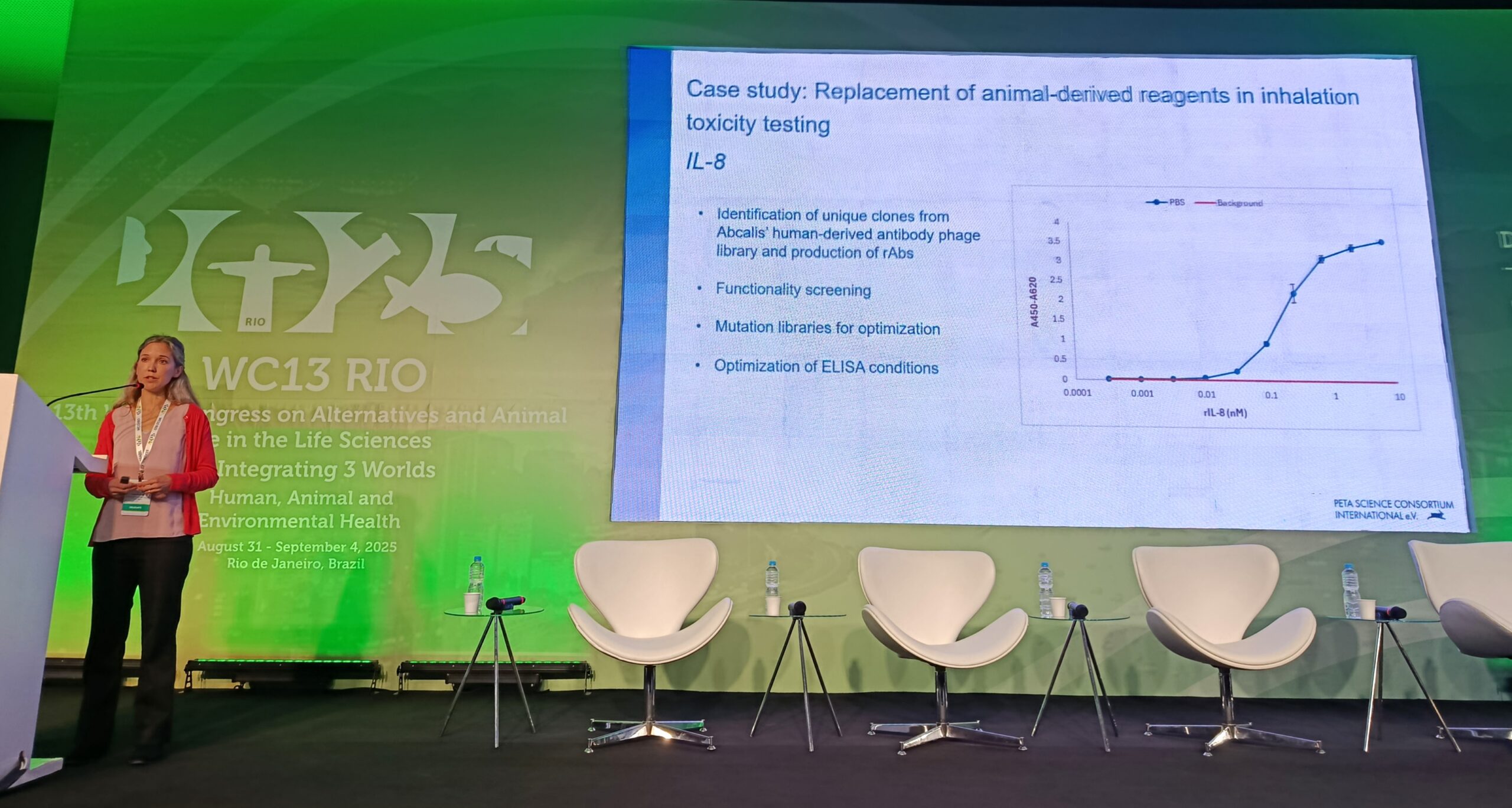
PETA scientists presented alongside international regulators, where they showcased efforts to replace toxicity testing on animals, including testing for pesticides. They also presented advancements in replacing animal parts with animal-free synthetics when growing cells and tissues in a laboratory. These innovative cell models address an often-overlooked, yet crucial, step in creating completely animal-free research.
Help Promote Animal-Free Science!
Over the past decade, reliable, human-relevant non-animal methods have revolutionized the field of toxicity testing. But there’s still work to do. Right now, you can help PETA scientists advance state-of-the-art science that benefits all living beings.

