
The Omnivore’s Deception
“What if the Question of Our Treatment of Animals Is the Most Important Issue of Our Time?” – Dr. John Sanbonmatsu
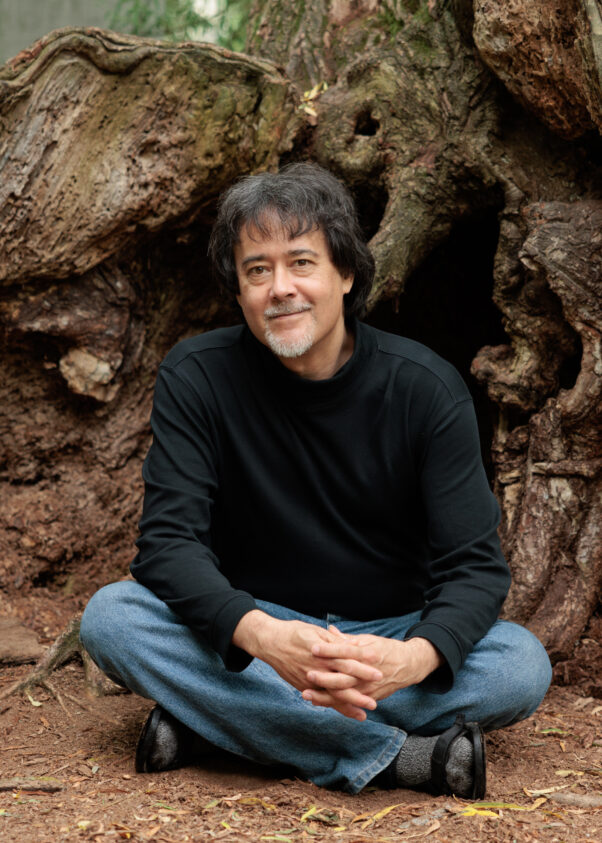
Philosophy professor John Sanbonmatsu’s new book is an extraordinary critique of the justifications for eating and exploiting animals. The title is a direct response to meat apologist Michael Pollan’s The Omnivore’s Dilemma, a book Sanbonmatsu challenges throughout while dismantling the myth that eating animals can ever be “humane.”
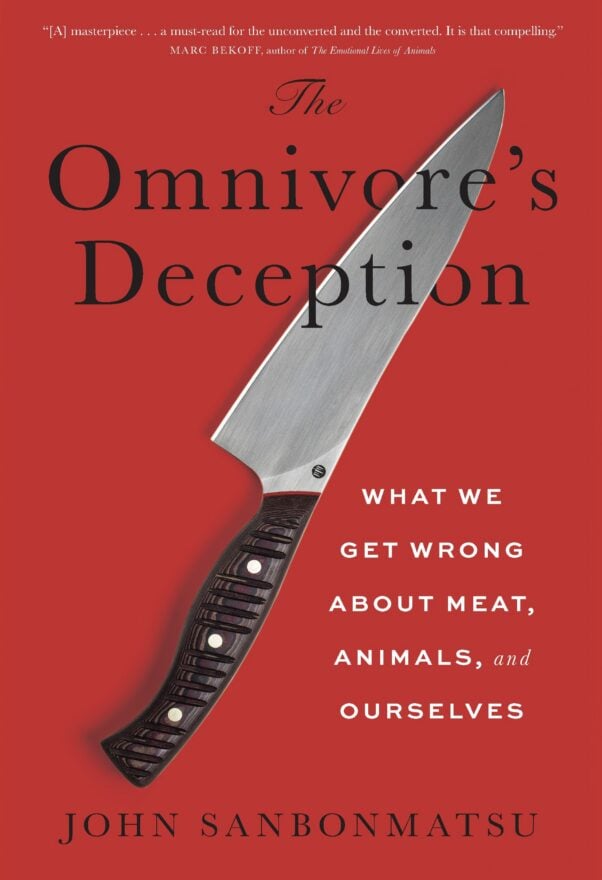
When you read the following excerpt, what present-day dog breeders, experimenters, and horse racers say may come to mind. Here’s a taste:
Today, the animals we imprison in laboratories, slaughterhouses, zoos, and aquaria resist our tyranny – they cry out, scratch or bite, try to escape, or mutely beg our mercy. If their protests go unheard, it is only because we choose not to listen, fearing the resonance of their cries for justice. Who, though, is to hold us accountable for our crimes against them, if not we ourselves?
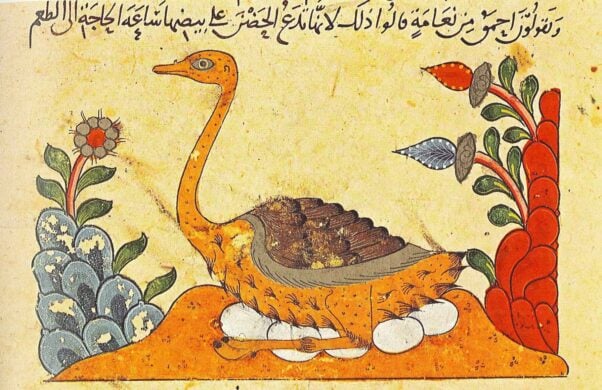
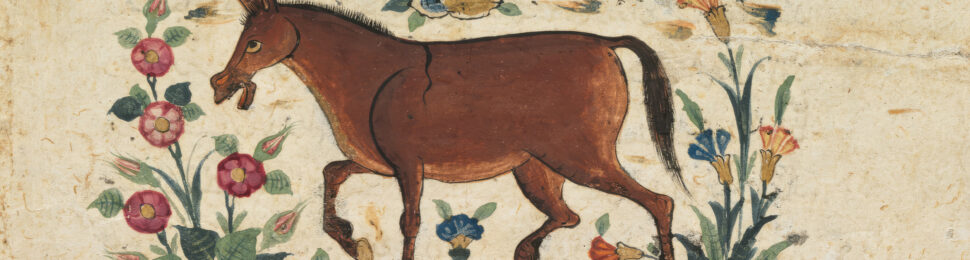
This was the very question raised in The Case of the Animals vs. Man Before the King of the Jinn, a remarkable tenth-century
work composed by a group of Islamic scholars known as the Brethren of Purity in what is now Basra, Iraq. In the story, the animals of the Earth give voice in court to their grievances against the human race. At a trial before the King of the Jinn,
or genies (the supernatural beings of Arab folk myth), the representatives of the birds, fishes, insects, mammals, and other animals one by one give impassioned testimony against humans for their numberless crimes. Animals who had once “roamed the woodlands and wilds unhindered, in search of pasture, water, and all their needs,” were “checked and trammeled.” Gazelles and birds who had long “lived in peace and quietude in their ancestral lands” were forced to flee humans in terror. … The animals describe “the exhausting toil and drudgery of hauling, ploughing, drawing water, turning mills, and being ridden,” noting that they never consented to this usage but were “forced . . . to these tasks with beatings, bludgeonings, and every kind of duress, torture, and chastisement” throughout their lives. Furthermore, whosoever “fell into [humans’] hands was yoked, haltered, caged, and fettered.” Then they were put to death. …
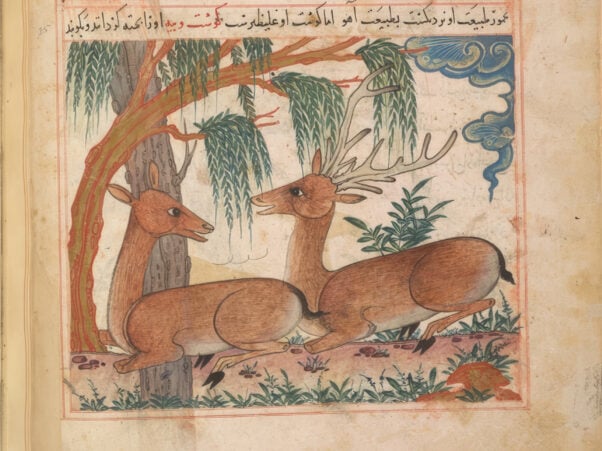
Hearing all this, the humans merely scoff. “These cattle, beasts of prey, and wild creatures – all animals in fact – are our slaves,” they tell the King. “We are their masters.” … The relationship between human master and nonhuman slave, they say, is one of paternal solicitude: “We buy and sell them, feed and water them. We clothe and shelter them from heat and cold, and protect them from predators that would tear them to pieces. When they fall ill, we treat their illness and take care for them. …”
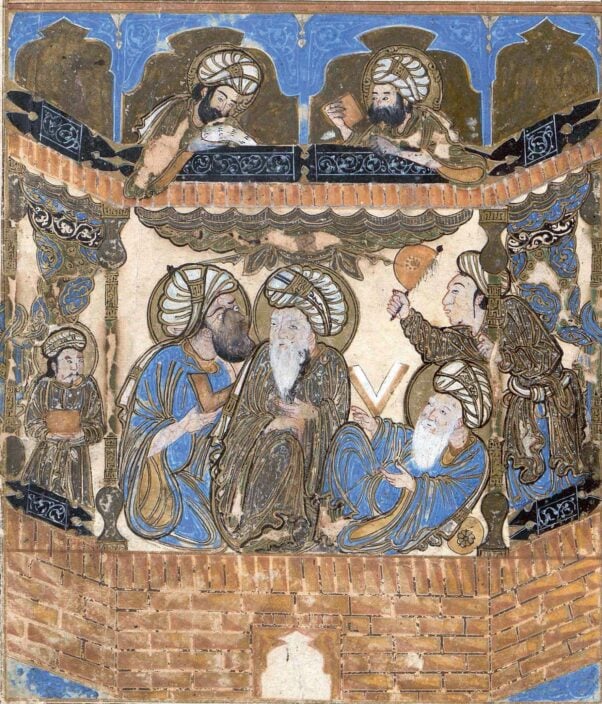
As the trial proceeds, however, the animals make the better arguments, demolishing the excuses offered by the humans in defense of their dominion, from an upright posture and fairer form to intelligence and superiority of senses. The animals establish the beauty of animal forms, the inferiority of the human senses, and the cleverness of many species, observing that while a human will often become lost even when traveling down a familiar road, animals are able to navigate unerringly over great distances. The humans, meanwhile, worried that the judge might want to see the deed or bill of sale proving the animals to be their property, scheme to deceive the court: “We’ll say we had these documents, but they were lost in the Flood.” … [T]he trial ends without judgment. As the Brethren explain in their introduction, their aim has been “to touch on man’s overreaching, oppression, and injustice against the creatures that serve him..”… [T]hey provide an unflinching account of the suffering animals endure at human hands, while showcasing human perfidy, vanity, arrogance, and sadism.
The only thing that has changed in the interim between ancient Basra and today is the scale of our abuses.
What You Can Do
Please pass this article on and buy copies of The Omnivore’s Deception for anyone who claims to care about animals while supporting systems that exploit and kill them.