
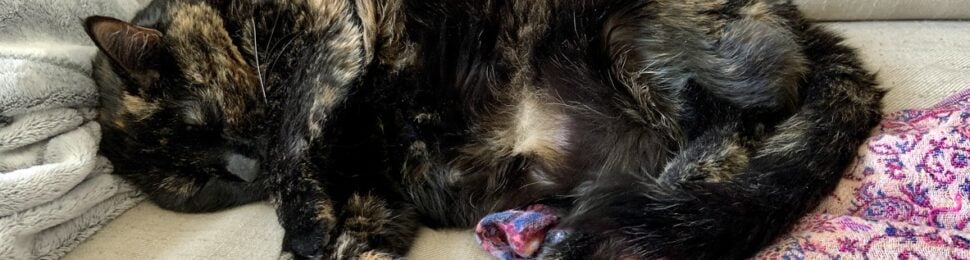
7 Tips for Keeping Your Companion Cat’s Joints Healthy
Let’s get straight to the joint. It may seem like cats have nine lives, but even the most agile feline can develop joint problems. About 20% of cats of all ages suffer from painful osteoarthritis (degenerative joint disease) in one or more joints, and a staggering 90% of cats over the age of 12 show signs of arthritis. (Some “purebred” breeds—like Scottish Folds and Bengals—are even more prone to these issues, which is yet another reason to never buy from breeders.) Because cats are experts at hiding discomfort, it’s important that you remain attentive so that you can spot the signs early.
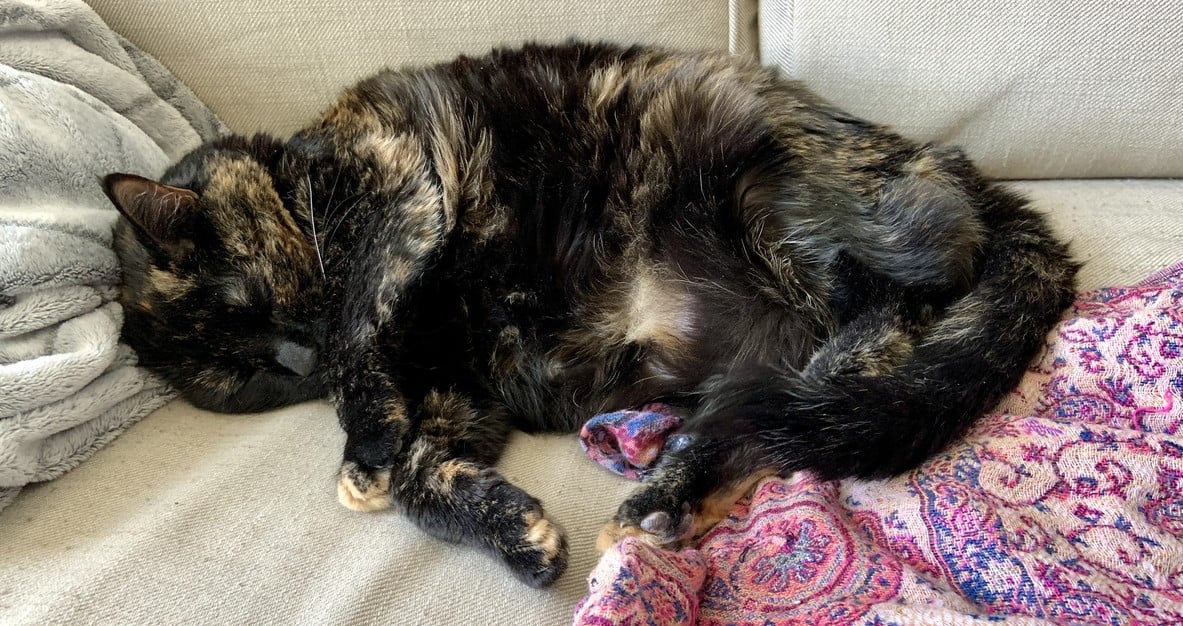
With the right care, a balanced diet, and veterinary support, you can help keep your companion active, comfortable, and happy well into their senior years. Here’s how to support your feline friend’s joint health and ensure they’re living their best, pain-free life.
Keep your cat at a healthy weight.
Keeping your cat at a healthy weight is one of the best ways to protect their joints. Feed portion-controlled meals with high-quality, balanced food and provide plenty of daily playtime to keep them active.
But remember: No one likes to diet—and that includes our companion animals. Any changes to your cat’s calorie intake should be gradual to keep them satiated, stress-free, and never hungry. Slow and steady wins the race!
Always consult your vet when managing your cat’s weight. They can help you determine a healthy target weight, recommend appropriate diets or supplements, and guide you on safe exercise routines tailored to your cat’s needs.
Encourage gentle, regular movement.
If your cat has outgrown the “zoomies” phase, plenty of low-impact exercise can help keep their joints flexible and strong. Translation: More play time! Short play sessions with toys like wand teasers, balls, fabric catnip toys, or treat puzzles can get them moving without strain. Even slow, light activities—like climbing a small cat tree or exploring new spaces—help maintain mobility and prevent stiffness.
Create a joint-friendly environment.
Cats are natural athletes and love to jump, climb, chase, pounce, and perch in high places—but all that leaping from furniture or darting across slippery floors can take a toll on their joints over time. It’s still crucial that you provide your cat with a stimulating environment, but for those with joint issues, a little accommodation goes a long way.
Make life easier for aging or sore cats by adding ramps or steps to your cat’s favorite spots, like beds, couches, or windowsills. Place non-slip mats or rugs on slippery floors and provide orthopedic or memory foam beds for extra support and warmth. Keep essentials—food, water, and the litter box—on a single level to minimize jumping and reduce strain on their joints.
Feed for joint health.
The right food can be like medicine for your feline friend’s joints. Packed with high-quality protein, cartilage-protecting antioxidants like taurine, and omega-3 fatty acids, Benevo vegan cat food delivers all the goodness your cat’s joints love. You can also add Wysong’s Essential Fatty Acids and a glucosamine & chondroitin supplement to reduce joint inflammation and boost cartilage repair.
(Note that you should always make sure to consult with your vet before adding any supplements to your cat’s diet.)
Manage inflammation and pain early.
Your cat depends on you to notice the little things—like a limp, hesitating to jump, or a change in grooming—that can signal joint pain or arthritis. Talk to your vet right away—early intervention can prevent the condition from worsening. Depending on your cat’s needs, prescription joint medications, laser therapy, or acupuncture may help keep them comfortable and active.
Some non-prescription medicines—like Dr. GoodPets Arthritis Relief drops—can help ease discomfort and reduce joint pain, making daily movements more comfortable and enjoyable (but check with your vet first!).
Annual checkups—or every six months for senior cats—can help catch problems early. During visits, ask your vet to check for reduced range of motion or tenderness. If arthritis or injury is suspected, X-rays may be recommended to obtain a clear picture of their joint health.
Keep them warm.
Cold weather can worsen stiffness, so make sure you provide plenty of cozy sleeping areas away from drafts. Some cat-safe, low-wattage heated beds or pads can offer relief.
Reduce stress.
Stress can make joint pain worse, as those extra hormones can increase inflammation and discomfort. Keep your cat’s routines consistent, provide safe, quiet spots for resting, and consider using pheromone diffusers to help them feel calm and secure. A relaxed kitty is a more comfortable kitty!
Need More Cat Companion Care Tips? We’ve Got a Whole Litter of Them!
Be the guardian your cat deserves—one who meets their needs with love and care. For more ways to keep your companion thriving, check out PETA’s guide to caring for cats, our tips for cat dental health, and Ingrid Newkirk’s book, 250 Vital Things Your Cat Wants You to Know.
As an Amazon Associate, PETA earns from qualifying purchases. If you buy something after clicking the Amazon links on this page, a percentage of the qualifying purchase will be donated to PETA and help us protect more animals from exploitation.

Text VEG to 73822 to get the latest vegan lifestyle tips, recipes, and urgent action alerts texted right to your phone.
Terms for automated texts/calls from PETA: https://peta.vg/txt. Text STOP to end, HELP for more info. Msg/data rates may apply. U.S. only.



The iconic actor reveals how animals taught her lessons about trust, authenticity, and unconditional love in this rare, personal PETA interview.

If you can see her, you can “bee” her … adopter! Well, sort of. In truth, PETA has been swarmed with inquiries about this marvelous mutt. Buzz on over to [email protected] to submit your application.

A puggle tethered outdoors? Talk about the worst kind of “oopsie.” Thanks to PETA, this adoptable dog traded being ridiculously kept outside for becoming ridiculously companionable.
Mayor Karen Bass touted efforts to protect animals on Skid Row, but public records obtained by PETA tell a different story. Here’s what we said to the administration at a press conference.

