
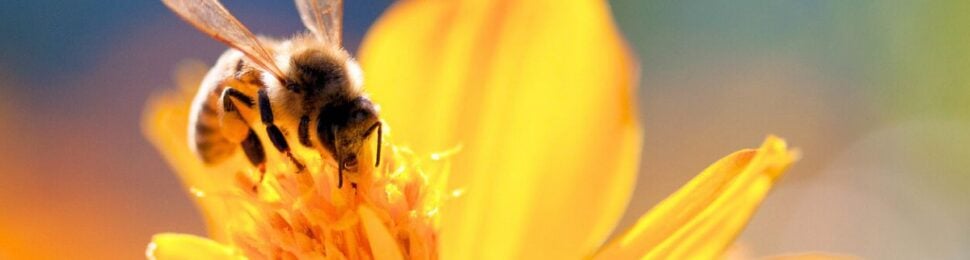
Let the Busy Bees Rest: How Humans Are Making Life Hard for Bees
Bees are an essential part of the biosphere. They are nearly everywhere on Earth and, over hundreds of millions of years, they have been instrumental in bringing about the blossom-filled world that we humans enjoy, too.
The bees most people think of are honeybees. These wonders live in collective hives, where workers toil relentlessly to bring food to the queen bee and her children (who are their sisters). They are complex at both the individual and hive levels, with emergent behaviors that make a bee colony a superorganism.
Honeybees communicate with a complex dancing language, and they have the cognitive capacity to experience emotions, recognize human faces, and maybe even dream. Their senses are acute—they can see ultraviolet light, allowing them to navigate using UV lines in the sky and to find flowers thanks to their UV iridescence and other markings—all of which are invisible to humans.
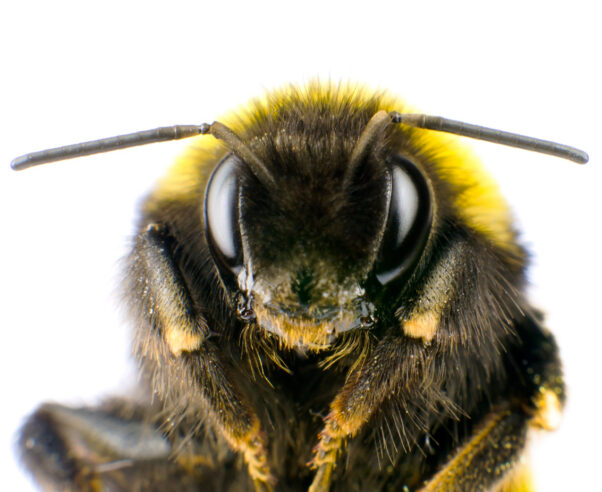
Bees in Bondage
Native to Eurasia, honeybees have been held in captivity by humans for at least 9,000 years. Humans do this to pilfer substances like honey (concentrated and modified flower nectar that bees use to feed their babies and let the hive survive the winter), beeswax (wax bees use to build the cells for their young—cozy little cribs where the babies develop), bee pollen (pollen that bees have collected as a source of protein and other nutrients), and royal jelly (special food nurse bees create to feed baby queens, who for some reason nobody calls princesses).
It’s no secret that bees don’t want to give up their honey—just try and take some from a hive and you’ll get the message loud and clear. Bees literally give their lives to save their honey, it’s that important to them. Stealing honey is violence that leaves the hive dismembered and many bees dead.
Worse, industrial beekeeping’s priority is yield, not the health or happiness of bees. Beekeepers often cut off queens’ wings so they can’t leave the colony, and forcibly impregnate queens with sperm taken from dead drones, denying them the joy of the mating flight. Every winter, humans truck millions of honeybee colonies around agricultural regions to pollinate the developing crops. In the process, billions of bees die from stress, pesticide exposure, and disease. Even backyard beekeepers kill bees routinely.
And all the while, all these honeybees are displacing native bees and other pollinators, including moths, flies, beetles, birds, and bats.
How Can We Help Bees?
The good news is that there’s nothing that humans get from honeybees that we can’t get in other, more compassionate ways. Is there beeswax in your lip balm? Honey in your smoothie? You don’t need any of that.
We’ve assembled a list of the best ways to help bees through your choices. Check it out!
And in the meantime, you can help bees if you choose to…
Text VEG to 73822 to get the latest vegan lifestyle tips, recipes, and urgent action alerts texted right to your phone.
Terms for automated texts/calls from PETA: https://peta.vg/txt. Text STOP to end, HELP for more info. Msg/data rates may apply. U.S. only.


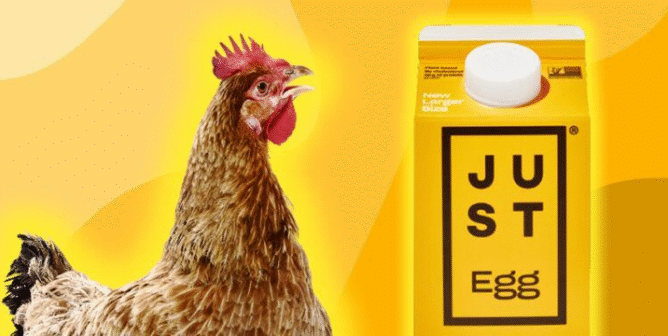
Just Foods’ latest Just Egg upgrade is fluffier, creamier, and more versatile than ever. Put it to the test with these delicious recipes.

The company once known for vegan burgers is betting that the future is protein, protein, and more protein.

Many people report fewer reflux symptoms after going vegan. If you’re still experiencing heartburn, a few simple adjustments could make a difference.
Want stronger muscles, better sleep, and a healthier heart? These magnesium-rich vegan foods make it easy to get more of this mineral, without supporting cruelty.