A Kangaroo Injured a Child in Texas—But What Was a Kangaroo Doing There?
An 11-year-old boy was injured by a kangaroo in his own backyard—and no, his backyard is not the Australian outback. Learn why there was a kangaroo in this suburban home in San Antonio, Texas, and how this situation—and so many others involving animals illegally kept as “pets”—was completely avoidable.
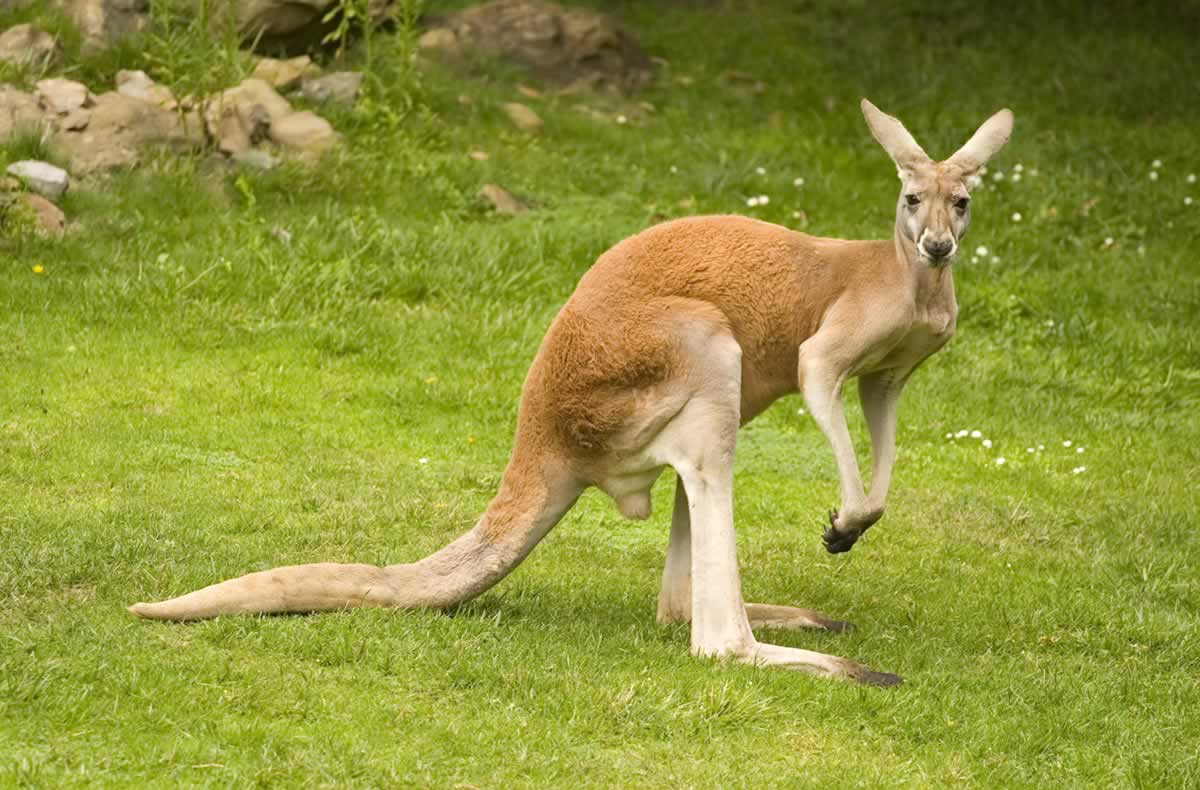
11-Year-Old Boy Bitten by Kangaroo in Texas
According to reports, the boy’s family had illegally kept the red kangaroo, Bobby, as a “pet” for several years. The child’s wound was treated by a doctor who promptly reported the incident to authorities. The situation could have been much worse, or even deadly, as direct and indirect contact with animals such as kangaroos at backyard menageries or “petting zoos” can spread serious pathogens, including E. coli, and salmonella bacteria. The child’s father was cited for several violations, including for possession of a prohibited animal, failure to provide proof of a current rabies vaccination, and responsibility for an animal bite incident. Animal Care Service removed Bobby from the San Antonio neighborhood and held him in quarantine for 30 days.
Kangaroos Are Not ‘Pets’
When left in their natural habitat, kangaroos are family-oriented animals who live in groups called “mobs.” Kangaroo mobs typically comprise their parents, female siblings, aunts, and cousins. Baby kangaroos live in their mother’s pouch for about 6 months as they grow and have a strong bond. Females typically spend most of their lives alongside their mothers, while male kangaroos usually separate to create mobs of their own at about 4 years old. Kangaroos kept illegally, like Bobby, are forced to live in situations where they cannot express their natural behaviors.
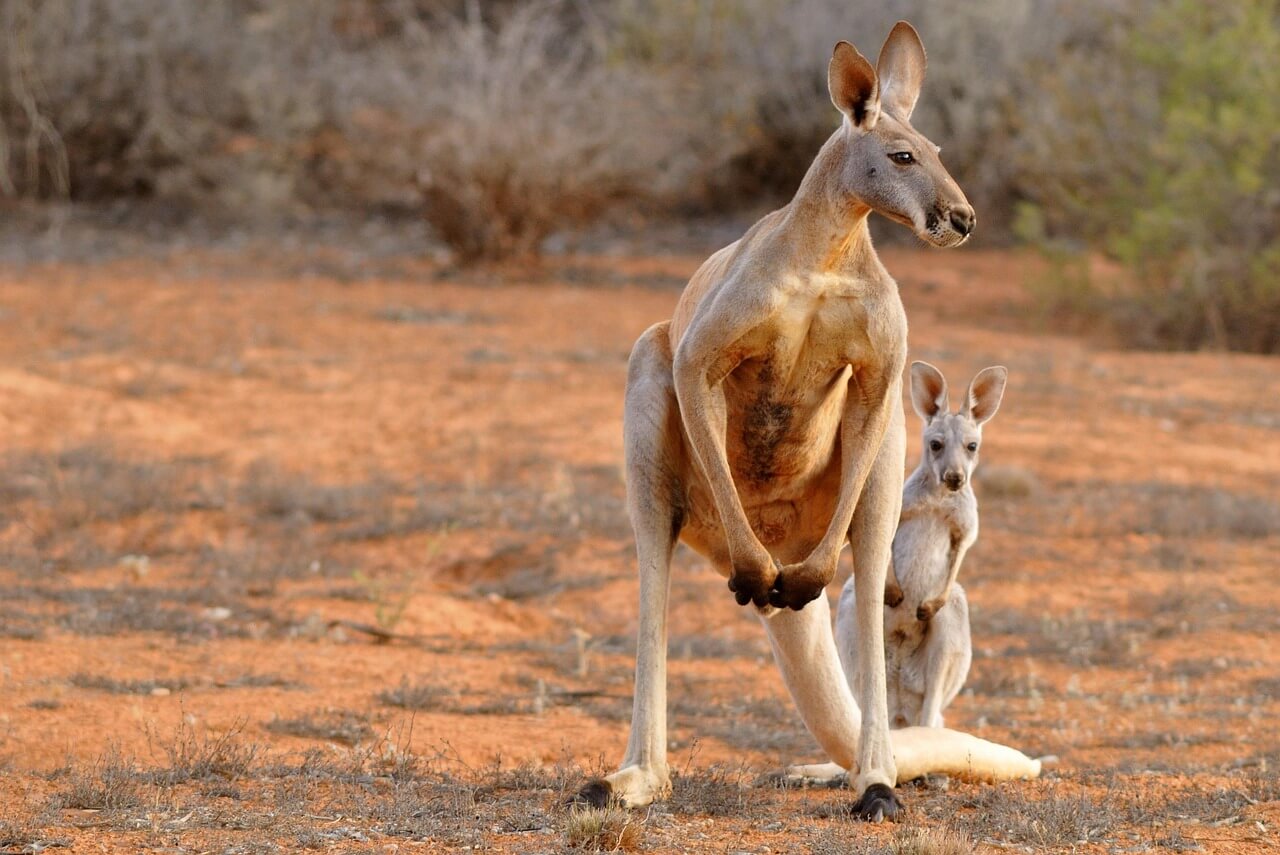
Kangaroos like Bobby and so many other species kept illegally as “pets” need your help. If you see someone keeping an exotic animal illegally, speak up and report it immediately to local authorities.
How You Can Help Animals Like Bobby
After an intense PETA push, help from our friends at Big Cat Rescue, and thousands of PETA supporters, the Big Cat Public Safety Act was signed into law. The Big Cat Public Safety Act prohibits private ownership of big cats and bans public contact with them, protecting humans and big cats alike.
Now, PETA is working to pass the Captive Primate Safety Act, which would ban the private ownership, private breeding, and private commercial trade of monkeys and apes. To help, contact your federal legislators and urge them to cosponsor the bipartisan bill.