

SHOCKING! The Slow-Kill Consequences of Best Friends’ ‘No-Kill’ Agenda
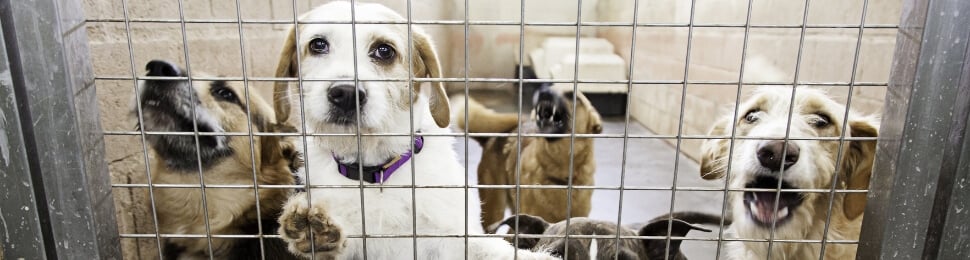
When Best Friends Animal Society, a Utah-based “no-kill” pressure group with a $173 million budget – yes, $173 million from kind people duped into thinking that if shelters stopped providing euthanasia services, animals would somehow be “saved” – took over the Harris County Animal Shelter’s operations in Texas, the result was disastrous. “Almost every animal who leaves the shelter does so in a worse condition than when they arrived,” said a former lead veterinarian. At the time, the facility was confining nearly twice as many animals as it was designed to hold, cramming them five to six per kennel. People were dumping dogs and cats outside, tied to trees and in boxes, because the waitlist to surrender an animal was so long. Lord knows how many were tossed in the woods or onto the street.
The Devil’s in the Details
According to FBI records, Best Friends began as a Satanic cult. Its members decided that the “best way to raise money” would be “based on taking care of animals” to appeal to people’s emotions, so they created Best Friends Animal Society. Now, the group is relentlessly pressuring governments and shelters across the US to declare all facilities “no-kill” so that Best Friends can take credit for “ending euthanasia.” If shelters refuse to implement the group’s damaging policies, Best Friends launches evil smear campaigns that include personal attacks and harassment of shelter staff and their families. This could be happening in your community.
“No-kill” is terrific for fundraising, but it doesn’t “save” animals – it betrays them, causing more suffering and bad deaths. Here’s just a tiny glimpse of the deadly damage.
Hellish Fights, Pregnant Dogs Dumped
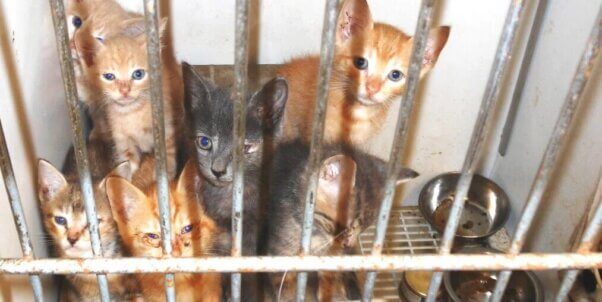
Under intense pressure never to euthanize, many shelters hoard animals, overcrowding them in cages, sometimes until they die. At El Paso Animal Services, where Best Friends was given “direct oversight responsibilities,” dogs reportedly fought to the death, crammed together in blood-covered kennels. At least four dogs died during frigid temperatures after they were moved to outdoor kennels and a barn.
Shelters striving for “no-kill” status turn away animals, leaving them to reproduce (creating even more with nowhere to go) and die on the streets or at the hands of people who don’t want them. In California, where Fresno Animal Center – a Best Friends partner – is perpetually “full,” one worker was filmed abandoning a panting dog on a street during dangerously hot weather and employees have reportedly told residents to leave strays on the streets, including a dog who was described as ill and pregnant.
“[I]t’s like me saying I’m not going to arrest anybody and Springfield is going to become a no-crime township. It’s just not going to work. If the animals are dying all around your building and you say, ‘They’re not dying in here, so that’s OK’ …. That doesn’t work.” — Springfield, Pennsylvania, Police Chief Joseph Daly, after the local shelter implemented “no-kill” policies
Supplying Abusers With Victims, Endangering the Public
Best Friends pushes shelters to enact reckless policies, including giving away animals to all comers, which has included convicted abusers. Indianapolis Animal Care Services – which partnered with Best Friends – fired two staff members for trying to protect animals from being adopted by violent animal abusers. The facility had started using a court case database to screen potential adopters after a man with a criminal history adopted a dog named Deron and stabbed and hanged him to death nine days later. The shelter later said it had stopped performing criminal background checks – a vital safeguard – at the recommendation of Best Friends.
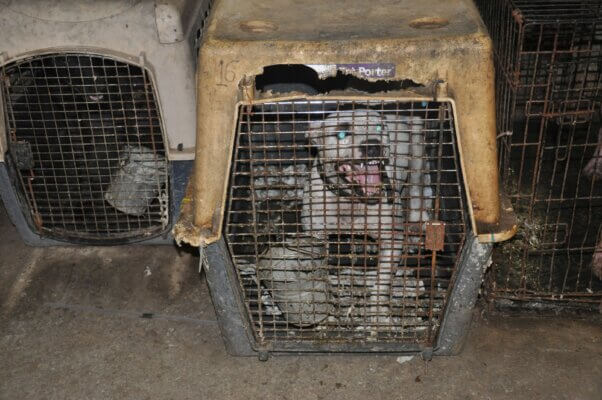
“No-kill” policies result in dangerous dogs remaining in communities, often with deadly results. A resident reportedly tried to surrender dogs to Lubbock Animal Services, a Best Friends partner, saying that “he could not care for them and keep them secure,” but the facility refused to take them in without an appointment. Two days later, the dogs attacked and killed an 88-year-old woman in her own backyard.
Animals’ Best Interests Conflict With Best Friends’ Interests
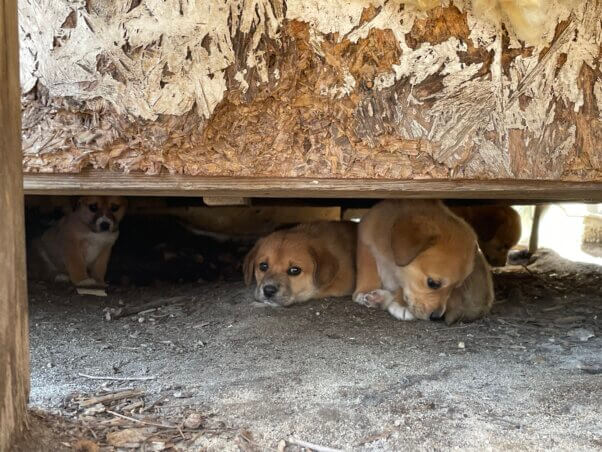
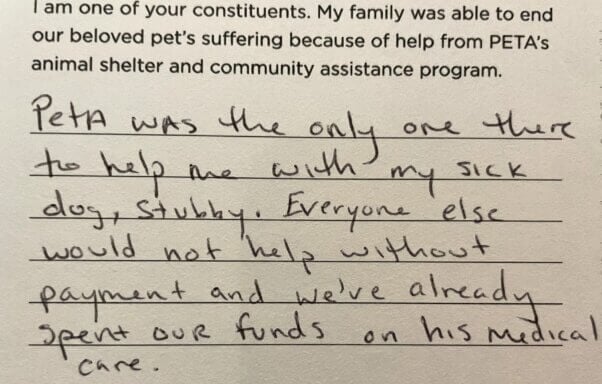
Animals need shelters that accept all without restrictions, waitlists, fees, or other barriers. PETA’s shelter doors are open to animals who are dying and need a painless end, victims of accidents, animals turned away by other shelters, and every other needy soul. We do not shy away from euthanasia when that is the humane and realistic option for an animal. We also provide information, resources, and support to help other shelters stand strong against pressure to enforce harmful “no-kill” policies. A growing number of shelters and cities, including Augusta, Georgia; Bentonville, Arkansas; Danville, Virginia; and Fort Wayne, Indiana, have stood up for the animals they serve and refused to bend to Best Friends’ bullying.
What You Can Do
Learn the facts and stand firmly against misnamed “no-kill” policies that lead to slow-kill: more births, more abandonments, and more suffering.
Note: Photos used to depict overcrowding at shelters.