
Help Us Stop the Clock: Corky Is the Longest-Held Captive Orca in History
On the stormy night of December 11, 1969, around 9 p.m., a family of orcas swam into Pender Harbour, British Columbia, possibly seeking shelter from the rough weather. With the storm as their cover, men in boats surrounded the family, dropping nets into the water to capture six young orcas from their family and native home. Their mothers’ desperate calls and the calves’ frightened squeals were the last communication between these orcas and their family in the ocean. Now, all but one of these abducted orcas are dead. Corky, the sole survivor, at an estimated 60 years old, is the longest-held captive orca in history. With each passing second, her time imprisoned grows. How long has Corky been held captive?
Counting up from approximately when the boats arrived and abducted Corky from her home, this clock tracks how long Corky has been held prisoner. Help us stop the captivity clock by urging SeaWorld to release Corky—and all orcas held prisoner at its facilities—to seaside sanctuaries.
What Happened to Corky the Orca?
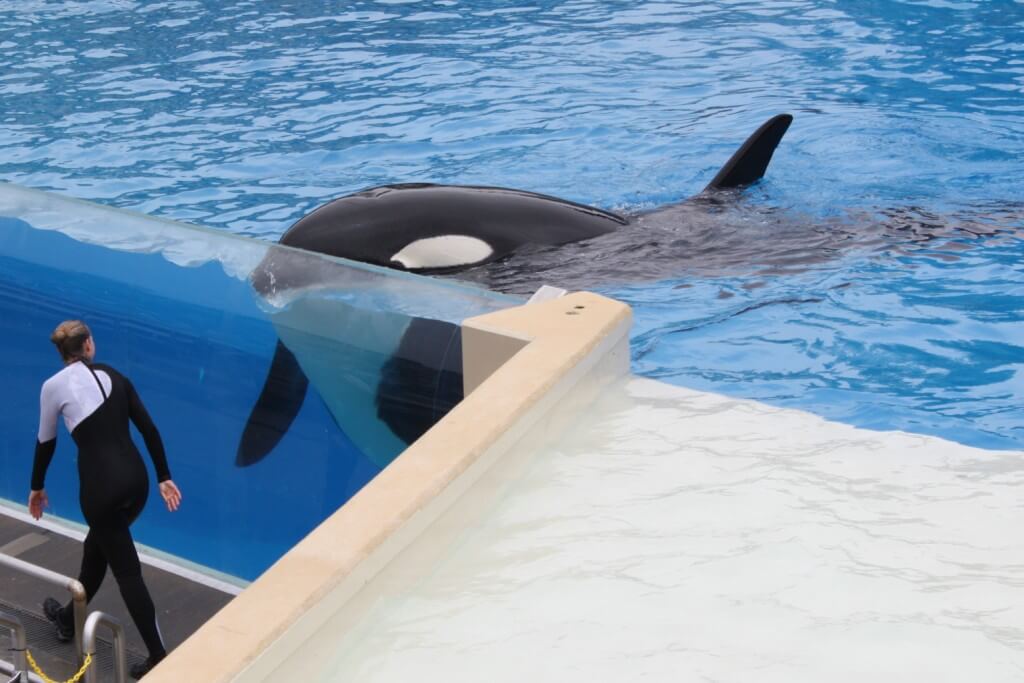
She was only about four years old when she was kidnapped in 1969. She was sold into the entertainment industry, where she was forced to live in a concrete tank at the now-defunct Marineland of the Pacific near Los Angeles, where they called her Corky.
From 1977 to 1986, Marineland used Corky as a breeding machine and bred her with her cousin six times. None of her babies lived past 47 days.
In 1987, she was transferred to SeaWorld San Diego, where her last pregnancy ended in a miscarriage. Her dead baby was found at the bottom of a tank.
Had any of her calves survived, they likely would have been taken from her—shipped to another park to make a buck. From the minute humans abducted her from the ocean, Corky’s life has been full of confusion, pain, and death.
Where Is Corky Today?
Today, Corky is still locked inside one of SeaWorld San Diego’s tiny tanks, where she’s been for nearly 40 years, swimming in endless circles.
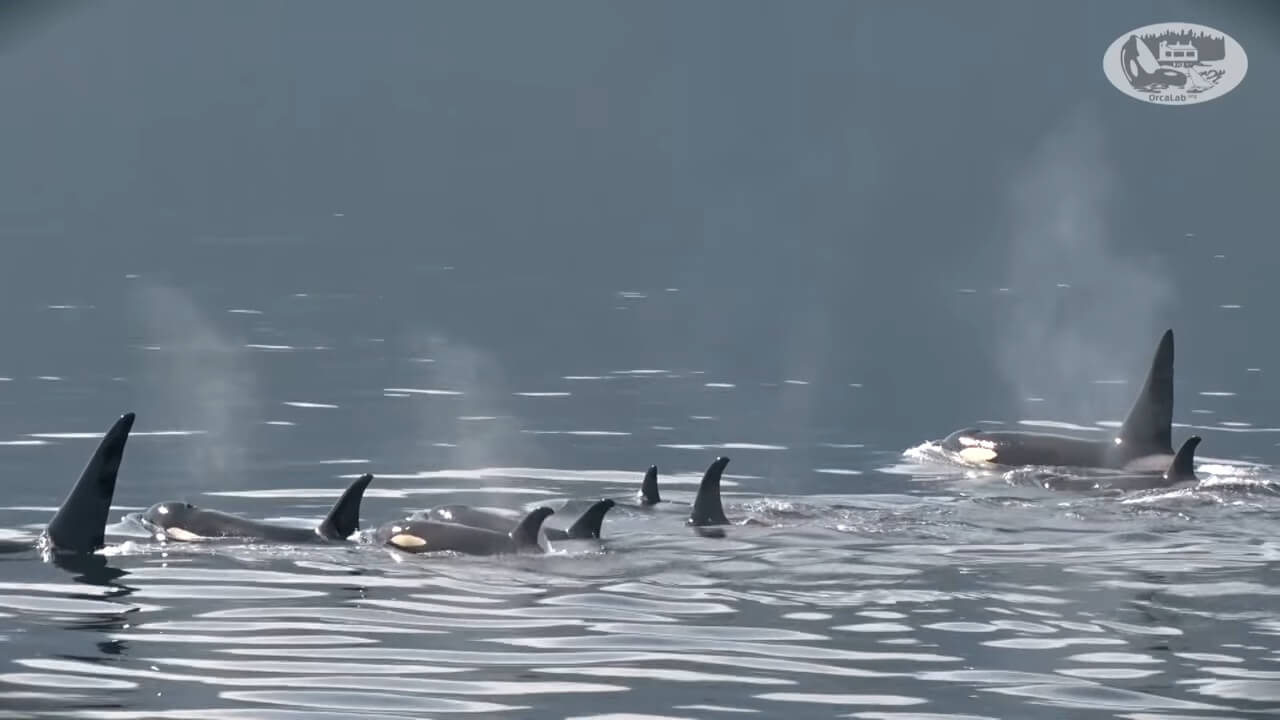
Other orcas from her pod, including her siblings Fife and Ripple, still visit the ocean water off the coast of British Columbia. There, a team of experts has identified an area to build a seaside sanctuary so that Corky can finally return home to familiar ocean waters. If released to a sanctuary there, Corky could have an opportunity to communicate with her biological siblings.
How You Can Help Corky
So long as the clock is ticking, Corky’s life can still change for the better. Take action to urge SeaWorld to release Corky to a seaside sanctuary, where she can enjoy some semblance of the natural life she’s been denied for so long.