
Why Emu Oil Is Cruel and How It’s Extracted
Some people rub emu oil on their skin, hoping for a miracle, without realizing it’s the product of a bloody industry that slaughters sensitive birds and strips them of their fat, flesh, skin, and feathers. Before you fall for phony skincare advice, learn where emu oil really comes from, why it’s cruel, and what to use instead.
How Farms Exploit Emus for Their ‘Oil’ (Fat), Feathers, and Flesh
When given the chance, emus spend their days roaming, foraging, raising their children, and exploring the vast grasslands, woodlands, and open plains of Australia. On farms, these social, curious birds endure a lifetime of deprivation before humans slaughter them for their fat to produce emu oil—all so the skincare industry can peddle it to misguided consumers.

Farms torment emus with the following:
- Severe confinement. Farms often confine emus to severely crowded, unhygienic conditions, where they are denied the ability to roam and socialize meaningfully, or do anything else that is natural or important to them. Free-roaming emus are highly active, often traveling in pairs or groups to cover great distances. These intelligent birds suffer severe distress, frustration, and chronic boredom in cramped, barren enclosures. Often forced to live in their own waste, emus on farms have a high risk of contracting and spreading deadly illnesses and diseases. Many birds suffer from panting, bodily swelling, coughing, and lameness.
- Breeding. Some farmers choose to forcibly manually impregnate female emus by inserting a “semen straw” inside them to deposit semen.
- Parental separation. Emu fathers stay with their chicks for up to two years, nurturing them, protecting them, and teaching them how to search for food and other important survival skills.Farms tear baby emus from their parents right after they hatch, depriving them of this crucial bond.
- Mutilation. Because the stress of confinement on farms can lead to aggression and injury, farmers typically cut off the tips of emus’ toes with a hot blade—often without any pain relief—when they are just a day old. This extremely painful mutilation—known as “declawing”— is a standard industry practice, essentially done to make confining and transporting emus more “manageable.”
Even if emu oil doesn’t come from a factory farm, it’s still a product of exploitation—there is no such thing as “humanely” slaughtering an animal for their body parts.
How Emus Are Slaughtered for Oil
Emus have a natural lifespan of up to 10-12 years, but in the emu oil industry, they are typically killed before they are two years old. Before they even reach the slaughterhouse, emus endure a terrifying journey on a transport truck in extreme weather conditions and without food or water.
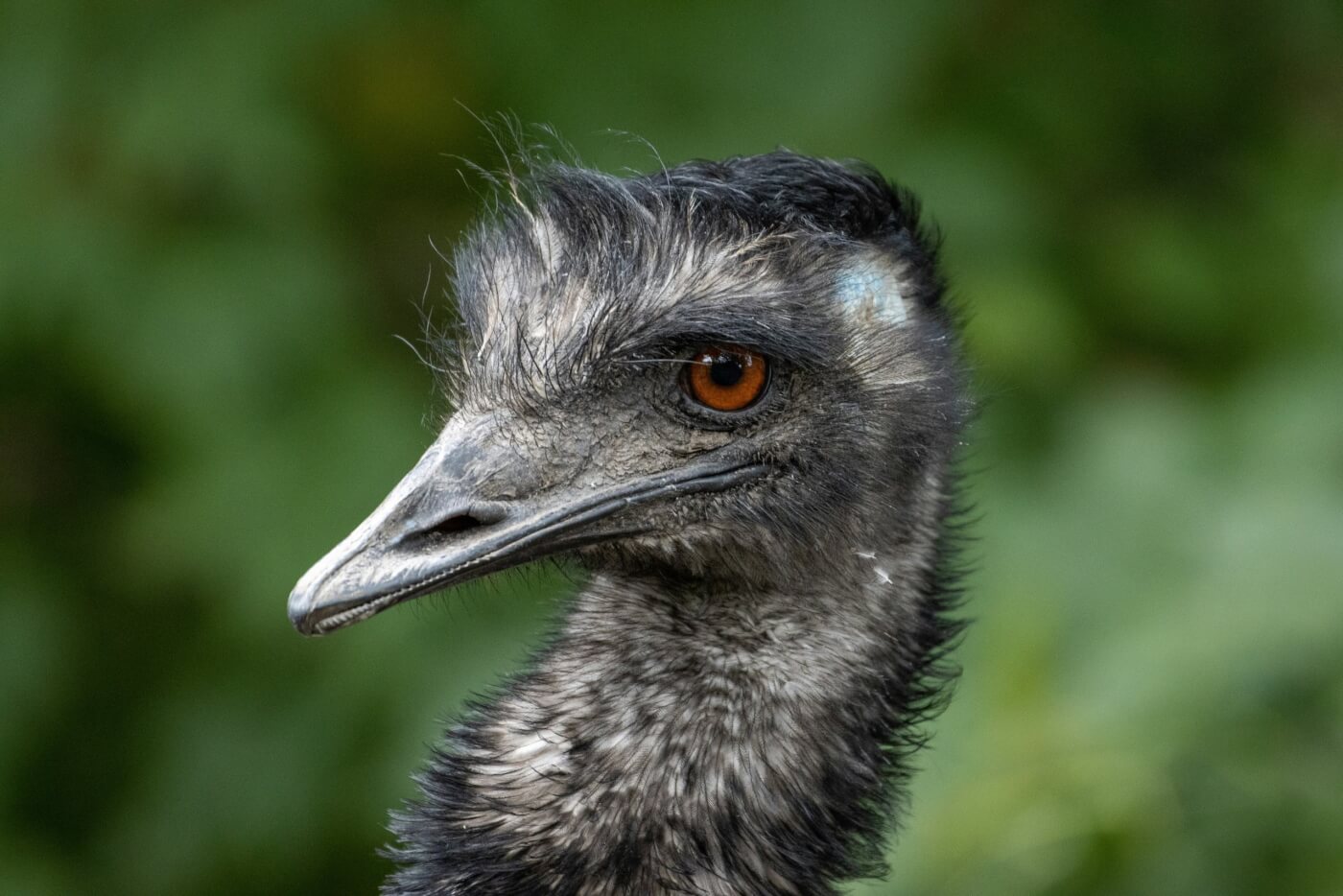
At slaughterhouses, workers typically stun birds by electrocuting them or shooting them with a captive bolt gun. Emus can remain conscious when their throats are cut, forcing them to suffer as they slowly bleed out.
What to Use Instead of Emu Oil
Emus have feelings, complex relationships, and unique personalities—they do not want to be killed for a fleeting skincare fad. Plus, there are plenty of vegan and cruelty-free oils that offer moisturizing, anti-inflammatory, and skin-nourishing benefits without harming animals. Cruelty-free jojoba oil, argan oil, and rosehip oil are great options to try for psoriasis and eczema, while hemp seed oil and shea butter are said to soothe inflammation. Of course, if you have a medical skin condition, check with a professional for treatment options—but whenever you can, make kind choices.
Suffering Isn’t Skincare
YOU can be an ally to animals by always choosing beauty products that are vegan and cruelty-free, meaning they aren’t made with any animal-based “ingredients” or tested on animals. Check out PETA’s comprehensive database to see if a product is animal-friendly:
Text VEG to 73822 to get the latest vegan lifestyle tips, recipes, and urgent action alerts texted right to your phone.
Terms for automated texts/calls from PETA: https://peta.vg/txt. Text STOP to end, HELP for more info. Msg/data rates may apply. U.S. only.



To understand why so many brands are nixing mohair, you have to watch this footage.

Many people report fewer reflux symptoms after going vegan. If you’re still experiencing heartburn, a few simple adjustments could make a difference.

If your phone keeps winning, this bag gives your hands a better plan—plus a small way to show up for animals.

Whether you’re lounging at home, running errands, or meeting up with friends, the Blondita x PETA Friends of Animals Club collection is the perfect fit!