

What Fruits and Veggies Can Cats Eat? Check Out PETA’s Guide
Sharing food with friends and family is a universal love language, so it makes sense that guardians are tempted to share their meals with animal companions. If you’ve ever wondered, “Can I share my food with my cat?” we have good news! In moderation, many “human foods” are safe for cats, and some are even healthy treats.
While giving them a bite of whatever you’re eating is tempting, knowing what foods are good for cats and what could be harmful is essential.
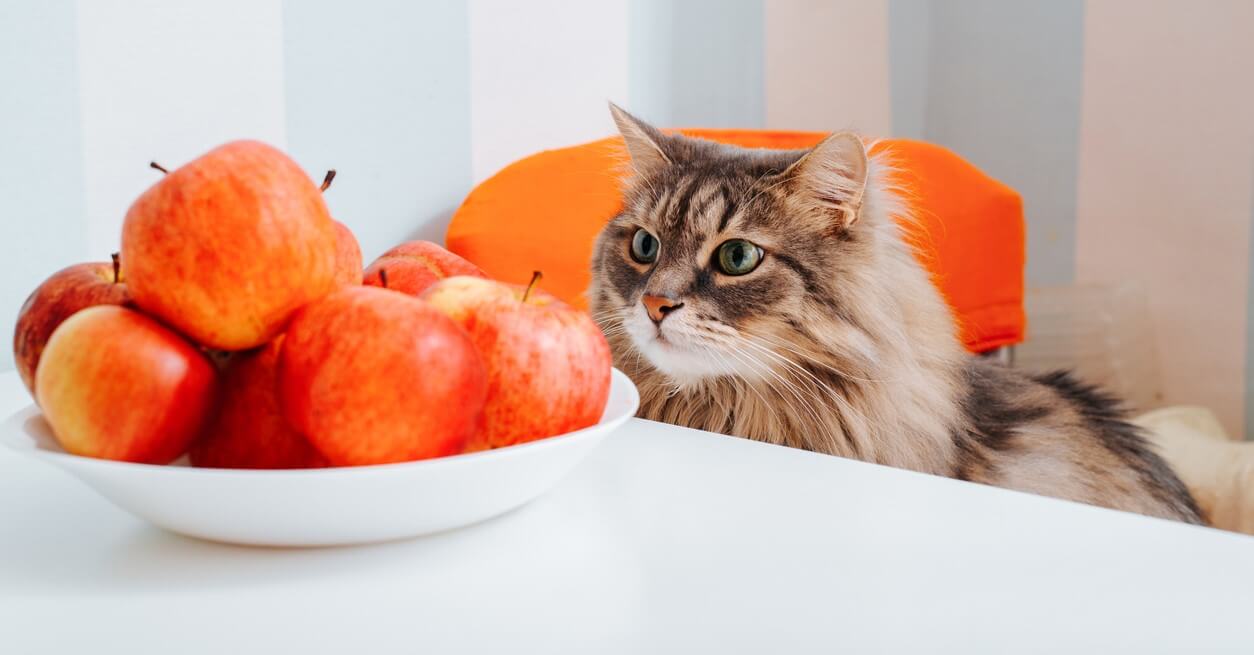
The Ultimate Guide to ‘Human Foods’ That Are Safe for Cats
What Vegetables Are Safe for Cats?
Vegetables are low in calories and can offer fiber, vitamins, and a bit of crunch. Serve them steamed or finely chopped so they’re easy on your cat’s stomach.
- Pumpkin is excellent for digestive health thanks to its fiber content. Use plain canned or cooked pumpkin—no sugar or spice.
- Carrots are rich in beta-carotene and fiber. You can serve carrots cooked and soft to avoid choking hazards.
- Green Beans are packed with fiber and low in calories. Green beans can be a great snack—make sure they’re plain and either cooked or chopped.
- Broccoli is full of antioxidants and fiber. Some cats enjoy this cruciferous veggie steamed or lightly cooked.
- Cucumber is hydrating and has few calories. Bonus: Its crunchy texture can be fun for cats.
- Spinach is nutrient-dense and full of iron, but it is best to avoid it if your cat has urinary issues, due to its oxalate content.
What Fruits Are Safe for Cats?
Cats don’t taste sweetness, but the scent, texture, or water in fruit can still be appealing. Always remove seeds and rinds before offering fruit to your feline family member.
- Blueberries are high in antioxidants and safe to give whole or mashed as an occasional treat.
- Cantaloupes are a favorite among felines because of their tasty-smelling amino acids. Cantaloupes are hydrating and rich in vitamins A and C.
- Watermelon is safe without the seeds or rind. Cats might enjoy its juicy texture in hot weather.
- Strawberries are rich in vitamin C, fiber, and antioxidants.
- Raspberries are low in sugar and full of fiber. They can be a fun, tangy treat—but only offer your cat a few in any one day.
- Apple (or Unsweetened Applesauce) is a good source of fiber and vitamin C.
- Bananas are high in potassium, but should be a rare treat due to their high sugar content.
What Grains Are Safe for Cats?
Cats don’t need grains in their diet, but can eat them in small portions. Always serve grains plain and fully cooked.
- Oats are rich in fiber, protein, and are easy to digest when cooked. Cats may be drawn to their soft texture.
- Bread, offered in tiny pieces, is safe for cats but has little nutritional value. Be sure the bread is fully cooked and avoid seasoned, oiled, or sweetened loaves.
Learn More About How to Make Your Cat Happy
Cats are curious individuals with unique desires and preferences, so don’t be offended if they turn their nose up at the foods you offer them. Finding out what they like—or despise—can bring you closer together.
Be sure to introduce them to new foods in moderation and always consult your vet before making significant dietary changes.
To learn more about your feline family member’s needs, desires, and quirks, check out the 250 Vital Things Your Cat Wants You to Know:
And while you’re treating your best bud to a tasty treat, help a cat in need:
Text VEG to 73822 to get the latest vegan lifestyle tips, recipes, and urgent action alerts texted right to your phone.
Terms for automated texts/calls from PETA: https://peta.vg/txt. Text STOP to end, HELP for more info. Msg/data rates may apply. U.S. only.


A lawsuit alleges hundreds of animals were hidden from inspectors for years.
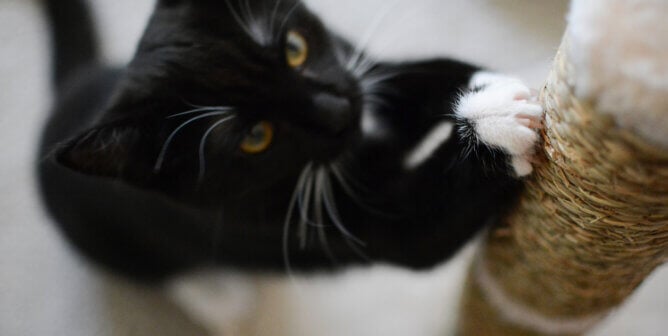
Learn how regular nail trims, scratching posts, and never declawing keep cats healthy and happy.
From a breeding cage to a loving home, Bonnie and Clyde’s transformation will warm your heart.

PETA is urging prosecution of a former animal control officer at this Best Friends partner shelter in Georgia.