You’ve heard the fairytale version, but this summer, PETA fieldworkers found three real-life little pigs living like this 👇, unable to escape from the cramped, flooded pen they were trapped in. So what did our Community Animal Project (CAP) staff do? They made three little pigs’ fairytale dreams come true.
With the owner’s permission, our fieldworkers transported these pigs to a wonderful new home, one where they can enjoy open spaces, foraging, and real living.
These pigs are just three of the hundreds of animals PETA helped this summer. Keep scrolling to meet a few others CAP rescued during July, August, and September:
Saving Lives Through Prevention and Giving Guardians Like Lily’s Something to Smile About
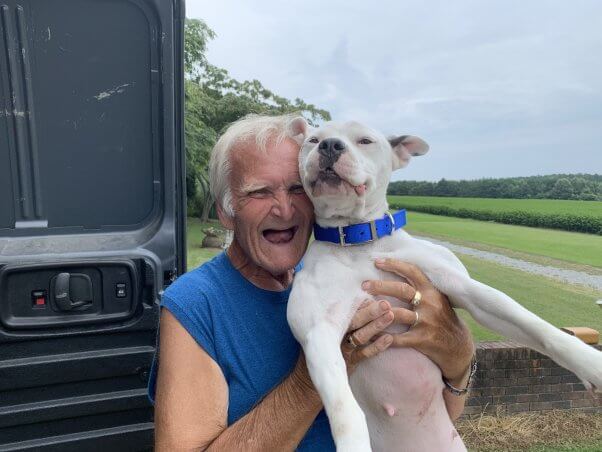
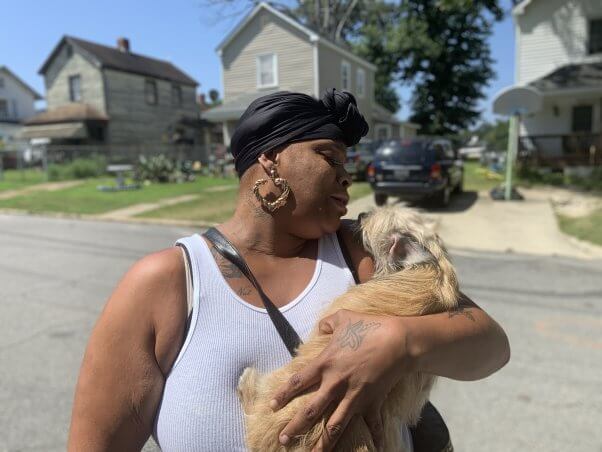
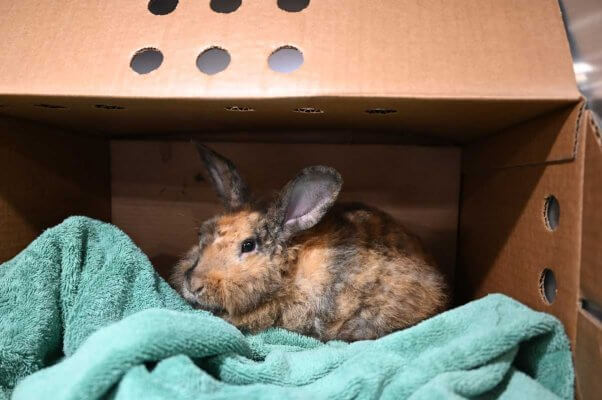
Last quarter, the veterinary staff of our mobile spay/neuter clinics sterilized thousands of animals, including Bella Mae (below) and Lily (above), who were among the hundreds of animals we transported for free to and from their no-cost spay/neuter appointments. Bella Mae’s grateful guardian stares adoringly at her best friend after a spay surgery. After animal control removed more than 150 rabbits from the home of an overwhelmed local woman, PETA teamed up with two other shelters to sterilize and address the veterinary needs of the remaining animals on the property. Our mobile clinics staff spayed and neutered 12 rabbits, including this one, at no cost to their owner. Many of our sterilization surgeries and other services are performed free of charge for indigent families.
Twenty years ago, PETA’s Mobile Clinics Division was born—and this year, it celebrated the sterilization of 194,000 animals and counting. Thanks to the steadfast support of our wonderful members and supporters, our mobile clinics will continue to offer low- and no-cost spay/neuter surgeries, helping to prevent the births and inevitable suffering of hundreds of thousands of unwanted dogs and cats in Virginia and North Carolina.
Young Hazel and Hundreds of Other Animals Were Given a Chance at a Better Life
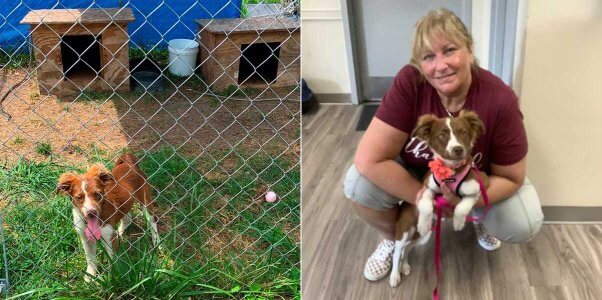
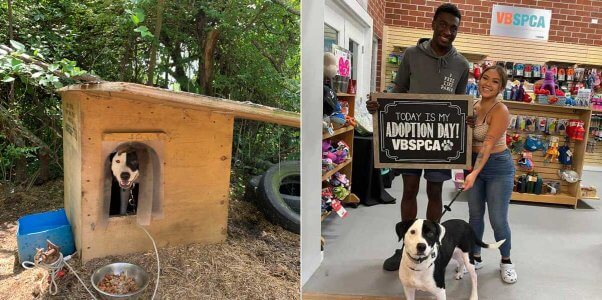
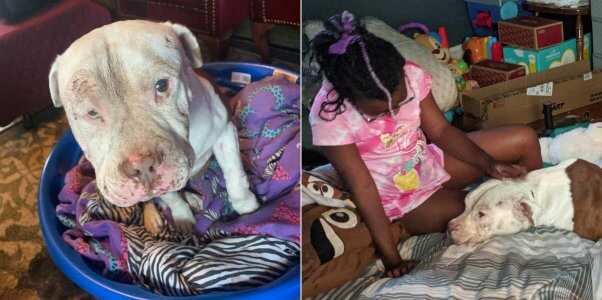
Hazel was kept in an outdoor pen (left) until PETA fieldworkers talked to her owner about giving her a chance to join a family who would welcome her into their hearts and home. Hazel was relinquished to PETA, and we transferred her to the Norfolk SPCA, where she was quickly adopted (right). After years of visits and persistence by PETA fieldworkers, Snoop is no longer condemned to a lonely existence tethered outside (left). We transferred him to the Virginia Beach SPCA, one of our partner shelters, where he was adopted (right).
For Humans Who Needed Help Keeping and Caring for Their Animal Companions, PETA Was There, Too
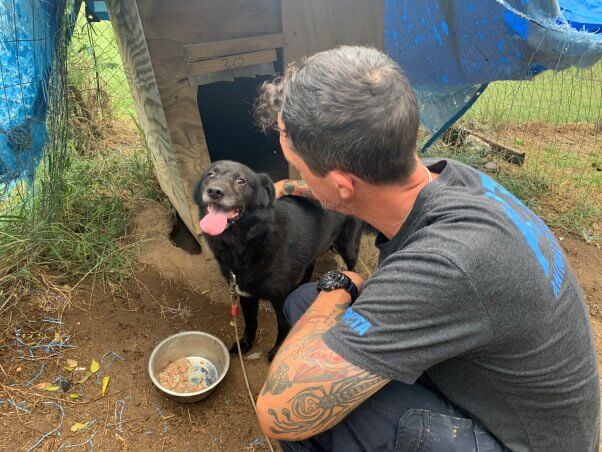
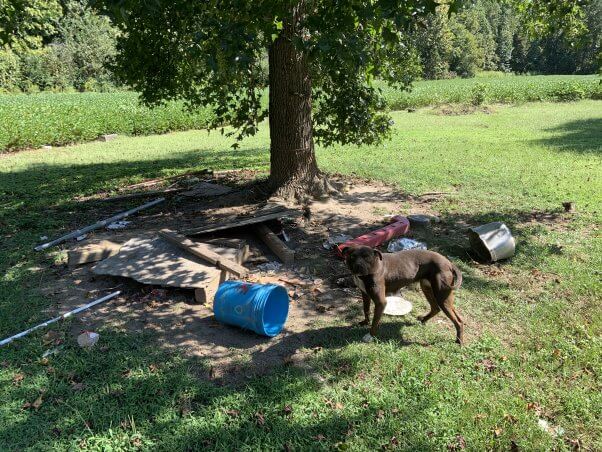
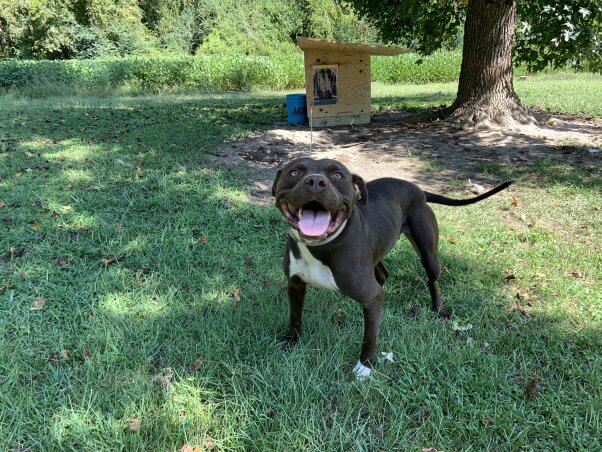
One of the hundreds of requests for assistance that we received this quarter was for Zuul, who was chained outside and unable to escape when another chained dog broke loose and attacked him. We responded right away to the family’s call for help. Our mobile clinics staff cleaned and treated his wounds, in addition to neutering him, all at no cost. Zuul—now living indoors—is recovering well. His family is among the nearly 300 PETA helped to keep their animal companions in July through September alone. PETA fieldworkers continued to help animals like Blackie (above) by ensuring that they had access to food, water, shelter, and shade. We also gave away free bags of kibble, administered treatment for parasites, trimmed nails, repaired doghouses, provided water buckets, and replaced short, heavy chains with 15-foot lightweight tie-outs. Lady had been chained amid trash, without any shelter to protect her from the elements … … until she became one of the two dozen “backyard dogs” who received new wooden doghouses from PETA last quarter.
To learn more about the ways PETA fieldworkers make the world a more compassionate place for companion animals, check out Breaking the Chain.