Living in Harmony With Wild Rabbits
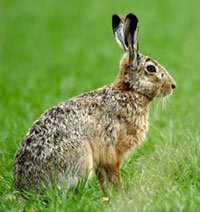
Rabbits are some of the most adored and benevolent creatures to grace our back yards and meadows. Their long, pink ears, powerful hind legs, black button noses, and cotton tails give them their distinctive, cuddly appearance and have made them the subject of childhood fables over the course of several centuries.
During warmer seasons, rabbits will eat weeds, grasses, clover, wildflowers, and flower and vegetable plants. When the weather turns cold, rabbits will munch on twigs, buds, bark, conifer needles, and any remaining green plants.
Rabbits are famous for their ability to reproduce. They can have several litters of four to seven kits a year. However, rabbits will naturally have fewer litters or will have litters with fewer kits when food or water is scarce. Wild rabbits have relatively short life spans (typically, less than two years), but they mature quickly and have short (30-day) gestation periods. Their mortality is based on food availability, predator presence, and weather stability.
Rabbits are altricial—which means that they are born hairless, blind, and helpless. Mother rabbits leave newborns in their nests, visiting them only at dusk and at dawn to avoid drawing the attention of predators. If you find a nest of baby rabbits unattended and want to make sure that the animals have not been abandoned or orphaned, drape a thin string across the entryway to the nest or burrow and leave the area. Return at 12-hour intervals. If the string has been moved, you can rest assured that the babies are being cared for. If the string has not been moved in more than 24 hours, visit our Wildlife Emergencies page to find out how to best care for orphaned rabbits. Rabbits more than 5 inches in length need no assistance unless they are sick or injured. A good rule of thumb is, if you have to chase a baby rabbit to catch him or her, the rabbit is fine!
Rabbits and hares look similar, so people often mistake them for one another. The easiest way to tell them apart is by their physical appearance. Hares’ ears are longer and, though both rabbits and hares often have brown coats, hares’ coats have black tips. Most rabbits (except for cottontails) live underground, while hares live in aboveground nests. Since their nests are often not very well hidden, young hares need to be able to evade predators. Therefore, hares are precocial—meaning that they are born with hair and the ability to see. Most hares can hop within a few hours of their birth.
- Rabbit communities can reside underground in extensive, complex, engineered burrows.
- When being chased, rabbits will run in zigzag formations to confuse, rather than outrun, their predators.
- In the spring, some types of hares are seen chasing one another and having frequent boxing matches. It was once thought that this behavior signaled competition between males. However, scientists now know that it is typically a female boxing a male. The female is either signaling that she is not ready to mate or is testing the male’s endurance and strength.
- Rabbits scope out “bolt-to” locations before choosing a grazing location. Rabbits in open fields or yards will sit perfectly still to avoid their predators and bolt to their predesignated area when alarmed.
- In arid areas, some rabbits are known to climb sloping tree trunks or limbs to access green or dew-laden vegetation.
- Rabbits produce two types of droppings—one is a hard, light-colored pellet made of feces, and the other is soft, dark, undigested food material. To gain nutrients from undigested food, rabbits will re-ingest these droppings to further digest the material.
While many people love to watch these furry animals graze on weeds and clover in their yards, some people are not fond of rabbits’ tendency to chew on garden or landscaping plants. Humane, effective solutions to perceived human-wildlife conflicts target the things that animals are attracted to in a particular area rather than the animals themselves. Killing or removing the rabbits is not necessary and, in most cases, not possible. In most cases, site aversion and exclusion methods alone will quickly solve any perceived issues.
- Make sure the animal you suspect is inflicting damage is indeed a rabbit: Rabbits have upper incisors, so plants they have browsed can be identified by their smooth, clean-angled, neatly clipped appearance, while plants browsed by deer appear ragged and torn. Rabbits also leave pea-sized, light-brown droppings scattered around the area. If you aren’t certain what type of animal is visiting your yard or garden, the best times to watch for rabbits are during dusk and dawn.
- Make the area undesirable: Plant or scatter lavender or catnip around affected areas. Planting marigolds is also an effective way to keep rabbits away from flowerbeds in some areas. Frightening devices might bring comfort to property owners, but they will do little to reduce the chances that a rabbit will choose to graze in your yard.
- Exclude animals from the area: After you have used the above methods to discourage rabbits from frequenting the area, the best way to further prevent these animals from causing unwanted damage is to install a well-constructed fence around the plants and trees that you wish to keep intact. To construct the fence, string 2-foot-tall chicken wire around the plants and support it with posts or stakes. Dig the stakes and chicken wire 6 to 8 inches into the ground to prevent the animals from burrowing underneath. To protect new growth, place blue tubes, chicken wire, or hardware cloth around the base and cover limbs using hardware-cloth cylinders. Remember to account for snow depth when considering what twigs will be accessible to rabbits throughout the season. If you plan to prune your trees, leave the twigs on the ground so that rabbits will choose to eat them rather than the bark.
- Never relocate a rabbit: Rabbits spend most of their short lives within the same 10-acre area. Relocating rabbits confuses them, causing them to get hit by cars or to be killed by predators. They can also contract diseases from or spread diseases to other rabbits already residing in the area. Relocated rabbits might also have difficulty finding adequate food and water sources or shelter during extreme weather. For these same reasons and many others, never release a pet rabbit into the wild. If you need to find a new home for your pet rabbit, please take him or her to a local animal shelter or rabbit protection group, such as the House Rabbit Society (rabbit.org).
- Lethal methods are ineffective and unnecessary for controlling property damage or rabbit populations. It is easy to live in harmony with resident rabbits if you use the methods described above to prevent unwanted damage to plants in specific areas, because rabbits will simply choose to dine on weeds, overgrowth, and other undesirable plants instead.
Urgent Alerts
Let the event organizers and officials in the following cities know that you’re appalled by their support of this carnage. Urge them to scrap the events and leave these animals in peace.
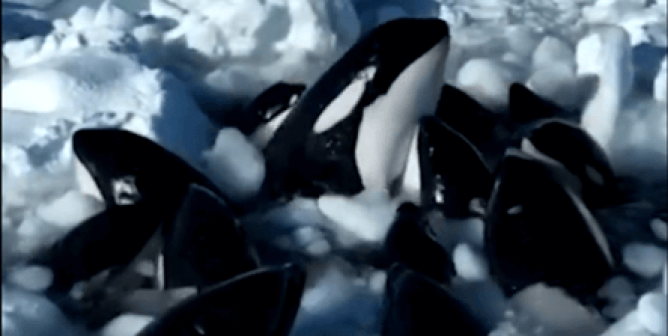
Update (February 7, 2024): Thank you to everyone who contacted officials in Japan regarding the group of orcas who were trapped in thick sea ice. News sources now report that some of the ice melted or shifted enough that the orcas were able to escape! These magnificent animals are now free to live as nature … Read more »