
State and County Fairs: Not Fair to Animals
The state- and county-fair circuit is rife with exploitative animal displays. Animals suffer tremendously when they are carted from town to town, and they live in a state of discomfort, frustration, depression, and anxiety.
Constantly on the move, exhibitors rarely take the time to rest and exercise animals, and sick and injured animals often go without veterinary care. Please read below for information about the different types of animal exhibits that are featured at fairs. If you encounter any of these cruel displays and see an animal in distress, please contact your local authorities immediately.
Animals as 'Prizes'
Most fairgoers quickly tire of their goldfish, rabbit or iguana “prize” and the animals often end up abandoned and left to die or thrown in the trash.
Big Cat Photo Sessions
Booth operators at these state and county fairs perpetually breed big cats to draw paying customers. Once they grow too large to be safe, older animals are often left at roadside zoos or sold into the exotic-pet industry.
Three 11-day-old tiger cubs died when exhibitor Craig Perry, operator of Perry's Exotic Animal Petting Zoo, used them in photo sessions. Although Perry knew the cubs were sick, he did not provide them with veterinary care. Since 1990, more than 200 dangerous incidents that involved big cats have been reported.
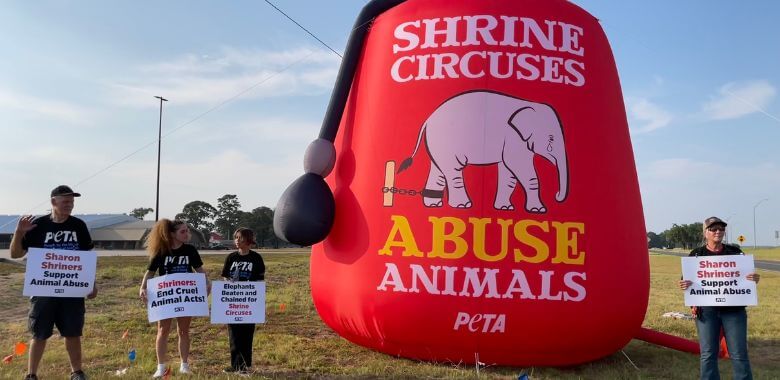
Elephant and Camel Rides
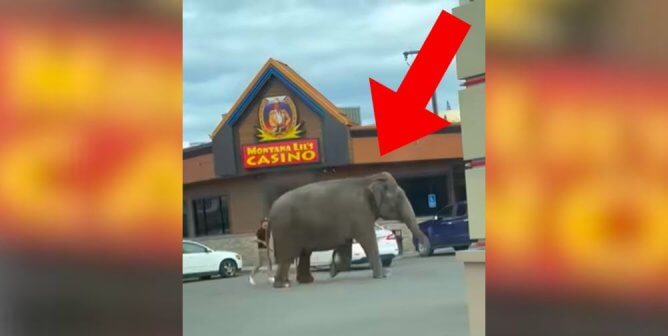
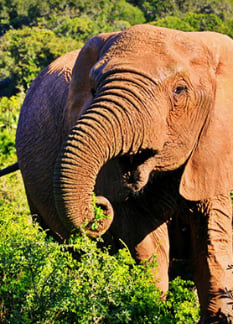
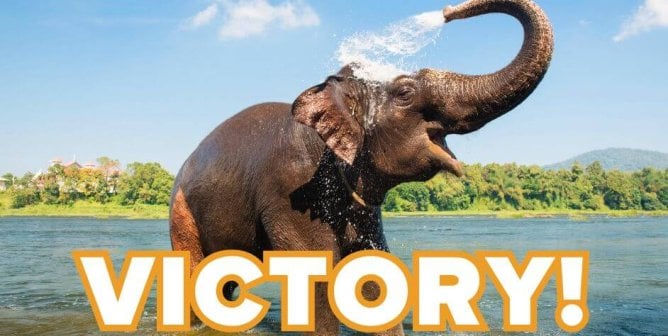
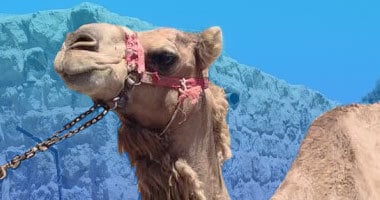
Life on the road for elephants is a profound contrast to the lives of elephants in the wild. Elephants are highly social animals who live in matriarchal herds. They are protective and caring, and they travel together as families. Captivity-induced health problems, such as foot diseases and arthritis, are common and life-threatening. Camels, too, are free-roaming animals who are confined to transport trailers and small pens, despite their imposing size. People also risk contracting brucellosis, ringworm, and tuberculosis from close interaction with camels.
Exotic Animal Shows
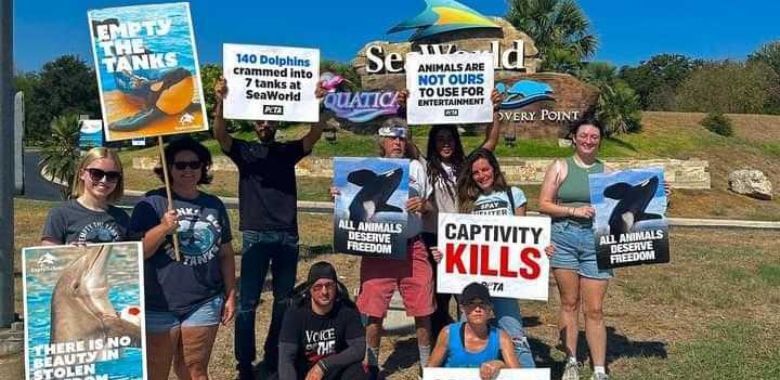
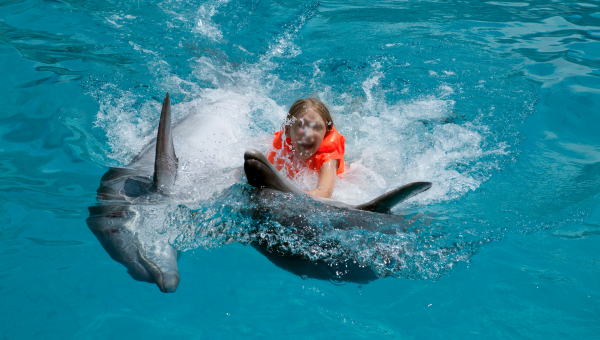
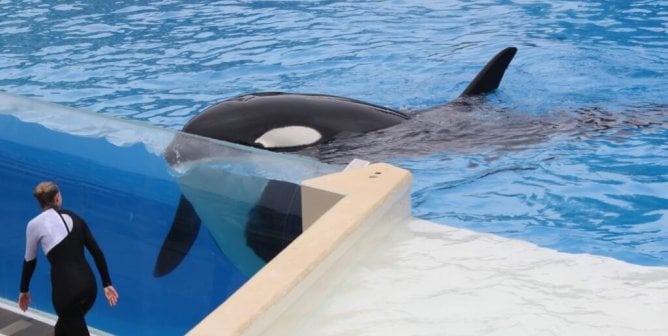
Exploitative shows, such as "Sea Lion Splash" and dancing-bear shows, portray intelligent animals as silly clowns.
The acts that these animals are forced to perform are demeaning, and trainers often employ cruel behind-the-scenes training techniques—such as beatings and food deprivation—to force animals to perform tricks that are unnatural, frightening, and even painful.
4-H and Agricultural Displays
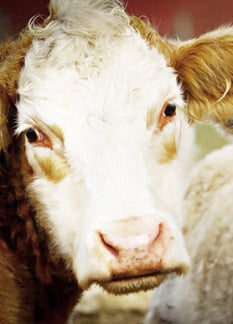
The young boys and girls who participate in these events often don't know that the animals they raised and love will be slaughtered for monetary gain.
Mouse or Rat 'Roulette'
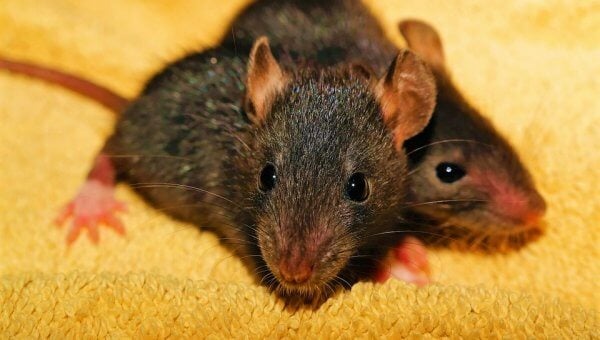
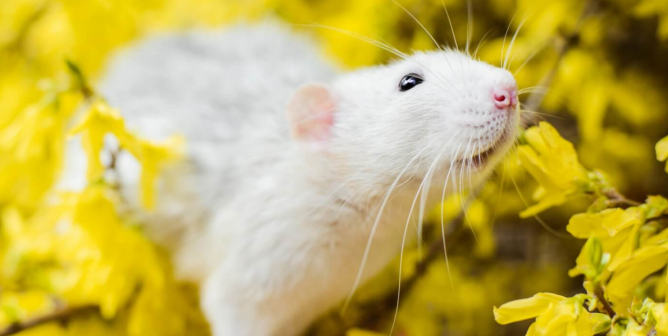
Small rodents—such as mice, rats, and gerbils—are placed on a roulette-style wheel, which is then spun. Dizzy and reeling, the animals eventually drop into a hole on the board. People who placed their bets on the number that the animal drops into "win" a prize.
Petting Zoos
The animals in petting zoos are hauled around in tractor trailers, confined to small pens and cages, and forced to interact with large crowds of people. The animals are never given relief, and they develop health problems from this forced interaction.
Pony Rides
Tethered tightly to turnstiles and forced to plod in endless circles, ponies can suffer from hoof ailments and are often left sore and chafed from ill-fitting equipment. Ponies are not protected by the federal Animal Welfare Act, and when local or state authorities fail to intervene, the outcome could be fatal.
Racing or Diving Pigs and Greased Pig Contests
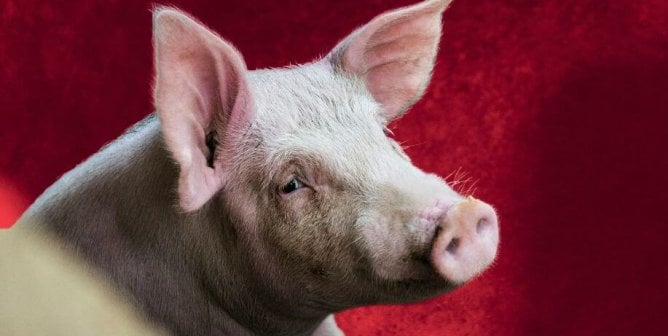
These highly intelligent and sensitive animals, who are sometimes young and still developing, endure mishandling, noise from crowds, and blaring music during these contests. Spectators at these events, especially children, often do not know that most of the pigs are sold for slaughter at the end of each season.
Rodeos
Unfortunately, rodeos—a violent spectator "sport"—are a staple at many state and county fairs in the West and the Midwest.
Normally gentle animals, such as horses and calves, are provoked with spurs, tail-twisting, electric prods, and straps cinched tightly around their abdomens to make them buck and run wildly around the arena.
What You Can Do
If you see cruelty to animals at any state or county fair, don't hesitate to take action. Anyone can file a cruelty-to-animals complaint and ask for a humane officer to come check on an animal.
Visit PETA's Action Center to read about more ways to help animals.
Forward this to friends.