






return to peta.org
Bunny Fever-Don't Catch it! Bunny Fever-Don't Catch it!
bunny As sure as the sun rises every Easter morning, many moms and dads give in to "Easter bunny" temptation and buy a rabbit for their kids, vastly underestimating the amount of care that bunnies require. Weeks later, when "bunny fever" has subsided, many will consign now-unwanted bunnies to outdoor hutches, dump them at animal shelters, or simply set them free outdoors, where they will starve or be killed by predators. Most will end up dead or abandoned before their first birthday.
Kids Begging for an Easter Bunny? Ask Yourself This
  • Are you ready to possibly shell out more than $100 to get bunny neutered or spayed? Bunnies become sexually mature between 4 and 6 months of age. Left intact, they often chew, spray, bite, smell, and make more bunnies.
  • Are you looking forward to more potty-training and bunnyproofing? Bunnies suffer horribly in cages and must be litterbox trained so that they can live happily in your home, but if your home isn't rabbitproof, they will sharpen their teeth on electrical wires, house plants, or your new IKEA chaise or oak table.
  • Is your child planning on taking bunny to college? Bunnies can live to be 10 years old, so you're looking at a commitment that will last for many Easters to come.
  • Rabbits must be brushed regularly because they shed like crazy and are susceptible to hairballs; if they get one, they can't cough it up like cats do. They have to be taken to the vet and treated (possibly even operated on) or they'll die.
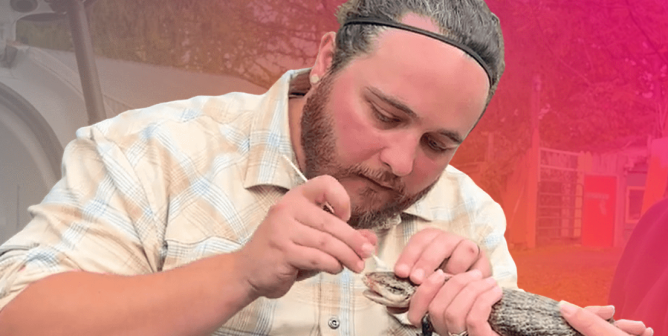
  • Do you like playing beauty shop? Clipping nails is no walk in the park, especially when Thumper tries to thump you in the stomach with his powerful back legs!

If you answered, "No way!" to any of these questions, please pass up those cute animals in store windows this Easter and choose stuffed animals instead. Remember, bunnies are not a child's toy; they are at least a 10-year commitment.
Fascinating Rabbit Facts
  • Famous for their reproductive abilities, rabbits can have multiple litters of up to nine young, known as "kittens," each year. Bunnies are born helpless in a shallow hole lined with grass and mamma's fur, but they grow rapidly and are very social animals who live together as a family.
  • Although rabbits build nests, the parents do not stick around much during the day after their kids are born since they might attract predators. The youngsters hunker down at the bottom of the nest, hiding until mom shows up for mealtimes.
  • A rabbit's teeth never stop growing! Like beavers, they are kept worn down by gnawing on food and wood. But they aren't rodents! They are called lagomorphs.
  • Normally, adult rabbits occupy about 2 acres or even more if food is in short supply.
Fascinating Rabbit Facts
Why Bunnies Aren't Suitable for Young Children
Rabbits are extremely sensitive, and the enthusiasm of even a gentle toddler is too stressful for bunnies. Rabbits are ground-dwelling animals who become frightened when held and restrained. The result? Children lose interest and the bunny is left alone in a cage or abandoned.

Click here to support PETA's work for companion animals. EO 1624 3/18/2004