Written by Heather Faraid Drennan
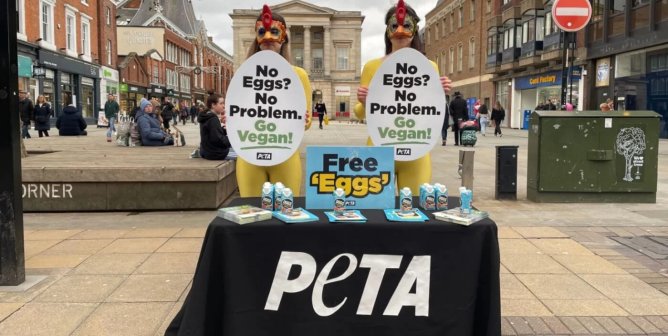
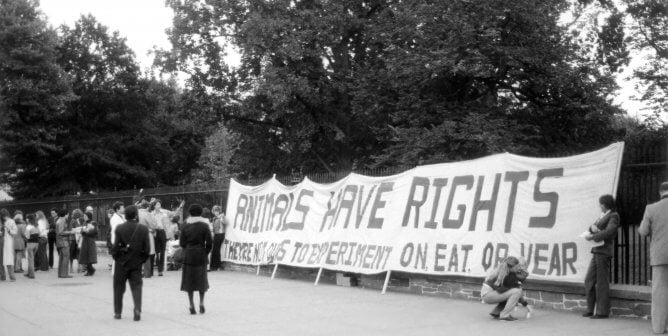
It never hurts to brush up on answers to questions about animal issues—even seasoned protesters can get a stumper from passersby now and then. See if you know the answers to the following five questions that often pop up in discussions about animal rights:
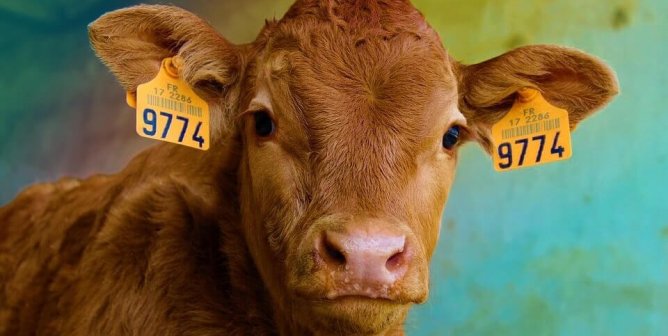
What's wrong with eggs and dairy products from "free-range" animals? There are no standards for what "free-range" means, so animals on such farms may still spend most of their time in filthy, crowded sheds. Cruel practices such as searing off hens' beaks with a hot blade and relegating male calves to veal crates occur, and when the animals stop producing enough eggs or milk, they are sent to the same slaughterhouses as factory-farmed animals.
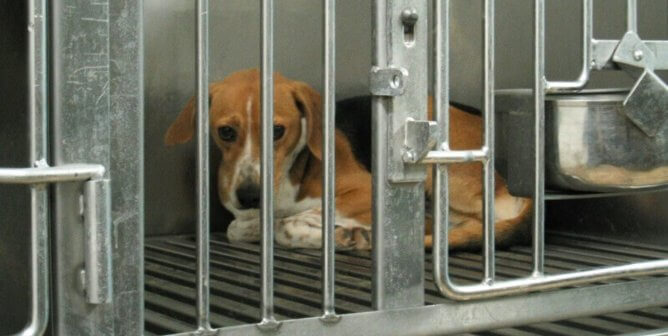
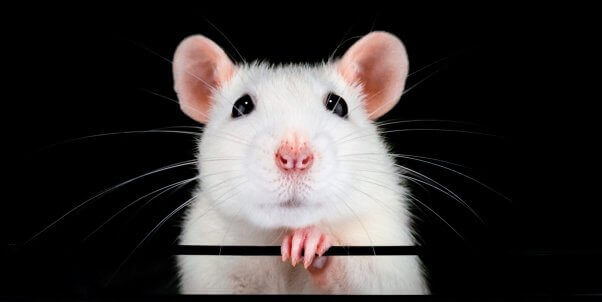
If we don't test on animals, what other methods are available? Computer simulations, cell cultures, human cadavers, and clinical trials are just some of the many options researchers can use instead of animal testing to obtain more accurate and cost-effective results.
davedehtre|cc by 2.0
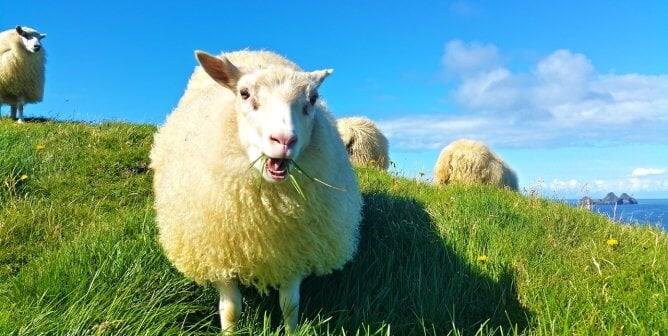
What's wrong with wearing wool? In Australia—where most of the world's merino wool comes from—sheep have been bred to have excessively wrinkled skin in order to produce more wool. The wrinkles collect moisture, which attracts flies, so many farmers resort to "mulesing," a gruesome and cruel procedure in which huge chunks of skin and flesh are cut from lambs' backsides in a crude attempt to prevent flystrike.
Should we put endangered animals in zoos? Endangered animals bred in zoos are rarely released into the wild. Instead, they will spend their lives "warehoused" in cramped enclosures that cannot come close to replicating their natural habitats. As a result, many develop stereotypic behaviors such as pacing, rocking from side to side, and self-mutilation. The only humane and effective way to combat extinction is to protect animals' habitats.
What's wrong with using a choke or prong collar on my dog? As their names imply, choke and prong collars inflict discomfort and pain, and they can severely injure dogs' necks and throats. Far safer and more humane options are no-pull harnesses and halters like the Easy Walk, Halti, or even a standard figure-H harness. For cruelty-free dog-training tips, check out celebrity dog trainer Tamar Geller's video series for PETA.
Have another animal rights question that you've always wondered about? Visit PETA's Frequently Asked Questions page.
Written by PETA
There's nothing chic about mutilating sheep, and the Australian wool industry's efforts to make the sweater set appeal to the younger set via its Facebook page have hit a snag. After PETA asked its supporters to post photos from our "We ♥ Sheep" album, which show the unlovely cruelty behind the wool industry's "We ♥ Wool" page, the page was shut down!
The wool industry is notorious for mutilating millions of gentle lambs every year with "mulesing," a crude and cruel attempt to prevent a maggot infestation known as "flystrike." Farmers cut huge chunks of flesh—not just skin—from lambs' backsides, usually with little or no pain relief. In agony, the mulesed lambs scuttle sideways like crabs, and the deep wounds can take weeks to heal, often becoming infected before they do.
You can help save sheep's skin—and get under the wool industry's skin—by shopping for cruelty-free clothing
PETA wishes a very happy 60th birthday to rock legend Chrissie Hynde, who, when she isn't using her beautiful voice to sing platinum hits, uses it to stop cruelty to animals. From opening her vegan restaurant, VegiTerranean, to having her hit song "I'll Stand by You" featured in a heartbreaking public service announcement, the Rock and Roll Hall of Famer has spent decades advocating for animals. Chrissie's actions for animals are too numerous to list, but here are our six favorites:
We know that animals would agree with us, Chrissie—you rock!
Written by Michelle Sherrow
Update: After the Australian RSPCA was at last permitted to board the disabled ship, they discovered that at least 200 sheep had already died. The surviving sheep are being unloaded and sent to a feedlot, a process that is expected to take several days. Australia's agriculture minister acknowledged that hundreds of sheep had died but shrugged off the deaths as being "expected."
The following was first published on August 16th.
For the past week, 67,000 sheep have struggled to survive inside a crowded, filthy multitier ship in Australia. We're betting that not all of them have made it. The sheep―either discarded by the wool industry or bred for meat―were bound for slaughter in the Middle East, a grueling journey, but when the ship experienced mechanical problems, the captain turned the ship around and returned to Australia.
Now the ship is sitting at the dock, and the sheep have been left on board to suffer in cramped quarters, mired in their own waste. Eventually, one supposes, it will be back out to sea again for these unfortunate animals.
The voyage from Australia to the Middle East can take weeks, during which time many sheep commonly starve to death, are trampled, or become ill and die, their bodies tossed overboard. Upon arrival, the survivors are dragged from the ship, thrown into the backs of trucks, and driven to slaughter, where they have their throats cut while fully conscious.
Please urge Australian Prime Minister Julia Gillard to put a stop to the immense suffering endured by millions of sheep and other animals every year by banning live export.
Many Australian sheep will be spared from mutilation, thanks to U.K.-based grocery giant Tesco, which has announced that it will buy lamb meat only from farms that do not perform mulesing. Farmers who raise sheep for wool often sell them for slaughter if wool prices drop, meat prices increase, or the sheep are too old to breed. But now Tesco will only buy the meat if the farmers did not mutilate the sheep during wool production.
Mulesing is a barbaric procedure in which Australian farmers use garden shears to carve chunks of skin and flesh from the lamb's backsides in a crude attempt to create smoother skin that won't collect moisture and attract flies. But the exposed, bloody wounds often attract flies before they heal, or they become infected. Many sheep who have undergone the mulesing mutilation still suffer slow, agonizing deaths from flystrike. PETA has lobbied for the Australian wool industry to require all sheep farmers to control flystrike with the humane methods—such as breeding for a bare breech, spray washing, and more frequent monitoring of sheep—that are already being used by some farmers.
To thank Tesco for helping to end this cruel practice, PETA U.K. has sent the company a vegan cake emblazoned with the image of a sheep. You can help by urging the Australian government to outlaw mulesing today.
Virginia police are looking for a serial butt-slasher—a man who has cut several women across their backsides with a sharp blade in crowded shopping malls. While these attacks are disturbing, they are all too common—at least in Australia, where there is a veritable butt-slashing epidemic.
Every year, Australian farmers cut huge chunks of flesh from millions of gentle lambs' backsides during the mulesing mutilation. The lambs struggle as they are forced into metal restraints and have the skin around their tails cut away with garden shears in a crude and cruel attempt to prevent flystrike—a maggot infestation that affects Merino sheep who have been bred to have excessively wrinkly skin in which flies lay their eggs. The wounds from mulesing may take weeks to heal, and until then, the little lambs walk sideways like crabs because of the pain. Many lambs die when infection sets in or from flystrike—the very condition that the mulesing mutilation is supposed to prevent.
There are humane and more effective options for preventing flystrike, including breeding sheep to have less wrinkly skin and monitoring flocks more closely to treat the early signs of flystrike. Please take a moment to tell Australian Prime Minister Julia Gillard that it's time for the wool industry to get off its a** and start treating sheep as living creatures, not commodities.
In order to show tourists that behind glossy pictures of the Sydney Opera House and Ayers Rock, Australia has an ugly secret, PETA is launching a new video spoof of an Oz tourism promotion called, "There's Nothing Like Australia's Cruelty to Sheep." Our version shows the cruelty of the Australian wool industry with video of farmers as they mutilate lambs' backsides, while the national anthem plays.
Much of the world's wool comes from Australian sheep who are subjected to "mulesing," a painful procedure in which farmers cut chunks of skin and flesh from sheep's backsides, often without adequate pain relief, in a crude and cruel attempt to prevent maggot infestation, called "flystrike." Humane methods of flystrike prevention—such as closer monitoring of sheep and breeding sheep who are less susceptible to flystrike—are available and in use by some farmers in Australia.
To help give sheep a permanent vacation from cruelty, please e-mail the Australian Prime Minister and ask her to take action immediately to end mulesing.
As Australian Prime Minister Julia Gillard addressed a joint session of the U.S. Congress this morning, PETA members stood outside the Capitol with posters showing lambs who were victims of Australia's cruel mulesing mutilation.
Mulesing involves forcing lambs onto their backs and restraining them with metal bars. Large chunks of the animals' skin and flesh are either carved off or clamped with vise-like grips until the skin and flesh die and fall off. Both procedures are very painful, and sheep are rarely given adequate pain relief. Mulesing is a crude attempt to prevent flies from laying eggs in the folds of sheep's skin, but flystrike can be controlled in more effective and humane ways, as some Australian sheep farmers are already doing.
You can help end this mutilation by urging the Australian prime minister to push for all farmers to adopt humane methods of flystrike prevention.
Super-chic clothing company Ann Taylor is showing that it's got compassion sense to match its fashion sense. The retailer, known for modern silhouettes and sophisticated style, is moving away from purchasing wool from sheep who have been mulesed.
Mulesing is a painful procedure in which ranchers cut off large chunks of lambs' skin without using any painkillers. The Australian wool industry says that it uses mulesing to prevent a condition known as "flystrike" in which folds in the animals' skin trap moisture and attract flies and maggots—but the gaping open wounds caused by mulesing often lead to flystrike anyway. Many farmers are already using more humane flystrike-prevention methods, including dietary improvements, regular spray washing, and the breeding of bare-breech sheep.
Until farmers stop mulesing sheep, they will continue to lose profits: Ann Taylor joins a long list of major retailers—including H&M, Perry Ellis, HUGO BOSS, Liz Claiborne, and Gap Inc.—that are making the leap for happier sheep by moving away from or banning the use of wool from mulesed sheep. Be sure to take a moment to thank Ann Taylor for this compassionate move.
Here's some good news for lambs: Women's clothing retailer Talbots has pledged to phase out the use of merino wool from farmers who perform the mulesing mutilation (that is, they hack chunks of flesh from lambs' backsides with instruments resembling gardening shears, or they use clamps to squeeze the animals' skin so tightly that the flesh rots off). Talbots has committed to increasing the amount of wool from non-mulesed lambs every year until it completely eliminates wool from mulesed lambs in its products!
With an ever-growing list of retailers—including Gap Inc., H&M, Liz Claiborne, Perry Ellis, Hugo Boss, and Next—taking a stand against mulesing, it looks like the wool industry's cruelty to lambs is coming back to bite it in the rear. We can take a stand against mulesing, too, by putting cozy, cruelty-free clothes on our holiday wish lists.
Written by Lindsay Pollard-Post
Follow PETA on Twitter!
If you have a general question for PETA and would like a response, please e-mail Info@peta.org. If you need to report cruelty to an animal, please click here. If you are reporting an animal in imminent danger and know where to find the animal and if the abuse is taking place right now, please call your local police department. If the police are unresponsive, please call PETA immediately at 757-622-7382 and press 2.