PETA’s Mission Statement
People for the Ethical Treatment of Animals (PETA) is the largest animal liberation organization in the world, and PETA entities have more than 10.4 million members and supporters globally.
PETA opposes speciesism, a human-supremacist worldview, and focuses its attention on the four areas in which the largest numbers of animals suffer the most intensely for the longest periods of time: in laboratories, the food industry, the clothing trade, and the entertainment business. We also work on a variety of other issues, including the cruel killing of rodents, birds, and other animals who are often considered “pests,” as well as cruelty to domesticated animals.
PETA works through public education, investigative newsgathering and reporting, research, animal rescue, legislation, special events, celebrity involvement, and protest campaigns.
Since its inception in 1980, PETA has continually won groundbreaking victories on behalf of animals. Explore some of our most significant milestones and our latest victories.
PETA’s Current Campaigns for Animals
PETA is known around the world as a force to be reckoned with, thanks to our determined and creative campaigns. Explore our current campaigns and join one today to help us achieve more victories for animals.
Follow Along With PETA News
PETA’s news page is your source for information about PETA’s campaigns, breaking news about animals, and animal liberation information from around the globe.
How You Can Help Animals Today
Participating in PETA’s action alerts is one of the easiest and most effective online ways to help animals. It just takes a moment—get started now!

PETA brings together members of the scientific, corporate, and legislative communities to improve animals’ quality of life and prevent their deaths.
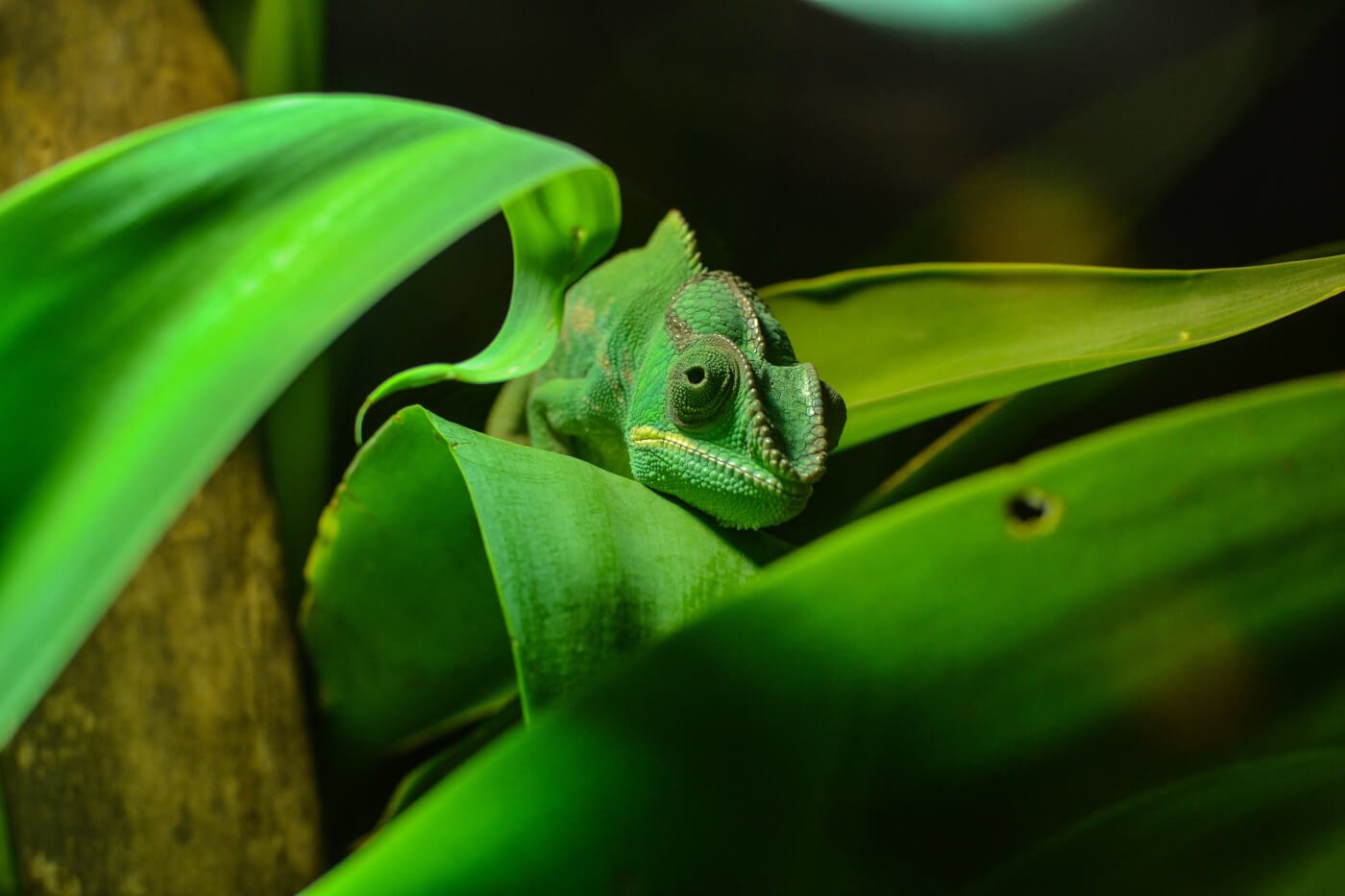
PETA’s uncompromising, unwavering views may be controversial, but they are always true to our driving mission: to stop animal abuse worldwide.
PETA is a nonprofit, tax-exempt 501(c)(3) corporation funded almost exclusively by the contributions of our members.
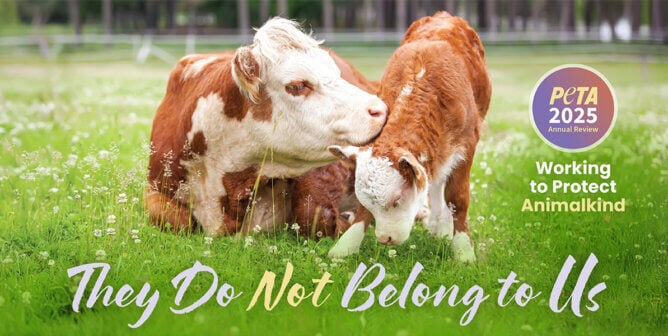
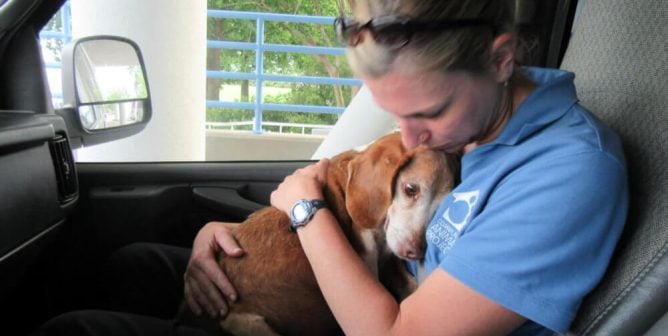
Wherever animals are in need, PETA is there, giving a strong voice to those who can’t speak for themselves.

When an animal is in need, Community Animal Project fieldworkers do everything in their power to help. Learn more about their groundbreaking work near our Norfolk, Virginia, headquarters.
You Can Help Animals Too
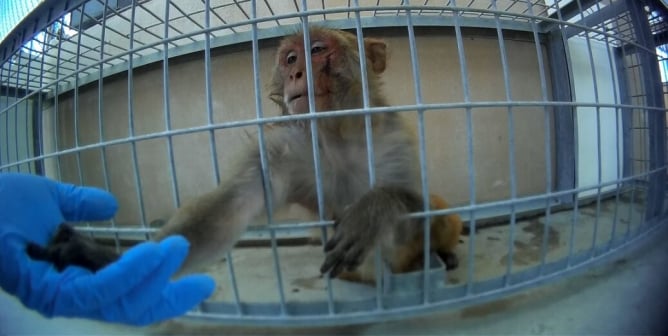
PETA and the PETA Foundation are looking for smart, compassionate, hardworking people to join our teams, and you might be a great match!
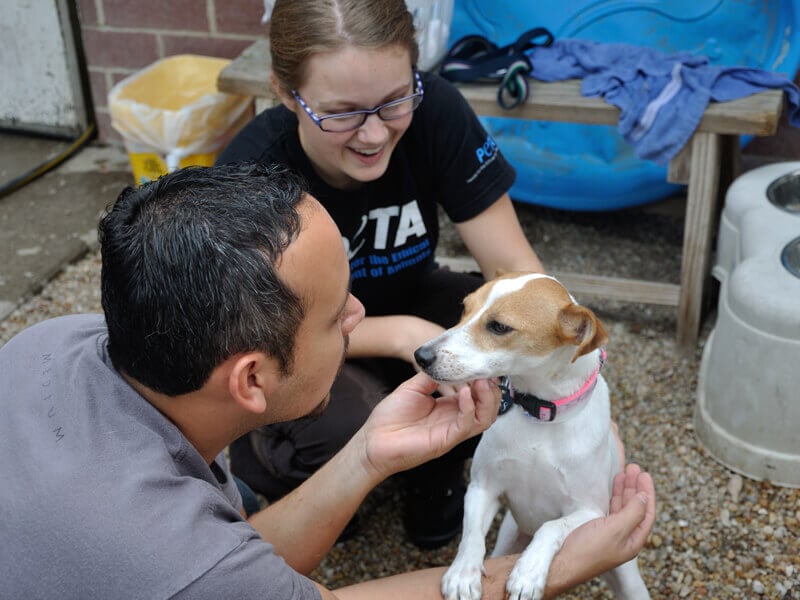
PETA provides a variety of opportunities at headquarters for those in the Hampton Roads area who are interested in volunteering for animals.

Interning at PETA is an exciting and demanding opportunity – learn all you need to become an advocate for animal rights and apply today!